



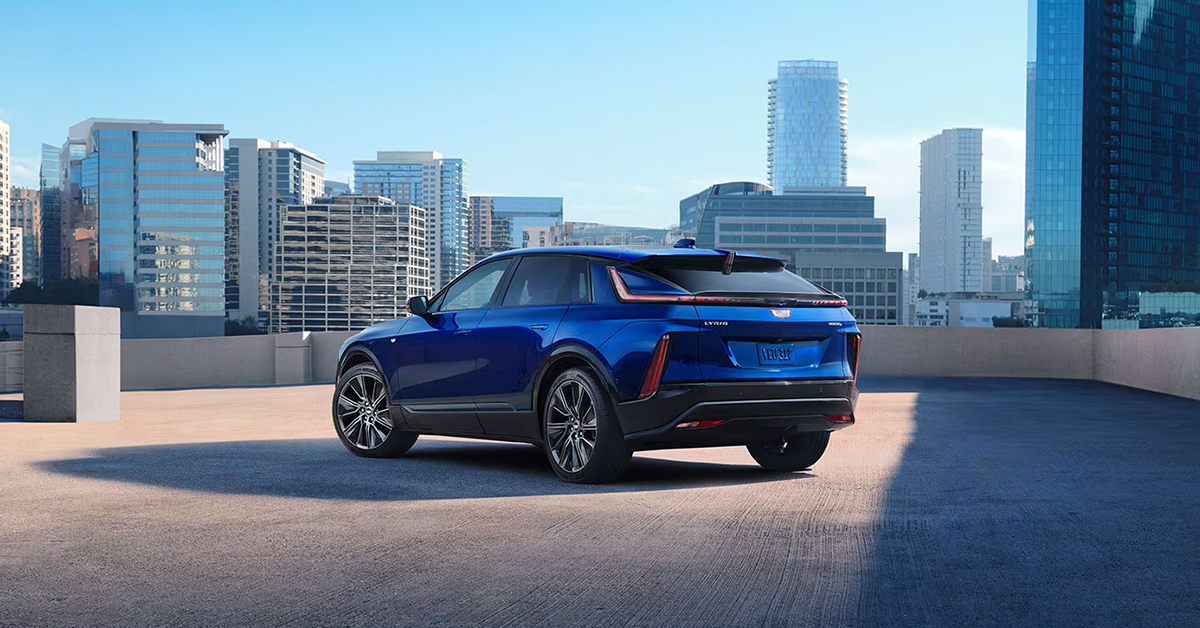
Choosing between the Tesla Model 3 and the Cadillac Lyriq in 2026 comes down to understanding both their drawbacks and their strengths. The Model 3’s minimalist interior, sedan-sized space, and feature paywalls can feel limiting for shoppers seeking comfort and premium refinement, while the Lyriq’s larger footprint, advanced technology, and luxury-focused design introduce considerations around size and price. Comparing these downsides side by side helps clarify which electric vehicle better aligns with daily driving needs, long-term ownership expectations, and luxury priorities.
At Crestview Cadillac, our team is here to help you navigate every step of your vehicle journey with confidence. From exploring a Cadillac Lyriq for sale to expert service, genuine parts, and personalized support, we are committed to meeting all your automotive needs. Contact Crestview Cadillac today or call us to learn more and experience the difference our dealership brings to your EV shopping experience.
How Do the Core Downsides Compare Between the Tesla Model 3 and Cadillac Lyriq?
When comparing the downsides of the Tesla Model 3 to the Cadillac Lyriq, the contrast begins with purpose. The Model 3 is engineered as a compact electric sedan that prioritizes efficiency and a stripped-down driving experience, while the Lyriq is built as a luxury electric SUV with comfort, space, and refinement at the forefront. Those different goals shape where each vehicle makes compromises, and which trade-offs drivers will notice most.
The Tesla Model 3 tends to fall short for shoppers who expect a traditional luxury feel. Nearly all controls are routed through a central touchscreen, which can feel unintuitive during daily driving. The lower seating position and tighter rear space also limit long-ride comfort and cargo flexibility, especially for households that carry passengers, luggage, or equipment on a regular basis. These downsides may not be obvious on a short test drive, but can stand out over time.
The Lyriq approaches its compromises differently. Its larger size can feel less nimble in tight parking situations, and its premium positioning places it above entry-level EV pricing. In return, drivers gain a quieter cabin, a more elevated driving position, and a layout that feels intentionally designed for comfort rather than minimalism. For many luxury-focused buyers, those trade-offs feel more practical in everyday use.
At a glance, the key differences in drawbacks tend to fall into a few areas:
- Interior usability – The Model 3’s minimalist design reduces physical controls, while the Lyriq emphasizes intuitive technology and a more traditional luxury layout.
- Passenger and cargo space – A sedan profile limits versatility in the Model 3, whereas the Lyriq offers the flexibility expected from a premium electric SUV.
- Ride quality and comfort – Firmer suspension tuning is more noticeable in the Model 3, while the Lyriq favors smoothness and cabin isolation.
For drivers weighing these two EVs, the decision often comes down to how much comfort, space, and refinement matter in everyday driving. Exploring the Lyriq in person can help clarify whether its approach to luxury and usability better aligns with your expectations, and a visit to Crestview Cadillac offers the opportunity to experience that difference firsthand.
Where Does the Tesla Model 3 Fall Short in Overall Luxury and Presence?
Luxury is often felt before it is measured, and this is where the Tesla Model 3 can leave some drivers wanting more. From the moment you approach it, the compact sedan profile blends into traffic rather than standing out. For shoppers who associate luxury with presence, craftsmanship, and a sense of arrival, the Model 3 can feel more functional than special.
Inside the cabin, the design continues that theme. The minimalist layout removes most traditional touchpoints that drivers expect in a premium vehicle. While the simplicity appeals to some, others miss the richness that comes from layered materials, ambient lighting, and thoughtful details. The experience can feel sparse rather than refined, especially on longer drives where comfort and atmosphere matter more.
Common luxury-related drawbacks drivers notice include:
- Interior materials – Surfaces are clean and modern but lack the depth and visual warmth typically associated with high-end vehicles.
- Design presence – The exterior styling is subtle and aerodynamic, which can make it feel understated compared to more sculpted luxury EVs.
- Cabin ambiance – Limited customization and lighting options make the interior feel less personalized over time.
By comparison, stepping into a Cadillac Lyriq immediately changes the tone. The elevated seating position, expansive display, and refined finishes create a stronger sense of occasion, even during routine drives. Its size and design convey confidence, making it feel equally at home pulling into a restaurant valet or a residential driveway after a long day.
For drivers seeking a vehicle that delivers more than efficiency and technology, exploring a Cadillac Lyriq for sale can highlight what the Model 3 leaves behind. Visiting Crestview Cadillac allows you to experience that difference firsthand, from the craftsmanship of the interior to the commanding presence that defines a true luxury electric SUV.
What Interior Design Trade-Offs Might Turn Buyers Away From the Model 3?
The Tesla Model 3 is celebrated for its minimalist interior, but that simplicity comes with trade-offs that can be a dealbreaker for some drivers. The focus on a single central touchscreen means there are very few physical controls for common functions like climate, audio, and turn signals. While tech enthusiasts may appreciate the sleek look, many drivers find themselves fumbling through menus while on the move, which can feel distracting or unintuitive.
Other Model 3 drawbacks in 2026 in interior design include:
- Limited tactile controls – Most functions rely on touch input, leaving no physical buttons for quick adjustments.
- Rear passenger comfort – The back seats have less headroom and legroom than larger EVs, which can feel cramped for adults or taller passengers.
- Storage and practicality – While the sedan offers a front trunk and rear cargo space, the compartments are smaller and less versatile compared to SUV layouts.
By contrast, the Lyriq’s interior takes a more traditional luxury approach while still embracing advanced technology. Its 33-inch curved LED display feels integrated rather than overwhelming, and physical details like ambient lighting, premium materials, and adjustable seating enhance both comfort and usability. Rear passengers benefit from generous legroom, and the larger cargo area makes day trips, sports gear, or family errands much easier to handle.
For drivers who value a refined, functional, and technology-forward interior without sacrificing comfort, the Lyriq offers a more balanced experience. Experiencing the difference firsthand at Crestview Cadillac can make the advantages of a luxury electric SUV clear, allowing you to see why some buyers move away from the Model 3 in favor of a vehicle built for everyday comfort and sophistication.
How Does Ride Comfort and Noise Isolation Differ Between These EVs?
When it comes to daily driving, ride comfort and noise isolation can make a big difference in how enjoyable your time behind the wheel feels. In a Model 3 vs Lyriq EV comparison, the differences are noticeable from the first turn of the key. The Tesla Model 3 has a sportier, firmer suspension that emphasizes handling and road feedback. While this can be engaging on twisty roads, it also means that bumps, potholes, and uneven pavement are felt more sharply inside the cabin.
Noise isolation is another area where the Model 3 shows its minimalist focus. Wind and road noise are more present at highway speeds, and the cabin can feel less insulated compared to larger, more luxury-oriented EVs. For drivers who spend a lot of time commuting or enjoy long road trips, this can start to affect comfort over time.
By contrast, the Lyriq prioritizes a smoother, quieter ride. Features like active noise cancellation, well-tuned suspension, and a more substantial chassis help absorb road imperfections while keeping cabin noise to a minimum. Passengers in the back seat also enjoy a calmer, more serene environment, making long drives feel effortless.
Key differences in ride comfort and isolation include:
- Suspension and handling – The Model 3 favors firm, responsive handling, while the Lyriq focuses on smooth, controlled motion.
- Cabin quietness – Wind, tire, and road noise are more noticeable in the Model 3, whereas the Lyriq benefits from sound-dampening materials and active noise control.
- Passenger experience – Back-seat occupants in the Lyriq enjoy more consistent comfort and reduced fatigue on longer trips.
For drivers who value a serene and comfortable driving experience without sacrificing performance, the Lyriq stands out. Visiting Crestview Cadillac to test drive the Lyriq allows you to feel firsthand how ride comfort and noise isolation elevate everyday driving beyond what the Model 3 offers.
Are Range and Charging Convenience a Weak Spot for the Model 3?
One of the most practical concerns for electric vehicle drivers is range and charging accessibility, and this is where the Tesla Model 3 can reveal some limitations. While the Model 3 offers competitive EPA-estimated range, real-world conditions like highway driving, heavy use of climate controls, and high-speed acceleration can reduce its efficiency. For drivers who regularly commute longer distances or plan weekend trips, this can require more frequent charging stops than expected.
Charging convenience also varies depending on location. Tesla’s Supercharger network is extensive, but availability can be unpredictable during peak travel times. Relying solely on public charging may mean waiting for an open station or adjusting your route to accommodate charging needs. This is a key consideration in any Tesla Model 3 downsides vs Cadillac Lyriq discussion.
In comparison, the Lyriq provides a more flexible approach to charging and range. With an EPA-estimated 326 miles on a single charge for the standard rear-wheel-drive model, it covers most daily driving needs with room to spare. Fast-charging capabilities also allow up to 86 miles of range in roughly 10 minutes, giving drivers more confidence for longer trips and reducing downtime.
Key points to consider in range and charging differences include:
- Real-world range – Model 3 efficiency varies under load, while the Lyriq maintains strong range across typical driving conditions.
- Charging infrastructure – Tesla relies heavily on Superchargers, whereas the Lyriq supports a growing network of public fast chargers along with convenient home charging options.
- Daily practicality – Longer trips and spontaneous travel feel less restricted in the Lyriq thanks to its larger battery and quicker charging times.
For drivers who want peace of mind knowing that range and charging won’t limit their plans, exploring the Lyriq at Crestview Cadillac can highlight the advantages in convenience and capability. Experiencing the Lyriq firsthand helps illustrate why many drivers see it as a more practical choice for daily driving and weekend adventures.
What Are the Limitations of Tesla’s Driver Assistance Features in 2026?
Tesla’s driver assistance systems have made headlines for their advanced technology, but they come with limitations that drivers should understand. Features like Autopilot and Full Self-Driving (Supervised) provide a higher level of assistance than traditional cruise control, yet they require constant driver attention. Many drivers assume these systems operate autonomously, but real-world use still demands vigilance, especially in complex traffic situations or poorly marked roads.
Some of the notable limitations of Tesla’s driver assistance include:
- Hands-on requirement – Even with Full Self-Driving enabled, drivers must keep their hands on the wheel and remain engaged at all times.
- Feature variability – Certain functions, like automatic lane changes or smart summon, may not perform consistently depending on road conditions and software updates.
- Learning curve – The system’s reliance on camera-based sensors rather than radar can affect performance in adverse weather, requiring drivers to adapt their expectations.
By contrast, the Lyriq approaches hands-free driving differently. Its Super Cruise technology provides true hands-free driving on compatible roads, with seamless lane-keeping, adaptive speed, and driver attention monitoring that enhances safety without creating confusion. The system feels intuitive and gives drivers more confidence during long drives or heavy traffic situations.
For shoppers evaluating electric vehicles, seeing the Lyriq in action highlights how driver assistance can be both advanced and reliable. Visiting Crestview Cadillac to explore a Cadillac Lyriq for sale allows you to experience the difference firsthand and understand why some drivers prefer a system designed for clarity, ease of use, and consistent performance.
How Does Cargo Space and Practicality Compare for Everyday Use?
For many drivers, cargo space and everyday practicality are as important as performance and technology. In a Model 3 drawbacks 2026 comparison, the compact sedan layout can feel restrictive. While the Model 3 offers a front trunk and rear cargo area, both compartments are smaller than what many drivers need for regular errands, weekend getaways, or transporting sports equipment. The lower ride height can also make loading bulky items more awkward.
The Lyriq takes a different approach, embracing the benefits of an electric SUV. Its larger interior and flexible cargo layout provide more space for passengers and gear. Rear seats fold flat to create a generous cargo area, and the higher ride height makes loading and unloading easier, whether it’s groceries, luggage, or recreational equipment.
Key differences in practicality include:
- Cargo volume – The Model 3’s trunk space is limited, whereas the Lyriq offers an SUV-sized cargo area that adapts to different needs.
- Passenger versatility – Taller passengers may feel cramped in the rear of the Model 3, while the Lyriq provides ample legroom and headroom for adults.
- Everyday usability – Features like hands-free liftgates, wide-opening doors, and flat-folding rear seats make the Lyriq more convenient for family use and daily activities.
For drivers who need a vehicle that balances electric performance with practical versatility, the Lyriq delivers a more accommodating experience. Visiting Crestview Cadillac to explore a Lyriq firsthand allows you to see how its design supports everyday life while maintaining a luxury feel, giving a clear perspective on what compact sedans like the Model 3 may leave behind.
Does the Tesla Model 3 Feel Less Versatile for Long-Term Ownership?
When considering electric vehicles for long-term use, versatility goes beyond initial performance or style. In a Model 3 vs Lyriq EV comparison, the Model 3 can feel limited over time due to its compact dimensions, minimalist interior, and smaller cargo capacity. For drivers planning to keep a vehicle for several years, these trade-offs may become more noticeable, especially as lifestyle needs evolve.
The Model 3’s cabin and trunk space are sufficient for daily commuting or short trips, but larger families, frequent travelers, or those who carry sports gear or bulky items may find themselves constrained. Over the years, adding aftermarket storage solutions or adjusting driving habits can help, but these workarounds may not match the natural flexibility of a larger vehicle.
In contrast, the Lyriq’s design supports a wider range of long-term needs:
- Passenger adaptability – Spacious rear seating and higher rooflines accommodate growing families or adult passengers with ease.
- Cargo flexibility – Fold-flat rear seats and generous storage options make weekend trips, grocery runs, or even moving small furniture much simpler.
- Comfort over time – Advanced suspension and sound insulation help maintain a relaxing ride, even as mileage and driving conditions accumulate.
For drivers who want an EV that adapts to changing lifestyle demands without compromise, the Lyriq offers a compelling option. Visiting Crestview Cadillac to experience the Lyriq firsthand makes it easy to see how its versatility and comfort support long-term ownership, highlighting practical benefits that a compact sedan may not provide over the years.
How Do Pricing Structures and Feature Packaging Affect Value Perception?
When evaluating electric vehicles, price alone doesn’t tell the full story. In a Tesla Model 3 downsides vs Cadillac Lyriq comparison, the way features are packaged and priced can significantly influence how drivers perceive value. The Model 3 starts at a relatively affordable entry point, but many advanced features, such as Full Self-Driving, premium audio, and enhanced interior options, come as expensive add-ons. This can make the total cost higher than initially expected and leave buyers questioning the overall value for a vehicle that already has trade-offs in space and comfort.
The Lyriq approaches pricing differently, offering trims that bundle premium technology, luxury materials, and convenience features more comprehensively. Buyers gain confidence knowing that essential amenities and advanced driver assistance systems are included rather than sold separately. While the starting price is higher, many drivers find that the all-in-one approach provides clearer value over time.
Key points in comparing value perception include:
- Transparency of features – The Model 3 often requires optional upgrades to unlock a full suite of technology, while the Lyriq includes advanced systems and comfort features in standard or well-defined trim levels.
- Cost versus experience – The base Model 3 may seem affordable, but adding must-have options can approach or exceed the price of a fully equipped Lyriq, which already delivers luxury, range, and versatility.
- Long-term ownership satisfaction – Comprehensive features and thoughtful packaging in the Lyriq reduce the need for aftermarket additions and enhance the sense of value over the life of the vehicle.
For drivers looking for an electric vehicle that balances cost, features, and luxury in a single package, experiencing a Lyriq at Crestview Cadillac provides clarity. Seeing the thoughtfully equipped trims in person demonstrates why many buyers feel they receive more value and peace of mind compared to adding numerous options to a compact sedan.
Which EV Better Matches the Expectations of Luxury-Focused Buyers in 2026?
For buyers who prioritize luxury, the choice of an electric vehicle goes beyond range or acceleration. In this segment, attention to comfort, craftsmanship, technology, and overall presence defines the experience. While the Tesla Model 3 offers cutting-edge tech and efficiency, it may feel minimalistic and utilitarian compared to vehicles designed specifically with luxury in mind.
The Lyriq, on the other hand, delivers a package that aligns closely with traditional luxury expectations. From the 33-inch curved LED display and premium cabin materials to hands-free driver assistance and smooth ride quality, every detail is designed to create a sense of refinement. Passengers benefit from spacious seating, ambient lighting, and thoughtful interior touches that make each drive feel intentional and composed.
Key factors that luxury-focused buyers tend to value include:
- Interior design and materials – The Lyriq emphasizes craftsmanship and attention to detail, while the Model 3’s minimalist cabin can feel stark to some.
- Technology and convenience – Integrated infotainment, driver assistance, and ambient features in the Lyriq create a cohesive experience that enhances usability and comfort.
- Presence and refinement – The Lyriq’s design, ride quality, and cabin quietness convey a sense of prestige that resonates with drivers seeking a true luxury feel.
For anyone seeking an electric vehicle that meets high standards of luxury and usability, exploring a Cadillac Lyriq for sale at Crestview Cadillac is a great first step. Experiencing its combination of design, technology, and comfort firsthand demonstrates why it often appeals more strongly to buyers who want a full luxury experience without compromise.
Frequently Asked Questions: Tesla Model 3 vs Cadillac Lyriq for Luxury EV Buyers
Shoppers comparing electric vehicles often want quick, honest answers to common concerns before moving forward. These frequently asked questions address ownership challenges, comfort, and long-term value to help clarify how these two EVs differ in everyday use.
What are the most significant downsides of the Tesla Model 3 when compared to the Cadillac Lyriq?
The Model 3 leans heavily into minimalism, which can feel sparse for buyers expecting a true luxury experience. Interior materials are simpler, ride quality is firmer, cabin noise is more noticeable, and cargo space is limited. The Lyriq delivers a more upscale cabin, smoother ride, and added comfort features that come standard rather than as paid upgrades.
How might range, charging access, and dealer support make Model 3 ownership harder than Lyriq ownership?
While the Model 3 offers a competitive range on paper, real-world driving can reduce it more quickly, especially in stop-and-go traffic or highway use. Charging access may also vary depending on location. The Lyriq pairs strong range estimates with broad charging compatibility and the added convenience of in-person dealer support for questions, service, and ownership guidance.
What reliability or service-network disadvantages could Model 3 buyers face versus Lyriq buyers?
Tesla’s service network is more limited, which can result in longer wait times or extended travel for repairs. Cadillac benefits from a nationwide dealership network with established service departments, giving Lyriq owners easier access to maintenance and warranty support.
For buyers needing family practicality, what limitations of the Model 3 are most important?
Rear-seat space is tighter, trunk capacity is smaller, and the lower ride height can make entry, exit, and loading more difficult. The Lyriq’s SUV design offers more passenger room, better cargo flexibility, and a higher seating position that suits family and daily driving needs.
Are there regulatory or software update concerns unique to Tesla that affect Model 3 buyers more than Lyriq owners?
Tesla relies heavily on over-the-air software updates and subscription-based features, which can limit access or functionality over time. Cadillac provides updates and feature support through a traditional dealer-backed system, offering a more predictable ownership experience.
Explore Your Next Electric Vehicle With Crestview Cadillac
Choosing the right EV goes beyond numbers on a spec sheet. Comfort, long-term ownership costs, service access, and everyday usability all matter when weighing luxury-focused electric vehicles. Having clear comparisons and local guidance helps turn research into confident decisions.
At Crestview Cadillac, drivers from Azusa, Glendora, Duarte, and San Dimas can explore a wide selection of vehicles, including the Lyriq, while getting straightforward answers about ownership expectations in 2026. Seeing the vehicle in person often highlights details that online research alone cannot, especially when luxury, space, and ride quality are priorities.
If you are continuing your research, you may also find value in reviewing other Cadillac-focused EV comparisons, including insights on Tesla Model S vs Escalade IQ, Tesla Model X vs Escalade, and Lyriq Sport vs Kia EV6. Each comparison highlights different ownership considerations that can help narrow down what truly fits your lifestyle. When you are ready to take the next step, Crestview Cadillac makes it easy to keep exploring online or speak directly with our team. Browse our inventory, learn more about the Lyriq, or contact us for personalized guidance and discover an electric vehicle experience built around luxury, confidence, and long-term satisfaction.
Get Directions to Crestview Cadillac
Disclaimer: All information is provided for general informational and entertainment purposes only. While we strive for accuracy, we cannot guarantee that all content is complete, current, or error-free. Any reliance you place on such information is strictly at your own risk. This article may include opinions and is not endorsed by, or officially affiliated with, any vehicle manufacturer or brand. Always consult official sources – such as the vehicle’s owner’s manual, authorized dealerships, or certified professionals – for the most up-to-date and personalized information.
Connect with us


- May 2026
- April 2026
- March 2026
- February 2026
- January 2026
- December 2025
- November 2025
- October 2025
- September 2025
- August 2025
- July 2025
- June 2025
- May 2025
- April 2025
- March 2025
- February 2025
- November 2024
- October 2024
- September 2024
- August 2024
- July 2024
- June 2024
- May 2024
- April 2024
- March 2024
- February 2024
- January 2024
- December 2023
- November 2023
- October 2023
Archives
Categories