



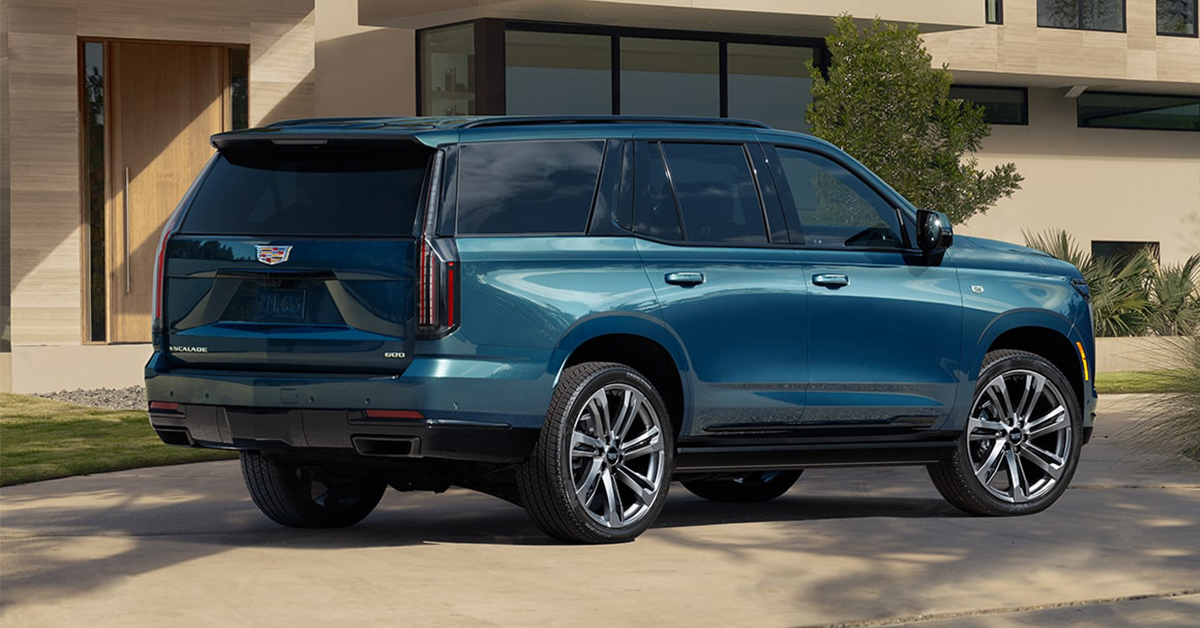
When comparing the Tesla Model 3 and the Cadillac Escalade, the differences go beyond electric versus gasoline power. The Model 3 offers a sleek, efficient EV experience but comes with range limitations, minimal cargo space, and reliance on Full Self-Driving features that require constant attention. The Escalade, on the other hand, delivers commanding size, spacious seating, advanced safety features, and luxury comfort, making it a practical choice for families or drivers seeking versatility. Understanding these trade-offs helps buyers weigh Model 3 downsides versus the benefits of a full-size SUV.
Crestview Cadillac is dedicated to helping drivers in Azusa, Glendora, Duarte, and San Dimas find the right vehicle for their lifestyle. From sales to service, parts, and everything in between, our team is here to make every automotive experience seamless. Contact us today or give us a call to learn more about our Cadillac Escalade for sale and see how we can assist with your next vehicle decision.
How Do Tesla Model 3 Downsides Compare to a Cadillac Escalade’s Strengths?
When looking at a Tesla Model 3 and a Cadillac Escalade side by side, the differences are clear from the moment you step inside. The Model 3 is a nimble, futuristic EV sedan with sleek lines, cutting-edge technology, and impressive acceleration. However, its compact size and limited cargo space highlight some of the trade-offs that come with choosing an electric vehicle over a full-size SUV. The Escalade, by comparison, offers room for up to eight passengers, a massive cargo area, and a commanding presence on the road that the Model 3 simply cannot match.
The comparison isn’t just about size or power; it’s about lifestyle and needs. Consider these key differences:
- Space and Comfort: The Escalade provides three rows of seating with ample legroom, while the Model 3 seats five adults in a tighter cabin. Families or drivers who regularly carry multiple passengers may find the Escalade’s spacious interior far more accommodating.
- Cargo Capacity: With up to 120 cubic feet of storage, the Escalade can handle road trips, sports equipment, or large shopping hauls with ease. The Model 3’s trunk and frunk total about 24 cubic feet, which works for daily commuting but can feel restrictive on longer trips.
- Technology in Action: Both vehicles offer advanced tech, but they use it differently. The Model 3 relies on a minimalist touchscreen interface and Full Self-Driving (Supervised) features, which still require constant driver attention. The Escalade combines luxury with practicality, featuring a curved 55-inch display, hands-free driver assistance, and passenger-focused entertainment options.
For drivers in Azusa, Glendora, Duarte, and San Dimas, these differences matter. If your day-to-day life involves hauling gear, navigating family trips, or simply enjoying a commanding ride, the Escalade’s advantages become clear. Understanding these contrasts is essential when evaluating Tesla Model 3 downsides versus Cadillac Escalade strengths, and our team at Crestview Cadillac is ready to help guide you through the options. Schedule a visit today to experience the Escalade firsthand and see how it fits your lifestyle.
What Are the Range and Charging Limitations of the Tesla Model 3 Compared to Fuel Refills in an Escalade?
One of the most noticeable differences between the Tesla Model 3 and a Cadillac Escalade is how each vehicle handles energy and refueling. The Model 3, as an electric vehicle, depends entirely on battery charge, which can range from about 320 to 430 miles depending on the model. While this is more than sufficient for daily commuting, longer trips require careful planning around charging stations. The Escalade, by contrast, runs on gasoline and can be refueled in minutes at widely available stations, offering more flexibility for spontaneous road trips.
For drivers in Azusa, Glendora, Duarte, and San Dimas, understanding these limitations can impact daily life and travel plans. Some practical considerations include:
- Charging Time vs. Fuel Stops: Even with Tesla’s Supercharging network, adding a full charge can take 30 to 60 minutes depending on battery size. A quick fuel stop for an Escalade takes just a few minutes, keeping travel time minimal.
- Range Anxiety: Drivers new to EVs often worry about running out of battery before reaching a charger. In contrast, gasoline-powered SUVs like the Escalade provide peace of mind with easy access to fuel and long driving ranges.
- Infrastructure Availability: While public charging stations are growing, they are still less common than gas stations. Local drivers may find that an Escalade allows for more convenient and predictable travel without planning routes around charging points.
Despite these differences, both vehicles have their strengths. The Model 3 excels in efficiency and lower long-term energy costs, while the Escalade provides reliability and convenience without the need for constant charging considerations. If you are looking for a vehicle that balances luxury, comfort, and practicality, exploring the Cadillac Escalade for sale at Crestview Cadillac allows you to see firsthand how a full-size SUV can meet your driving needs. Our team can help you understand which model fits your lifestyle, from urban commuting to weekend adventures.
How Does Interior Space and Comfort Differ Between the Two Vehicles?
When it comes to interior space and comfort, the differences between a Tesla Model 3 and a Cadillac Escalade are striking. The Model 3 offers a minimalist cabin with modern finishes and a high-tech 15-inch touchscreen, making it feel futuristic and efficient. However, its compact design limits rear-seat legroom and cargo space, which can be noticeable on longer drives or when traveling with family. The Escalade, in contrast, prioritizes luxury and space, providing a full-size SUV experience that accommodates multiple passengers and large amounts of cargo with ease.
Understanding these contrasts highlights some key Model 3 vs Escalade consumer trade-offs:
- Seating Capacity: The Model 3 comfortably seats five adults, while the Escalade offers three rows of seating for up to eight passengers. Families or groups frequently on the road will find the Escalade much more accommodating.
- Legroom and Comfort: The Escalade provides generous legroom in every row, along with adjustable, heated, and ventilated seats for maximum comfort. The Model 3’s rear seats are cozier, which can feel restrictive during longer commutes or road trips.
- Cargo and Storage: Between its trunk and front storage (frunk), the Model 3 offers about 24 cubic feet of cargo space. The Escalade delivers upwards of 120 cubic feet, making it ideal for luggage, sports equipment, or everyday errands.
- Technology and Amenities: While the Model 3 focuses on a central touchscreen and driver-centric controls, the Escalade balances technology with luxury for all passengers. Features such as rear entertainment displays, premium sound systems, and multiple USB charging ports ensure everyone travels in comfort.
For drivers in Azusa, Glendora, Duarte, and San Dimas, these interior differences can be a deciding factor. Choosing between the efficiency and sleek design of the Model 3 and the spacious luxury of the Escalade often comes down to lifestyle needs and priorities. Visiting Crestview Cadillac allows you to experience the full-size comfort of an Escalade firsthand, helping you make a choice that fits your family and daily routine.
Are Safety and Driver-Assist Features a Concern When Choosing Model 3 Over Escalade?
Safety is a critical factor when comparing a compact EV sedan to a full-size SUV, and it often shapes the decision for drivers in Azusa, Glendora, Duarte, and San Dimas. The Tesla Model 3 offers advanced safety features, including collision avoidance, automatic emergency braking, and optional Full Self-Driving capabilities. While these systems are impressive, they still require constant driver attention and may not provide the same confidence as a larger vehicle in every driving scenario.
By contrast, the Cadillac Escalade is designed to combine luxury with comprehensive safety and driver-assist technology. Its Super Cruise system allows hands-free driving on compatible highways, and features like adaptive cruise control, lane-keeping assist, and extensive airbags provide additional reassurance for all passengers. These differences illustrate common EV sedan vs full-size SUV concerns when evaluating which vehicle fits your needs:
- Driver Assistance: Tesla’s Full Self-Driving is a supervised system that helps with navigation and traffic but requires the driver to remain alert. Escalade’s hands-free Super Cruise allows for a more relaxed, confident driving experience on longer stretches of highway.
- Crash Protection: The Model 3 has a rigid passenger compartment and multiple airbags, performing exceptionally in crash tests for a sedan. The Escalade, with its larger frame and reinforced structure, offers greater protection in collisions involving bigger vehicles or roadside obstacles.
- Passenger Safety: Full-size SUVs like the Escalade often provide higher seating positions, giving drivers better visibility and a sense of control in busy traffic. EV sedans sit lower, which may impact sightlines in crowded urban streets.
Understanding these trade-offs helps drivers choose a vehicle that aligns with both daily driving and long-term safety priorities. For those who value advanced technology combined with the peace of mind that comes from a full-size SUV, exploring the Escalade at Crestview Cadillac provides an opportunity to experience its safety features firsthand and see how they enhance comfort and confidence behind the wheel.
How Do Performance and Driving Experience Trade-Offs Impact Daily Use?
Performance and driving experience can make a significant difference in everyday life, and understanding these trade-offs helps highlight Tesla Model 3 downsides versus Cadillac Escalade strengths. The Model 3 delivers impressive acceleration and a smooth, responsive ride typical of a sports sedan, making it ideal for city driving and short commutes. However, its lighter frame and lower seating position may not offer the same sense of control or comfort during long drives, highway cruising, or when navigating uneven terrain.
The Escalade offers a very different driving experience, designed for comfort, stability, and commanding road presence. Its full-size SUV design, adaptive suspension, and powerful engine make it easy to handle both city streets and long-distance trips. For many drivers in Azusa, Glendora, Duarte, and San Dimas, these differences influence which vehicle better suits daily routines. Key considerations include:
- Acceleration and Handling: The Model 3 accelerates quickly and feels nimble in traffic, but its lighter weight can make it more sensitive to road imperfections or strong winds. The Escalade trades some agility for a smoother, more planted ride, especially with available Air Ride Adaptive Suspension.
- Driving Comfort: The Escalade’s elevated seating provides excellent visibility and less strain on long drives, while the Model 3’s sportier, lower cabin can feel tighter on extended trips.
- Cargo and Load Management: Daily tasks, like grocery runs, carrying sports gear, or transporting luggage, are easier in the Escalade due to its spacious interior and towing capabilities.
- Noise and Ride Quality: The Escalade’s cabin is engineered to reduce road and wind noise, creating a quiet, luxurious environment. The Model 3 has a minimalist interior that emphasizes technology but can transmit more road sounds during longer drives.
Ultimately, the choice comes down to lifestyle and priorities. Drivers who want an energetic, high-tech EV experience may lean toward the Model 3, while those who value comfort, space, and versatility will see the Escalade as a more practical daily driver. Visiting Crestview Cadillac allows you to test drive an Escalade and experience firsthand how its performance and comfort suit both city commutes and weekend adventures.
What Are the Cost and Maintenance Considerations Between Model 3 and Escalade?
Cost and maintenance play a major role when deciding between a Tesla Model 3 and a Cadillac Escalade. While electric vehicles often promise lower fuel costs and fewer moving parts, the Model 3 can come with higher upfront pricing, potential battery replacement considerations, and reliance on specialized service centers. The Escalade, though a full-size luxury SUV with a higher initial price, provides predictable maintenance schedules, widely available service options, and the durability expected from a long-standing luxury brand.
For drivers in Azusa, Glendora, Duarte, and San Dimas, it’s helpful to break down some of the main cost and upkeep differences:
- Upfront Pricing: The Model 3 is marketed as an affordable EV compared to other luxury electric sedans, but high-performance variants can approach the price of a fully equipped Escalade. Considering options, upgrades, and long-term utility, buyers often weigh value versus features.
- Fuel and Energy Costs: Charging a Model 3 is generally less expensive than filling a tank with gasoline, especially for city commuting. The Escalade’s gasoline engine requires regular refueling, but fuel stations are widely accessible, making travel planning simpler.
- Maintenance and Repairs: Electric vehicles have fewer mechanical components, which can reduce certain maintenance tasks. However, battery health, software updates, and limited service centers may add complexity. The Escalade benefits from a network of dealerships and service centers that handle routine maintenance and luxury-specific repairs efficiently.
- Resale Value and Longevity: The Escalade’s long-standing reputation for durability and desirability helps maintain its value over time. While Tesla vehicles are sought after, fluctuations in EV technology and battery life can impact long-term resale expectations.
For those evaluating a luxury SUV that balances cost, convenience, and reliability, viewing a Cadillac Escalade for sale at Crestview Cadillac is a practical first step. Our team can walk you through pricing, maintenance plans, and financing options, helping you make a confident, informed decision for both daily driving and long-term ownership.
How Does Usability and Lifestyle Fit Differ Between the Two Vehicles?
Choosing the right vehicle often comes down to how it fits your lifestyle, and comparing a Tesla Model 3 with a Cadillac Escalade highlights key practical differences. The Model 3 excels in city driving, easy parking, and efficiency, but its compact size and limited cargo space can pose challenges for families, weekend adventures, or hauling large items. The Escalade, by contrast, is designed for versatility, comfort, and functionality, making it easier to accommodate a wide range of daily and recreational needs.
When considering Model 3 vs Escalade consumer trade-offs, some important lifestyle factors include:
- Family and Passenger Needs: The Escalade’s three-row seating and ample legroom make it ideal for families or carpooling. The Model 3 seats five adults comfortably, but space can feel tight on longer trips.
- Cargo and Storage: Large shopping runs, sports gear, or luggage for a road trip are easier to manage in the Escalade, which provides extensive cargo space and flexible storage options.
- Urban vs. Suburban Use: The Model 3’s compact size and agility make it convenient for city streets, tight parking, and quick commutes. The Escalade performs well in suburban and highway driving, offering a smoother ride and higher visibility.
- Lifestyle Compatibility: Drivers who prioritize luxury, technology, and entertainment for passengers may prefer the Escalade’s rear-seat amenities, panoramic roof, and premium audio systems. Those who favor efficiency, sustainability, and sleek design may lean toward the Model 3.
For residents in Azusa, Glendora, Duarte, and San Dimas, understanding these usability differences helps match a vehicle to real-world needs. Experiencing the Escalade firsthand at Crestview Cadillac allows you to see how a full-size SUV adapts to everyday life while providing space, comfort, and flexibility for family and personal routines. Our team is available to help you evaluate which model aligns with your lifestyle priorities and driving habits.
How Should Buyers Weigh Tesla Model 3 Downsides vs Cadillac Escalade Benefits in 2026?
Choosing between a Tesla Model 3 and a Cadillac Escalade comes down to understanding your priorities and lifestyle. For drivers focused on efficiency, technology, and a compact, city-friendly vehicle, the Model 3 has a lot to offer. However, the practical limitations of a smaller EV sedan—like limited cargo space, range considerations, and tighter rear seating—highlight common EV sedan vs full-size SUV concerns for those who need versatility, space, and comfort.
When weighing the trade-offs, consider these key points:
- Daily Driving Needs: If most of your driving is local, commuting, or city-based, the Model 3 may provide the efficiency and agility you want. For longer drives, frequent passenger trips, or cargo-heavy tasks, the Escalade’s full-size design adds convenience and peace of mind.
- Family and Lifestyle Fit: Families, outdoor enthusiasts, or anyone needing extra seating and storage will benefit from the Escalade’s flexible interior and larger cabin. The Model 3 is ideal for smaller households or individuals who prioritize style and technology over space.
- Maintenance and Convenience: EVs like the Model 3 have lower routine maintenance costs but require charging infrastructure. Full-size SUVs like the Escalade offer predictable service schedules and easy access to fuel, making them simpler for daily use in most suburban and urban settings.
- Luxury and Comfort: The Escalade elevates the driving experience with premium materials, advanced driver-assist features, and rear-seat amenities, making long trips more enjoyable for all occupants.
For drivers in Azusa, Glendora, Duarte, and San Dimas, the decision is ultimately about matching a vehicle to real-life needs rather than features alone. Experiencing the Escalade firsthand at Crestview Cadillac allows you to see how its benefits complement daily life, whether for commuting, family travel, or weekend adventures. Our team is ready to help you explore your options, compare features, and find the right vehicle to fit your lifestyle and driving preferences.
Frequently Asked Questions About Downsides of a Tesla Model 3 vs Cadillac Escalade [2026]
When comparing a Tesla Model 3 with a Cadillac Escalade, drivers often have specific questions about practicality, daily usability, and long-term ownership. Understanding these points helps families, commuters, and active drivers make an informed choice.
How does the smaller/cheaper Model 3 (compared with larger crossovers) create practical downsides against a full-size Escalade for families?
The Model 3’s compact size limits rear-seat space and overall cabin room, making it less suitable for larger families. In contrast, the Escalade provides three rows of seating for up to eight passengers, giving families more comfort and flexibility.
What cargo, towing, and passenger limitations make the Model 3 a poor substitute for an Escalade?
The Model 3 has about 24 cubic feet of cargo space, no significant towing capacity, and only seats five adults, whereas the Escalade offers over 120 cubic feet of cargo space, can tow up to 8,100 pounds, and comfortably accommodates up to eight passengers.
How do charging logistics and travel planning compare unfavorably for Model 3 buyers versus Escalade owners?
The Model 3 requires access to charging stations, with travel planning dependent on charger availability and charging times. The Escalade’s gasoline engine allows for quick refueling at any gas station, providing more convenience and flexibility for road trips or long-distance travel.
Are there cost or insurance considerations that make Model 3 ownership less practical than an Escalade?
While EVs like the Model 3 can save on fuel and some maintenance, high-performance trims and battery replacements may increase overall costs. Insurance for electric vehicles can also be higher due to repair complexity, whereas the Escalade benefits from predictable maintenance and widely available service, helping manage long-term ownership expenses.
Which scenarios (road trips, towing, large families) highlight the Model 3’s major downsides?
Extended road trips, towing trailers, transporting large groups, or carrying bulky cargo highlight the Model 3’s limitations. The Escalade excels in these scenarios with ample space, towing capability, and comfort for all passengers.
Explore Your Options at Crestview Cadillac
For drivers in Azusa, Glendora, Duarte, and San Dimas, understanding the differences between compact EVs and full-size luxury SUVs helps guide smarter vehicle choices. If you’re seeking space, comfort, and versatility for family trips, commuting, or weekend adventures, the Escalade offers a combination of luxury and practicality that few vehicles can match.
Our dealership provides a wide selection of Escalade models and other premium vehicles designed to meet your driving needs. Whether you’re interested in towing capacity, interior comfort, or advanced technology, our team is here to help you compare features, evaluate options, and find the right vehicle for your lifestyle.
For those curious about other electric and luxury SUVs, you might find it useful to read about the Tesla Model X vs Escalade, Tesla Model S vs Escalade IQ, or Cadillac LYRIQ vs Kia EV6 to see how different models fit varying needs. These resources can help you make a confident choice when weighing performance, practicality, and comfort.
Visit Crestview Cadillac today to test drive an Escalade or any of our premium vehicles. Our team is ready to answer questions, provide detailed information, and assist with financing or trade-ins, making your car-buying experience smooth and personalized.
Get Directions to Crestview Cadillac
Disclaimer: All information is provided for general informational and entertainment purposes only. While we strive for accuracy, we cannot guarantee that all content is complete, current, or error-free. Any reliance you place on such information is strictly at your own risk. This article may include opinions and is not endorsed by, or officially affiliated with, any vehicle manufacturer or brand. Always consult official sources – such as the vehicle’s owner’s manual, authorized dealerships, or certified professionals – for the most up-to-date and personalized information.
Connect with us


- May 2026
- April 2026
- March 2026
- February 2026
- January 2026
- December 2025
- November 2025
- October 2025
- September 2025
- August 2025
- July 2025
- June 2025
- May 2025
- April 2025
- March 2025
- February 2025
- November 2024
- October 2024
- September 2024
- August 2024
- July 2024
- June 2024
- May 2024
- April 2024
- March 2024
- February 2024
- January 2024
- December 2023
- November 2023
- October 2023
Archives
Categories