



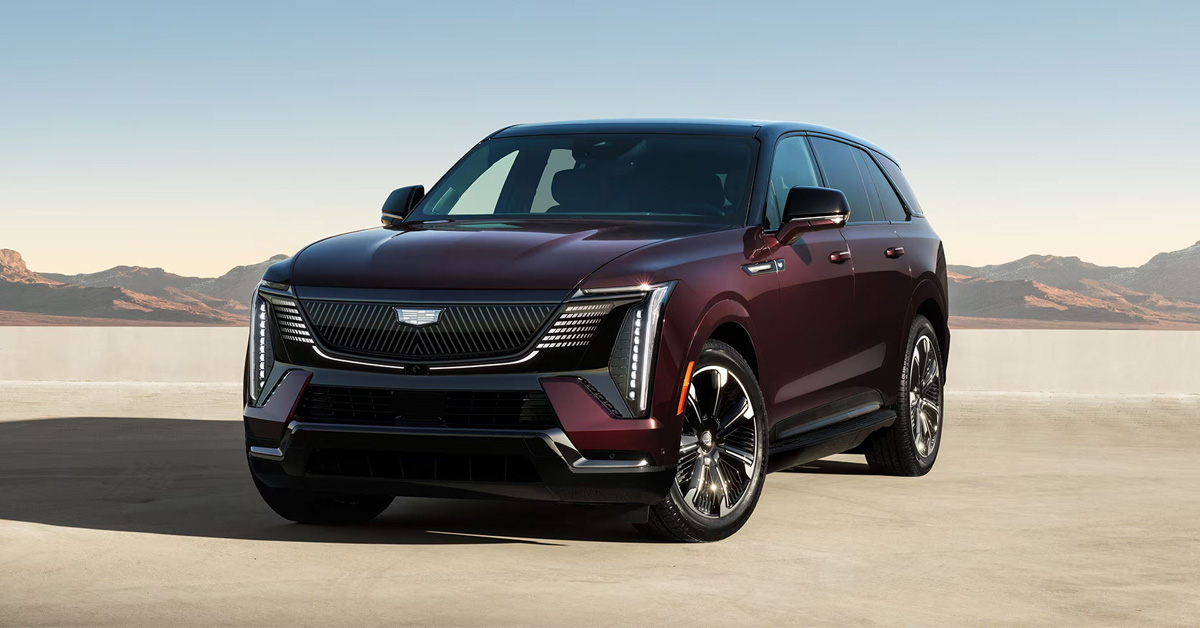
The downsides of a Tesla Model 3 compared to the Cadillac Escalade IQ become clear when size, luxury, and real-world practicality are put side by side. While the Model 3 delivers efficiency and simplicity, it falls short in interior space, ride comfort, charging flexibility, and premium features that many shoppers expect in a flagship electric vehicle. The Escalade IQ stands apart as a full-size, all-electric luxury SUV built to handle families, long drives, and elevated expectations with ease.
At Crestview Cadillac, we are here to help you explore what the Cadillac Escalade IQ can offer and determine whether it fits your lifestyle better than a compact electric sedan. Our team proudly supports drivers with everything from new vehicle sales to certified service, genuine parts, and expert guidance every step of the way. Contact Crestview Cadillac today or give us a call to learn more and take the next step toward your next electric luxury vehicle.
What Are the Biggest Downsides of the Tesla Model 3 Compared to the Cadillac Escalade IQ?
Looking at the Tesla Model 3 downsides vs Cadillac Escalade IQ starts with understanding how differently these vehicles are built to serve their drivers. The Model 3 is a compact electric sedan designed around efficiency and minimalism. The Escalade IQ is a full-size luxury electric SUV created to deliver space, comfort, and a commanding presence on the road. When everyday needs extend beyond basic commuting, the shortcomings of the Model 3 become easier to recognize.
Size and capability are often the first areas where drivers notice a difference. The Model 3 feels well-suited for solo driving or short trips, but it can feel restrictive once passengers, luggage, or longer drives enter the picture. The Escalade IQ offers a completely different experience, one that emphasizes room to stretch out, higher seating, and a sense of confidence behind the wheel.
Common limitations drivers associate with the Model 3 include:
- A smaller interior that can feel cramped for rear-seat passengers
- Limited cargo flexibility compared to a three-row SUV
- Lower ground clearance and reduced road visibility
- A driving feel that favors efficiency over ride comfort
Interior design also separates these two electric vehicles. The Model 3’s minimalist cabin places nearly all functions on a central touchscreen, which can be distracting and less intuitive for some drivers. In contrast, the Escalade IQ surrounds occupants with premium materials, expansive displays, and a layout designed to feel refined rather than stripped down. For buyers who value comfort and craftsmanship, this difference can be significant.
Practical considerations matter just as much. The Model 3 is not built for towing, hauling, or transporting larger groups, which limits its usefulness as needs evolve. The Escalade IQ is engineered to handle those demands while maintaining a luxury-focused driving experience.
For drivers seeking an electric vehicle that balances performance, space, and premium comfort, the Escalade IQ often proves to be the more versatile choice. The team at Crestview Cadillac is ready to help explore how this all-electric SUV fits into your lifestyle and long-term driving goals.
How Does Size, Space, and Everyday Practicality Favor the Escalade IQ?
When it comes to size, space, and practicality, the Cadillac Escalade IQ clearly takes the lead. Its full-size design is built for families, long trips, and busy lifestyles where cargo and passenger comfort matter. Unlike smaller sedans that can feel cramped once passengers and luggage are involved, the Escalade IQ offers generous room in every row and a flexible interior that adapts to different needs.
Consider a typical weekend in the Azusa or Glendora area. A family heading out for a trip to the mountains or a local sporting event will find that the Escalade IQ accommodates everyone comfortably. Three rows of seating provide plenty of legroom, and the rear seats can fold to create substantial cargo space. Even with all seats in use, the eTrunk adds extra storage for gear, groceries, or luggage.
Some key advantages of the Escalade IQ in daily life include:
- Passenger comfort: Seven seats with spacious legroom in the second and third rows
- Cargo capacity: Over 130 cubic feet of combined storage, including the eTrunk
- Versatile interior: Foldable and configurable seats for larger items or multiple passengers
- Higher ride height: Improved visibility and easier entry for families and older passengers
Every day, practicality extends beyond just space. The Escalade IQ also offers convenience features like power sliding doors, multiple USB ports, and climate-controlled seats for every row. These details make running errands in Duarte or commuting to San Dimas feel effortless, even on longer drives.
For shoppers considering their next luxury electric vehicle, the Escalade IQ stands out for its combination of size, comfort, and real-world usability. If you want to experience this level of space and practicality firsthand, the team at Crestview Cadillac can assist you in exploring the Cadillac Escalade IQ for sale and help you find the configuration that fits your lifestyle.
Does the Tesla Model 3’s Minimalist Interior Create Usability Issues?
The Tesla Model 3’s minimalist interior is one of its most talked-about features, but simplicity can come at a cost. With nearly all functions controlled through a central touchscreen, everyday tasks like adjusting climate settings, using turn signals, or accessing media require extra attention from the driver. For some, this design feels modern and intuitive, but for others, it can be distracting, especially during city driving or long trips around Duarte or San Dimas.
Compared to the Escalade IQ, the difference is striking. The Escalade IQ blends advanced technology with usability, offering multiple screens, physical controls where they make sense, and a layout that keeps passengers connected without overwhelming the driver. The result is a vehicle that balances cutting-edge innovation with comfort and practicality for real-world use.
Some usability challenges of the Model 3 include:
- Learning curve: Drivers need time to become fully comfortable with touchscreen navigation and controls
- Passenger limitations: Minimal secondary controls for rear passengers can reduce convenience
- Distraction potential: Frequent menu navigation may divert attention from the road
Practicality extends beyond controls. When comparing Model 3 vs Escalade IQ charging & practicality, the Escalade IQ offers more flexible solutions for everyday life. Multiple charging options, more storage, and additional passenger amenities make it easier to manage family trips, errands, or long drives without added stress.
For drivers who prioritize ease of use, comfort, and seamless technology integration, the Escalade IQ often proves to be a more user-friendly choice. Crestview Cadillac can help you experience firsthand how a well-designed interior enhances daily driving, and assist in exploring the Cadillac Escalade IQ for sale to find the setup that works best for your lifestyle.
Are Model 3 Ownership Issues a Concern Over Time?
Owning a Tesla Model 3 can be exciting at first, but some drivers notice challenges as time goes on. From minor build inconsistencies to software reliance, the combination of a minimalist design and high-tech features can create frustrations for long-term owners. For those in areas like Azusa or Glendora who rely on their vehicle for daily commuting, errands, and weekend trips, these issues can influence the overall ownership experience.
Common Model 3 ownership issues include:
- Build quality inconsistencies: Panel gaps, trim alignment, and interior fit can vary between vehicles
- Ride comfort: Firm suspension may feel harsh on uneven roads or during extended drives
- Software dependence: Frequent updates can improve features but occasionally introduce bugs or changes that require adaptation
- Limited customization: Unlike larger luxury vehicles, the Model 3 offers fewer trim and interior options
While these factors may not be deal breakers for everyone, they can affect long-term satisfaction for drivers seeking a consistently smooth, high-comfort experience. Vehicles like the Escalade IQ, with a focus on craftsmanship, ride quality, and flexible luxury features, often provide a more predictable ownership experience over the years.
If long-term comfort, reliability, and premium quality matter most, the team at Crestview Cadillac can help you explore how the Cadillac Escalade IQ fits your lifestyle. We can guide you through available options, assist with comparisons, and ensure you find a vehicle designed for lasting satisfaction.
How Do Charging, Range, and EV Convenience Compare in Real Life?
When evaluating the Tesla Model 3 downsides vs Cadillac Escalade IQ, one of the most noticeable differences comes down to charging, range, and day-to-day convenience. The Model 3 offers impressive efficiency and quick Supercharging, but real-world driving in areas like Duarte or San Dimas can reveal limitations, especially for families or drivers covering longer distances. The Escalade IQ, on the other hand, is designed to provide a more flexible and practical electric experience without sacrificing luxury or performance.
Range and charging considerations include:
- Battery range: The Model 3 provides solid range for a compact sedan, but longer trips may require planning around Supercharger locations
- Charging flexibility: The Escalade IQ supports multiple charging options, including higher-output Level 2 AC and public DC fast charging, which can add significant range in a short stop
- Everyday convenience: Home charging works for both vehicles, but the Escalade IQ’s larger battery and faster charging can reduce downtime and make weekend trips or errands simpler
Practicality extends beyond just range. The Escalade IQ offers more space for passengers and cargo, meaning fewer compromises when taking longer drives or transporting larger groups. Its advanced systems and flexible charging options make it easier to adapt to different routines, from commuting in Glendora to weekend trips around San Dimas.
For drivers who value convenience, confidence in their range, and a luxury EV that fits their lifestyle without extra planning, the Escalade IQ often proves to be the superior choice. The team at Crestview Cadillac is ready to help you explore available options and see how the Cadillac Escalade IQ fits your driving needs while offering unmatched comfort and usability.
Does the Tesla Model 3 Deliver the Same Level of Comfort and Luxury?
Comfort and luxury are areas where the difference between a compact electric sedan and a full-size luxury SUV becomes immediately clear. The Tesla Model 3 offers a clean, minimalist interior and responsive performance, but it cannot match the sense of space, refinement, and attention to detail found in the Escalade IQ. For daily commutes, errands, or longer drives around Azusa and Glendora, these differences are felt in every mile.
Key comfort and luxury considerations include:
- Seating and interior space: The Model 3 seats five with limited legroom in the back, while the Escalade IQ offers three rows of spacious seating and adjustable second-row configurations
- Ride quality: Firm suspension in the Model 3 emphasizes sporty handling, but the Escalade IQ’s Air Ride Adaptive Suspension and Magnetic Ride Control create a smoother, more comfortable experience on uneven roads
- Premium materials: Soft-touch surfaces, heated and ventilated seats, and a refined cabin in the Escalade IQ enhance the feeling of luxury that a minimalist sedan can’t fully replicate
- Technology and convenience: Expansive displays, rear-seat entertainment, and thoughtful driver-assist features make the Escalade IQ practical and enjoyable for all passengers
For drivers seeking a high level of comfort, flexibility, and a truly premium electric experience, the Escalade IQ is a standout option. If you want to experience this combination of luxury and practicality firsthand, the team at Crestview Cadillac can guide you through the available Cadillac Escalade IQ for sale and help you find the perfect model to fit your lifestyle.
How Do Driver Assistance and Technology Systems Compare?
Modern electric vehicles are defined not just by performance and range, but by how technology enhances safety, convenience, and everyday driving. When comparing the Tesla Model 3 to the Cadillac Escalade IQ, the differences in driver assistance and technological integration become clear, especially for drivers navigating traffic or taking long trips around Duarte or San Dimas.
The Model 3 offers Autopilot and optional Full Self-Driving features, which provide assisted lane keeping, adaptive cruise control, and automatic braking. While impressive, these systems still require constant driver attention and can be less intuitive for some drivers during complex traffic situations.
The Escalade IQ, on the other hand, pairs advanced driver-assistance with practicality and comfort:
- Super Cruise hands-free driving: Enables hands-free operation on compatible highways while keeping the driver engaged and alert
- Comprehensive sensor suite: Supports blind-spot monitoring, automatic emergency braking, and lane-centering for more confident driving
- Intuitive interface: Multiple screens and physical controls help drivers manage technology without distraction
- Enhanced connectivity: Google built-in services, 5G Wi-Fi hotspot, and passenger entertainment keep everyone comfortable and connected
These differences tie directly into everyday usability. Beyond convenience, advanced systems in the Escalade IQ help reduce stress on longer drives and enhance confidence in stop-and-go city traffic or highway cruising. When considering Model 3 vs Escalade IQ charging & practicality, it’s not just about where and how fast you can charge; it’s also about how technology integrates into daily life to make driving safer and more enjoyable.
For drivers who value both safety and cutting-edge technology that actually simplifies their daily routines, the Escalade IQ offers a comprehensive solution. The team at Crestview Cadillac can provide a hands-on look at these features and help you experience the difference for yourself.
Why Might Shoppers Looking for a Cadillac Escalade IQ for Sale Skip the Model 3?
For drivers evaluating electric vehicles, long-term ownership considerations often play a major role in the decision-making process. Model 3 ownership issues, such as inconsistent build quality, limited cabin space, and reliance on touchscreen controls, can make day-to-day life more challenging, particularly for families or those who frequently drive longer distances around Azusa or Glendora.
The Cadillac Escalade IQ offers an alternative that addresses many of these concerns:
- Spacious, flexible interior: Three rows of seating and configurable cargo space accommodate both passengers and gear without compromise
- Premium comfort: Advanced suspension, ventilated and heated seating, and high-quality materials enhance long drives and daily commuting
- Intuitive technology: Hands-free driving, multiple screens, and convenient controls reduce stress and distraction
- Practical EV performance: Longer range and faster charging options make errands and road trips easier
For shoppers focused on comfort, usability, and reliability over time, these advantages often outweigh the appeal of a compact electric sedan. The Escalade IQ delivers a full-size, luxury experience while avoiding some of the challenges that Model 3 owners may encounter.
If you are considering a luxury electric SUV, the team at Crestview Cadillac can help you explore the Cadillac Escalade IQ for sale, guide you through the available features, and find the model that fits your lifestyle and driving needs.
Frequently Asked Questions: Downsides of a Tesla Model 3 vs Cadillac Escalade IQ [2026]
Drivers comparing the Tesla Model 3 and Cadillac Escalade IQ often have specific questions about real-world usability, ownership costs, and long-term practicality. Understanding these answers can help determine which vehicle better fits your lifestyle, family needs, and daily driving routine.
How do the range and charging infrastructure limitations of the Model 3 create ownership downsides compared to the Escalade IQ?
The Model 3 offers solid range for a compact sedan, but it relies heavily on Superchargers and may require careful planning for longer trips. The Escalade IQ provides longer range and multiple charging options (Level 2 AC and DC fast charging), reducing downtime and making it easier to handle errands, commuting, or weekend trips.
What service and repair network differences could disadvantage Model 3 owners relative to Escalade IQ owners?
Tesla service centers are fewer and more centralized, which can make scheduling repairs or maintenance more challenging. Cadillac owners have access to a broader dealership and service network, including Crestview Cadillac, providing easier, faster service and support for routine maintenance and unexpected repairs.
How do cabin space and seating flexibility trade-offs make the Model 3 less usable for family needs?
The Model 3 seats five with limited rear legroom and smaller cargo capacity, making it difficult to transport larger families or luggage for trips. The Escalade IQ offers three rows of seating, configurable layouts, and over 130 cubic feet of cargo space, making it far more practical for family travel.
Are there software/update or reliability concerns that make Model 3 ownership riskier than Escalade IQ ownership?
Model 3 relies heavily on software for most vehicle functions, and while updates can improve features, they sometimes introduce bugs or require adjustments. Build quality inconsistencies and reliance on touchscreen controls also increase the potential for minor frustrations. The Escalade IQ focuses on proven engineering and high-quality materials, minimizing these risks over time.
For buyers prioritizing convenience and capability, which Model 3 downsides are most decisive?
Limited cargo space, tight rear seating, reliance on a central touchscreen, and shorter real-world range are the most significant drawbacks. These factors can make day-to-day errands, family trips, and long drives less convenient compared to the Escalade IQ’s spacious, practical, and feature-rich design.
Explore More Luxury EV Options at Crestview Cadillac
For drivers in Azusa, Glendora, Duarte, and San Dimas, understanding the practical differences between electric vehicles can make all the difference in daily driving and long-term ownership. Vehicles like the Escalade IQ offer unmatched comfort, spaciousness, and versatility for families and busy lifestyles.
At Crestview Cadillac, we offer a wide selection of electric and luxury vehicles, including the Cadillac Escalade IQ, designed to meet your needs for range, convenience, and premium technology. Our team can help you explore available options, explain advanced features, and find the model that fits your lifestyle.
You can also see how other electric vehicles compare by checking out Tesla Model S vs Escalade IQ, Tesla Model X vs Escalade, or LYRIQ vs EV6 for helpful insights on luxury EV performance, space, and usability.
Contact Crestview Cadillac today to schedule a test drive, explore our inventory, or get expert guidance on finding the perfect luxury EV for your needs.
Get Directions to Crestview Cadillac
Disclaimer: All information is provided for general informational and entertainment purposes only. While we strive for accuracy, we cannot guarantee that all content is complete, current, or error-free. Any reliance you place on such information is strictly at your own risk. This article may include opinions and is not endorsed by, or officially affiliated with, any vehicle manufacturer or brand. Always consult official sources – such as the vehicle’s owner’s manual, authorized dealerships, or certified professionals – for the most up-to-date and personalized information.
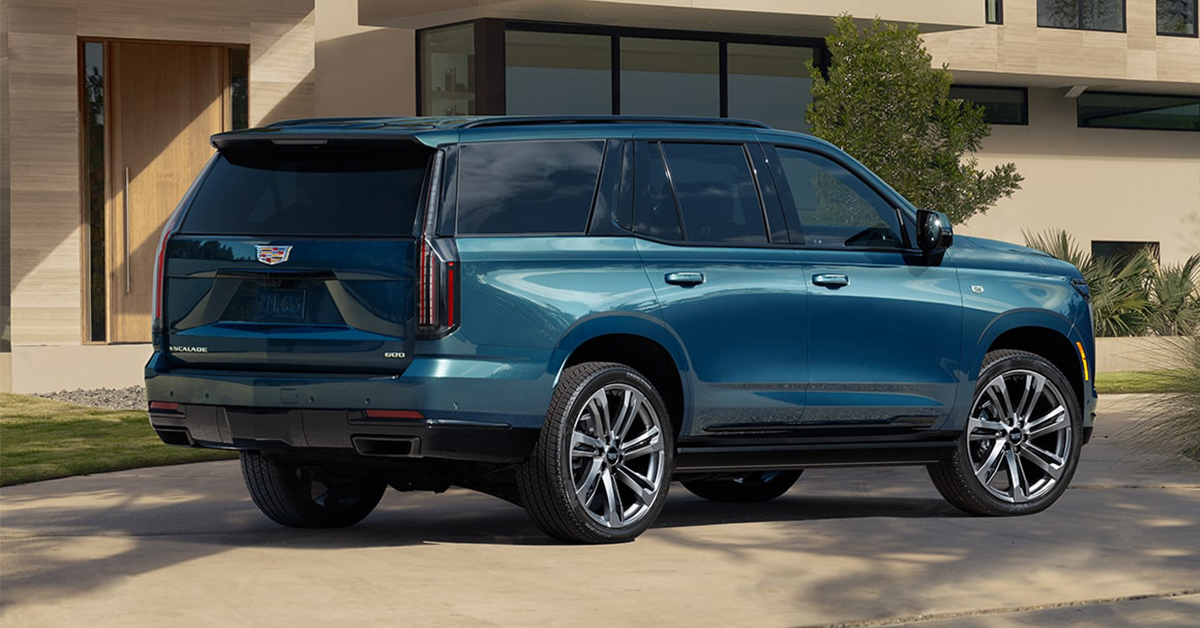
When comparing the Tesla Model 3 and the Cadillac Escalade, the differences go beyond electric versus gasoline power. The Model 3 offers a sleek, efficient EV experience but comes with range limitations, minimal cargo space, and reliance on Full Self-Driving features that require constant attention. The Escalade, on the other hand, delivers commanding size, spacious seating, advanced safety features, and luxury comfort, making it a practical choice for families or drivers seeking versatility. Understanding these trade-offs helps buyers weigh Model 3 downsides versus the benefits of a full-size SUV.
Crestview Cadillac is dedicated to helping drivers in Azusa, Glendora, Duarte, and San Dimas find the right vehicle for their lifestyle. From sales to service, parts, and everything in between, our team is here to make every automotive experience seamless. Contact us today or give us a call to learn more about our Cadillac Escalade for sale and see how we can assist with your next vehicle decision.
How Do Tesla Model 3 Downsides Compare to a Cadillac Escalade’s Strengths?
When looking at a Tesla Model 3 and a Cadillac Escalade side by side, the differences are clear from the moment you step inside. The Model 3 is a nimble, futuristic EV sedan with sleek lines, cutting-edge technology, and impressive acceleration. However, its compact size and limited cargo space highlight some of the trade-offs that come with choosing an electric vehicle over a full-size SUV. The Escalade, by comparison, offers room for up to eight passengers, a massive cargo area, and a commanding presence on the road that the Model 3 simply cannot match.
The comparison isn’t just about size or power; it’s about lifestyle and needs. Consider these key differences:
- Space and Comfort: The Escalade provides three rows of seating with ample legroom, while the Model 3 seats five adults in a tighter cabin. Families or drivers who regularly carry multiple passengers may find the Escalade’s spacious interior far more accommodating.
- Cargo Capacity: With up to 120 cubic feet of storage, the Escalade can handle road trips, sports equipment, or large shopping hauls with ease. The Model 3’s trunk and frunk total about 24 cubic feet, which works for daily commuting but can feel restrictive on longer trips.
- Technology in Action: Both vehicles offer advanced tech, but they use it differently. The Model 3 relies on a minimalist touchscreen interface and Full Self-Driving (Supervised) features, which still require constant driver attention. The Escalade combines luxury with practicality, featuring a curved 55-inch display, hands-free driver assistance, and passenger-focused entertainment options.
For drivers in Azusa, Glendora, Duarte, and San Dimas, these differences matter. If your day-to-day life involves hauling gear, navigating family trips, or simply enjoying a commanding ride, the Escalade’s advantages become clear. Understanding these contrasts is essential when evaluating Tesla Model 3 downsides versus Cadillac Escalade strengths, and our team at Crestview Cadillac is ready to help guide you through the options. Schedule a visit today to experience the Escalade firsthand and see how it fits your lifestyle.
What Are the Range and Charging Limitations of the Tesla Model 3 Compared to Fuel Refills in an Escalade?
One of the most noticeable differences between the Tesla Model 3 and a Cadillac Escalade is how each vehicle handles energy and refueling. The Model 3, as an electric vehicle, depends entirely on battery charge, which can range from about 320 to 430 miles depending on the model. While this is more than sufficient for daily commuting, longer trips require careful planning around charging stations. The Escalade, by contrast, runs on gasoline and can be refueled in minutes at widely available stations, offering more flexibility for spontaneous road trips.
For drivers in Azusa, Glendora, Duarte, and San Dimas, understanding these limitations can impact daily life and travel plans. Some practical considerations include:
- Charging Time vs. Fuel Stops: Even with Tesla’s Supercharging network, adding a full charge can take 30 to 60 minutes depending on battery size. A quick fuel stop for an Escalade takes just a few minutes, keeping travel time minimal.
- Range Anxiety: Drivers new to EVs often worry about running out of battery before reaching a charger. In contrast, gasoline-powered SUVs like the Escalade provide peace of mind with easy access to fuel and long driving ranges.
- Infrastructure Availability: While public charging stations are growing, they are still less common than gas stations. Local drivers may find that an Escalade allows for more convenient and predictable travel without planning routes around charging points.
Despite these differences, both vehicles have their strengths. The Model 3 excels in efficiency and lower long-term energy costs, while the Escalade provides reliability and convenience without the need for constant charging considerations. If you are looking for a vehicle that balances luxury, comfort, and practicality, exploring the Cadillac Escalade for sale at Crestview Cadillac allows you to see firsthand how a full-size SUV can meet your driving needs. Our team can help you understand which model fits your lifestyle, from urban commuting to weekend adventures.
How Does Interior Space and Comfort Differ Between the Two Vehicles?
When it comes to interior space and comfort, the differences between a Tesla Model 3 and a Cadillac Escalade are striking. The Model 3 offers a minimalist cabin with modern finishes and a high-tech 15-inch touchscreen, making it feel futuristic and efficient. However, its compact design limits rear-seat legroom and cargo space, which can be noticeable on longer drives or when traveling with family. The Escalade, in contrast, prioritizes luxury and space, providing a full-size SUV experience that accommodates multiple passengers and large amounts of cargo with ease.
Understanding these contrasts highlights some key Model 3 vs Escalade consumer trade-offs:
- Seating Capacity: The Model 3 comfortably seats five adults, while the Escalade offers three rows of seating for up to eight passengers. Families or groups frequently on the road will find the Escalade much more accommodating.
- Legroom and Comfort: The Escalade provides generous legroom in every row, along with adjustable, heated, and ventilated seats for maximum comfort. The Model 3’s rear seats are cozier, which can feel restrictive during longer commutes or road trips.
- Cargo and Storage: Between its trunk and front storage (frunk), the Model 3 offers about 24 cubic feet of cargo space. The Escalade delivers upwards of 120 cubic feet, making it ideal for luggage, sports equipment, or everyday errands.
- Technology and Amenities: While the Model 3 focuses on a central touchscreen and driver-centric controls, the Escalade balances technology with luxury for all passengers. Features such as rear entertainment displays, premium sound systems, and multiple USB charging ports ensure everyone travels in comfort.
For drivers in Azusa, Glendora, Duarte, and San Dimas, these interior differences can be a deciding factor. Choosing between the efficiency and sleek design of the Model 3 and the spacious luxury of the Escalade often comes down to lifestyle needs and priorities. Visiting Crestview Cadillac allows you to experience the full-size comfort of an Escalade firsthand, helping you make a choice that fits your family and daily routine.
Are Safety and Driver-Assist Features a Concern When Choosing Model 3 Over Escalade?
Safety is a critical factor when comparing a compact EV sedan to a full-size SUV, and it often shapes the decision for drivers in Azusa, Glendora, Duarte, and San Dimas. The Tesla Model 3 offers advanced safety features, including collision avoidance, automatic emergency braking, and optional Full Self-Driving capabilities. While these systems are impressive, they still require constant driver attention and may not provide the same confidence as a larger vehicle in every driving scenario.
By contrast, the Cadillac Escalade is designed to combine luxury with comprehensive safety and driver-assist technology. Its Super Cruise system allows hands-free driving on compatible highways, and features like adaptive cruise control, lane-keeping assist, and extensive airbags provide additional reassurance for all passengers. These differences illustrate common EV sedan vs full-size SUV concerns when evaluating which vehicle fits your needs:
- Driver Assistance: Tesla’s Full Self-Driving is a supervised system that helps with navigation and traffic but requires the driver to remain alert. Escalade’s hands-free Super Cruise allows for a more relaxed, confident driving experience on longer stretches of highway.
- Crash Protection: The Model 3 has a rigid passenger compartment and multiple airbags, performing exceptionally in crash tests for a sedan. The Escalade, with its larger frame and reinforced structure, offers greater protection in collisions involving bigger vehicles or roadside obstacles.
- Passenger Safety: Full-size SUVs like the Escalade often provide higher seating positions, giving drivers better visibility and a sense of control in busy traffic. EV sedans sit lower, which may impact sightlines in crowded urban streets.
Understanding these trade-offs helps drivers choose a vehicle that aligns with both daily driving and long-term safety priorities. For those who value advanced technology combined with the peace of mind that comes from a full-size SUV, exploring the Escalade at Crestview Cadillac provides an opportunity to experience its safety features firsthand and see how they enhance comfort and confidence behind the wheel.
How Do Performance and Driving Experience Trade-Offs Impact Daily Use?
Performance and driving experience can make a significant difference in everyday life, and understanding these trade-offs helps highlight Tesla Model 3 downsides versus Cadillac Escalade strengths. The Model 3 delivers impressive acceleration and a smooth, responsive ride typical of a sports sedan, making it ideal for city driving and short commutes. However, its lighter frame and lower seating position may not offer the same sense of control or comfort during long drives, highway cruising, or when navigating uneven terrain.
The Escalade offers a very different driving experience, designed for comfort, stability, and commanding road presence. Its full-size SUV design, adaptive suspension, and powerful engine make it easy to handle both city streets and long-distance trips. For many drivers in Azusa, Glendora, Duarte, and San Dimas, these differences influence which vehicle better suits daily routines. Key considerations include:
- Acceleration and Handling: The Model 3 accelerates quickly and feels nimble in traffic, but its lighter weight can make it more sensitive to road imperfections or strong winds. The Escalade trades some agility for a smoother, more planted ride, especially with available Air Ride Adaptive Suspension.
- Driving Comfort: The Escalade’s elevated seating provides excellent visibility and less strain on long drives, while the Model 3’s sportier, lower cabin can feel tighter on extended trips.
- Cargo and Load Management: Daily tasks, like grocery runs, carrying sports gear, or transporting luggage, are easier in the Escalade due to its spacious interior and towing capabilities.
- Noise and Ride Quality: The Escalade’s cabin is engineered to reduce road and wind noise, creating a quiet, luxurious environment. The Model 3 has a minimalist interior that emphasizes technology but can transmit more road sounds during longer drives.
Ultimately, the choice comes down to lifestyle and priorities. Drivers who want an energetic, high-tech EV experience may lean toward the Model 3, while those who value comfort, space, and versatility will see the Escalade as a more practical daily driver. Visiting Crestview Cadillac allows you to test drive an Escalade and experience firsthand how its performance and comfort suit both city commutes and weekend adventures.
What Are the Cost and Maintenance Considerations Between Model 3 and Escalade?
Cost and maintenance play a major role when deciding between a Tesla Model 3 and a Cadillac Escalade. While electric vehicles often promise lower fuel costs and fewer moving parts, the Model 3 can come with higher upfront pricing, potential battery replacement considerations, and reliance on specialized service centers. The Escalade, though a full-size luxury SUV with a higher initial price, provides predictable maintenance schedules, widely available service options, and the durability expected from a long-standing luxury brand.
For drivers in Azusa, Glendora, Duarte, and San Dimas, it’s helpful to break down some of the main cost and upkeep differences:
- Upfront Pricing: The Model 3 is marketed as an affordable EV compared to other luxury electric sedans, but high-performance variants can approach the price of a fully equipped Escalade. Considering options, upgrades, and long-term utility, buyers often weigh value versus features.
- Fuel and Energy Costs: Charging a Model 3 is generally less expensive than filling a tank with gasoline, especially for city commuting. The Escalade’s gasoline engine requires regular refueling, but fuel stations are widely accessible, making travel planning simpler.
- Maintenance and Repairs: Electric vehicles have fewer mechanical components, which can reduce certain maintenance tasks. However, battery health, software updates, and limited service centers may add complexity. The Escalade benefits from a network of dealerships and service centers that handle routine maintenance and luxury-specific repairs efficiently.
- Resale Value and Longevity: The Escalade’s long-standing reputation for durability and desirability helps maintain its value over time. While Tesla vehicles are sought after, fluctuations in EV technology and battery life can impact long-term resale expectations.
For those evaluating a luxury SUV that balances cost, convenience, and reliability, viewing a Cadillac Escalade for sale at Crestview Cadillac is a practical first step. Our team can walk you through pricing, maintenance plans, and financing options, helping you make a confident, informed decision for both daily driving and long-term ownership.
How Does Usability and Lifestyle Fit Differ Between the Two Vehicles?
Choosing the right vehicle often comes down to how it fits your lifestyle, and comparing a Tesla Model 3 with a Cadillac Escalade highlights key practical differences. The Model 3 excels in city driving, easy parking, and efficiency, but its compact size and limited cargo space can pose challenges for families, weekend adventures, or hauling large items. The Escalade, by contrast, is designed for versatility, comfort, and functionality, making it easier to accommodate a wide range of daily and recreational needs.
When considering Model 3 vs Escalade consumer trade-offs, some important lifestyle factors include:
- Family and Passenger Needs: The Escalade’s three-row seating and ample legroom make it ideal for families or carpooling. The Model 3 seats five adults comfortably, but space can feel tight on longer trips.
- Cargo and Storage: Large shopping runs, sports gear, or luggage for a road trip are easier to manage in the Escalade, which provides extensive cargo space and flexible storage options.
- Urban vs. Suburban Use: The Model 3’s compact size and agility make it convenient for city streets, tight parking, and quick commutes. The Escalade performs well in suburban and highway driving, offering a smoother ride and higher visibility.
- Lifestyle Compatibility: Drivers who prioritize luxury, technology, and entertainment for passengers may prefer the Escalade’s rear-seat amenities, panoramic roof, and premium audio systems. Those who favor efficiency, sustainability, and sleek design may lean toward the Model 3.
For residents in Azusa, Glendora, Duarte, and San Dimas, understanding these usability differences helps match a vehicle to real-world needs. Experiencing the Escalade firsthand at Crestview Cadillac allows you to see how a full-size SUV adapts to everyday life while providing space, comfort, and flexibility for family and personal routines. Our team is available to help you evaluate which model aligns with your lifestyle priorities and driving habits.
How Should Buyers Weigh Tesla Model 3 Downsides vs Cadillac Escalade Benefits in 2026?
Choosing between a Tesla Model 3 and a Cadillac Escalade comes down to understanding your priorities and lifestyle. For drivers focused on efficiency, technology, and a compact, city-friendly vehicle, the Model 3 has a lot to offer. However, the practical limitations of a smaller EV sedan—like limited cargo space, range considerations, and tighter rear seating—highlight common EV sedan vs full-size SUV concerns for those who need versatility, space, and comfort.
When weighing the trade-offs, consider these key points:
- Daily Driving Needs: If most of your driving is local, commuting, or city-based, the Model 3 may provide the efficiency and agility you want. For longer drives, frequent passenger trips, or cargo-heavy tasks, the Escalade’s full-size design adds convenience and peace of mind.
- Family and Lifestyle Fit: Families, outdoor enthusiasts, or anyone needing extra seating and storage will benefit from the Escalade’s flexible interior and larger cabin. The Model 3 is ideal for smaller households or individuals who prioritize style and technology over space.
- Maintenance and Convenience: EVs like the Model 3 have lower routine maintenance costs but require charging infrastructure. Full-size SUVs like the Escalade offer predictable service schedules and easy access to fuel, making them simpler for daily use in most suburban and urban settings.
- Luxury and Comfort: The Escalade elevates the driving experience with premium materials, advanced driver-assist features, and rear-seat amenities, making long trips more enjoyable for all occupants.
For drivers in Azusa, Glendora, Duarte, and San Dimas, the decision is ultimately about matching a vehicle to real-life needs rather than features alone. Experiencing the Escalade firsthand at Crestview Cadillac allows you to see how its benefits complement daily life, whether for commuting, family travel, or weekend adventures. Our team is ready to help you explore your options, compare features, and find the right vehicle to fit your lifestyle and driving preferences.
Frequently Asked Questions About Downsides of a Tesla Model 3 vs Cadillac Escalade [2026]
When comparing a Tesla Model 3 with a Cadillac Escalade, drivers often have specific questions about practicality, daily usability, and long-term ownership. Understanding these points helps families, commuters, and active drivers make an informed choice.
How does the smaller/cheaper Model 3 (compared with larger crossovers) create practical downsides against a full-size Escalade for families?
The Model 3’s compact size limits rear-seat space and overall cabin room, making it less suitable for larger families. In contrast, the Escalade provides three rows of seating for up to eight passengers, giving families more comfort and flexibility.
What cargo, towing, and passenger limitations make the Model 3 a poor substitute for an Escalade?
The Model 3 has about 24 cubic feet of cargo space, no significant towing capacity, and only seats five adults, whereas the Escalade offers over 120 cubic feet of cargo space, can tow up to 8,100 pounds, and comfortably accommodates up to eight passengers.
How do charging logistics and travel planning compare unfavorably for Model 3 buyers versus Escalade owners?
The Model 3 requires access to charging stations, with travel planning dependent on charger availability and charging times. The Escalade’s gasoline engine allows for quick refueling at any gas station, providing more convenience and flexibility for road trips or long-distance travel.
Are there cost or insurance considerations that make Model 3 ownership less practical than an Escalade?
While EVs like the Model 3 can save on fuel and some maintenance, high-performance trims and battery replacements may increase overall costs. Insurance for electric vehicles can also be higher due to repair complexity, whereas the Escalade benefits from predictable maintenance and widely available service, helping manage long-term ownership expenses.
Which scenarios (road trips, towing, large families) highlight the Model 3’s major downsides?
Extended road trips, towing trailers, transporting large groups, or carrying bulky cargo highlight the Model 3’s limitations. The Escalade excels in these scenarios with ample space, towing capability, and comfort for all passengers.
Explore Your Options at Crestview Cadillac
For drivers in Azusa, Glendora, Duarte, and San Dimas, understanding the differences between compact EVs and full-size luxury SUVs helps guide smarter vehicle choices. If you’re seeking space, comfort, and versatility for family trips, commuting, or weekend adventures, the Escalade offers a combination of luxury and practicality that few vehicles can match.
Our dealership provides a wide selection of Escalade models and other premium vehicles designed to meet your driving needs. Whether you’re interested in towing capacity, interior comfort, or advanced technology, our team is here to help you compare features, evaluate options, and find the right vehicle for your lifestyle.
For those curious about other electric and luxury SUVs, you might find it useful to read about the Tesla Model X vs Escalade, Tesla Model S vs Escalade IQ, or Cadillac LYRIQ vs Kia EV6 to see how different models fit varying needs. These resources can help you make a confident choice when weighing performance, practicality, and comfort.
Visit Crestview Cadillac today to test drive an Escalade or any of our premium vehicles. Our team is ready to answer questions, provide detailed information, and assist with financing or trade-ins, making your car-buying experience smooth and personalized.
Get Directions to Crestview Cadillac
Disclaimer: All information is provided for general informational and entertainment purposes only. While we strive for accuracy, we cannot guarantee that all content is complete, current, or error-free. Any reliance you place on such information is strictly at your own risk. This article may include opinions and is not endorsed by, or officially affiliated with, any vehicle manufacturer or brand. Always consult official sources – such as the vehicle’s owner’s manual, authorized dealerships, or certified professionals – for the most up-to-date and personalized information.
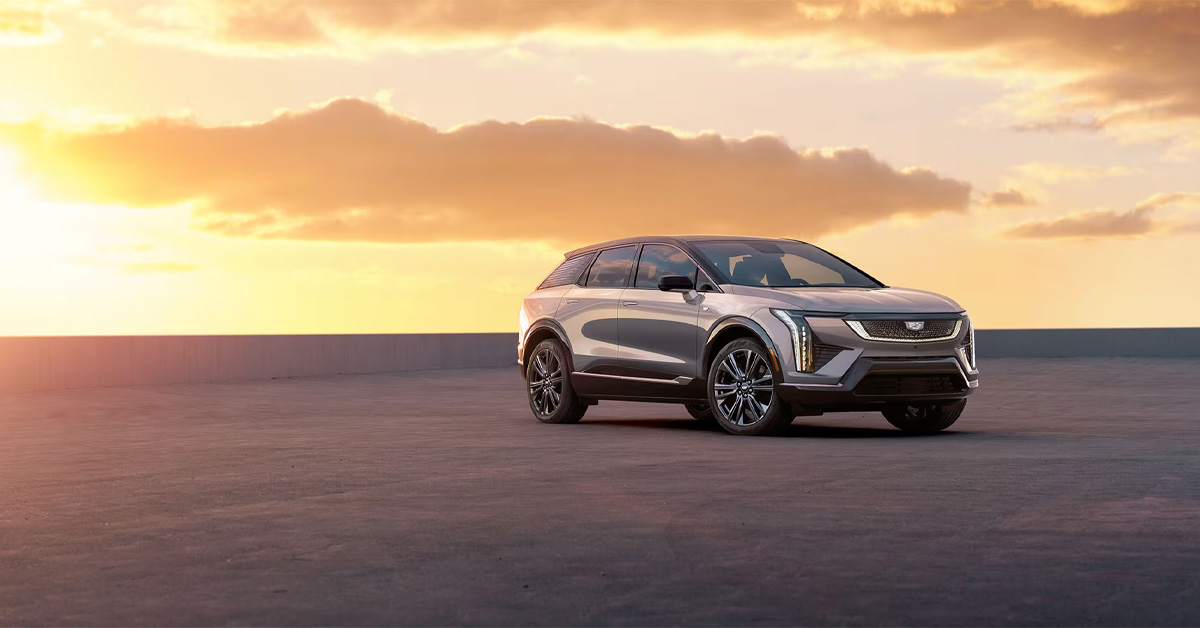
Choosing between the Tesla Model 3 and the Cadillac Optiq often comes down to comfort, technology usability, interior luxury, and everyday practicality. While the Model 3 delivers strong efficiency and performance, some drivers find drawbacks in its minimalist controls, limited sedan space, and reliance on touchscreen functions. In contrast, the Optiq offers a more refined luxury EV experience with enhanced comfort, improved cargo flexibility, and intuitive driver assistance technology.
Crestview Cadillac is proud to help drivers find the right electric vehicle to match their lifestyle, whether you are shopping for a new Cadillac Optiq or maintaining your current vehicle. Our team is committed to supporting you through every step of ownership, including vehicle sales, certified service, genuine parts, and expert guidance. Contact Crestview Cadillac today to speak with our team or schedule a visit to experience our lineup in person.
What Are the Biggest EV Buyer Trade-Offs Between the Tesla Model 3 and Cadillac Optiq?
Choosing between the Tesla Model 3 and the Optiq often comes down to how an electric vehicle fits into everyday life, not just how it looks on a spec sheet. Both deliver all-electric efficiency and modern performance, but when comparing the Tesla Model 3’s downsides to the Cadillac Optiq, many drivers begin to notice meaningful differences in comfort, space, and overall usability. These trade-offs tend to matter more the longer you own and drive the vehicle.
The Model 3 is designed as a compact electric sedan with a minimalist approach that prioritizes efficiency and simplicity. The Optiq takes a different path, offering a luxury electric SUV experience focused on comfort, refinement, and versatility. Understanding these contrasting philosophies helps clarify which vehicle aligns better with your daily needs.
Body Style and Everyday Practicality
How a vehicle is shaped plays a major role in how easy it is to live with.
- The Model 3’s low profile and sedan layout can feel restrictive when carrying passengers, loading larger items, or dealing with uneven pavement.
- The Optiq provides a higher driving position, more flexible cargo space, and easier entry and exit, which many drivers find more convenient for daily routines.
For households balancing work, errands, and weekend activities, those differences quickly become noticeable.
Interior Comfort and Ease of Use
Cabin design often shapes long-term satisfaction more than performance figures.
- Tesla’s interior relies heavily on a central touchscreen for most vehicle functions, which can require extra attention while driving.
- The Optiq blends large digital displays with familiar controls, creating a refined environment that feels intuitive and relaxing.
Drivers who value a traditional sense of luxury often gravitate toward the Optiq’s approach.
Technology and Driving Confidence
Advanced features should reduce stress, not add to it.
- Tesla’s driver assistance systems require constant awareness and frequent adjustments through software updates.
- The Optiq emphasizes confidence and ease, especially during highway driving, with available hands-free technology designed for comfort on longer trips.
These differences shape how relaxed drivers feel behind the wheel.
Matching the EV to Your Lifestyle
The biggest EV buyer trade-offs come down to priorities. Drivers who value simplicity and efficiency may appreciate the Model 3, while those seeking space, comfort, and a premium experience often prefer the Optiq. Seeing how each vehicle supports real-world driving makes the decision clearer.
Drivers interested in a luxury electric SUV that balances innovation with everyday comfort are encouraged to experience the Optiq firsthand. Crestview Cadillac is available to answer questions, arrange test drives, and help guide you toward the right electric vehicle for your lifestyle.
How Does the Tesla Model 3’s Minimalist Interior Become an Ownership Downside?
The Tesla Model 3 is known for its sleek, minimalist interior, which creates a futuristic, uncluttered cabin. While this design appeals to fans of modern technology, it can also present practical challenges for daily driving. With nearly all functions controlled through a central touchscreen, some drivers find that routine adjustments, like climate control or mirror settings, require extra attention and a learning curve.
For comparison, the Cadillac Optiq provides a more traditional luxury layout that balances high-tech features with tactile controls. This approach can make a big difference in everyday usability, especially during long drives or quick errands around town.
The Challenges of a Touchscreen-Centric Cabin
- Learning curve: Drivers new to the Model 3 often spend the first few weeks adjusting to the touchscreen for everything from turning on the headlights to controlling seat heaters.
- Distraction risk: Reaching for menus while driving can take attention away from the road, making simple tasks more cumbersome.
- Limited customization: Many functions are buried in software menus, meaning quick tweaks aren’t always possible without navigating multiple screens.
These factors may feel inconvenient for drivers used to traditional controls, particularly during busy commutes or while multitasking on longer trips.
Comfort and Interior Usability
Beyond controls, the minimalist design affects comfort and storage.
- Seating adjustments rely primarily on screen commands, which can feel less precise than physical levers or buttons.
- Cabin storage is limited compared to the flexible compartments found in luxury electric SUVs, making it less practical for families or drivers who carry gear frequently.
For drivers who want a balance of technology and comfort, a vehicle like the Optiq is often a more user-friendly option.
Seeing the Difference in Person
Experiencing a vehicle firsthand makes these trade-offs clear. While the Model 3 offers cutting-edge design and efficiency, the Cadillac Optiq for sale provides an interior that is both modern and intuitive, with easy-to-use controls, spacious seating, and thoughtful storage options. For those who value comfort and usability without sacrificing technology, seeing the Optiq up close helps highlight why some drivers prefer this approach.
Crestview Cadillac invites drivers to visit the dealership, test out the interior, and experience how comfort and convenience combine in the Optiq. Our team can answer questions, demonstrate features, and help find the right trim to match your lifestyle.
Where Does Practicality Give the Optiq an Advantage Over the Model 3?
When evaluating electric vehicles, daily usability often matters more than speed or futuristic features. Many drivers quickly notice that the Tesla Model 3’s compact sedan design comes with limitations in cargo space, rear-seat comfort, and overall versatility. These factors highlight some of the key EV buyer trade-offs Model 3 vs Optiq, especially for families, commuters, or anyone who needs a vehicle to handle a variety of tasks.
The Cadillac Optiq offers a different approach. Its SUV design combines luxury and practicality, making everyday errands, road trips, and active lifestyles easier to manage without sacrificing style or technology.
Cargo Space and Storage Flexibility
- Trunk limitations: The Model 3 provides a modest trunk and a front “frunk,” but its sedan layout restricts the size and shape of items you can carry.
- Optiq advantage: With a larger rear cargo area and fold-flat rear seats, the Optiq accommodates groceries, sports equipment, luggage, or weekend gear effortlessly.
- Everyday usability: Flexible storage options reduce stress when juggling multiple passengers and cargo at once.
Passenger Comfort and Accessibility
- The Model 3’s lower ride height and compact cabin can make rear-seat entry and exit less convenient for adults or children.
- The Optiq offers a higher seating position and more legroom, improving comfort for longer drives and city-to-suburb commutes alike.
- Adjustable features like heated and ventilated seats make a noticeable difference on hot or cold days, creating a more enjoyable experience for everyone onboard.
Versatility for Daily Life
Practicality isn’t just about space; it’s about how the vehicle fits into a variety of routines.
- Road trips, weekend getaways, and daily errands are easier with the Optiq’s SUV design.
- Drivers who need to transport larger items or multiple passengers benefit from its flexible cabin layout.
- These conveniences often outweigh the Model 3’s advantages in efficiency or acceleration for many buyers.
Experiencing Practical Luxury Firsthand
For drivers weighing EV buyer trade-offs, Model 3 vs Optiq, seeing the difference in person can be eye-opening. The Optiq blends modern technology with usability, delivering a vehicle that fits real-world lifestyles without compromise.
Crestview Cadillac invites drivers to visit the dealership and test the Optiq for themselves. Our team can demonstrate cargo solutions, seating adjustments, and daily convenience features, helping you understand why this electric SUV stands out for both practicality and luxury.
How Do Technology and Driver Assistance Systems Compare in Real-World Use?
Modern electric vehicles rely heavily on technology to enhance driving, but not all systems are equally intuitive or practical. The Tesla Model 3 impresses with advanced features like Autopilot and Full Self-Driving capabilities, yet some drivers quickly notice the trade-offs between futuristic tech and everyday usability. Comparing Tesla Model 3 downsides vs Cadillac Optiq highlights how technology and driver assistance can influence confidence, convenience, and safety on real roads.
The Optiq takes a different approach, combining advanced systems with a user-friendly design. Its technology focuses on making driving easier and more comfortable without requiring constant supervision or complicated screen navigation.
Driver Assistance and Ease of Use
- Tesla Model 3: Autopilot and Full Self-Driving offer assisted lane keeping, adaptive cruise control, and traffic-aware navigation. While powerful, these features require constant attention and adjustment, which can feel stressful for some drivers.
- Cadillac Optiq: Super Cruise provides hands-free driving on compatible highways, reducing fatigue while keeping drivers engaged when necessary. The system is easier to manage for long commutes and highway trips.
- Practical difference: For drivers covering daily distances or traveling frequently, Optiq’s technology often feels more supportive and less intrusive.
Infotainment and Control Systems
- Model 3 relies almost entirely on its central touchscreen for navigation, climate control, and vehicle settings. This setup can require extra focus, especially when driving in heavy traffic or adjusting multiple systems simultaneously.
- Optiq balances digital displays with physical controls, allowing quick adjustments without taking eyes off the road. This combination makes it easier to operate while driving and reduces distractions.
Software Updates and Adaptability
- Tesla frequently pushes over-the-air updates, adding features and refining systems. While this keeps the vehicle current, it can also require ongoing learning and adaptation for drivers.
- The Optiq provides software improvements while maintaining a familiar interface, letting drivers enjoy modern technology without constant adjustment.
Making Technology Work for You
Understanding how technology affects daily driving is essential when weighing Tesla Model 3 downsides vs Cadillac Optiq. While both vehicles offer innovative systems, the Optiq emphasizes usability, comfort, and driver confidence in real-world situations.
Crestview Cadillac encourages drivers to experience the Optiq firsthand. Test driving the SUV allows you to see how Super Cruise, infotainment, and driver assistance features perform in everyday scenarios. Our team can answer questions and help you explore the technology options that best suit your driving style.
Are Charging and Range as Simple as They Appear With the Model 3?
Range and charging are often the first factors drivers consider when evaluating an electric vehicle. On paper, the Tesla Model 3 offers impressive mileage and rapid charging capabilities, but real-world conditions can make the experience less straightforward. Factors like driving habits, temperature, and frequent use of advanced features can reduce the actual range, highlighting some of the challenges that come with Tesla ownership.
The Cadillac Optiq approaches these concerns differently, providing a balance between range, charging speed, and everyday usability. For drivers seeking a practical, reliable EV, the Optiq demonstrates how luxury and convenience can coexist without constant planning.
Understanding Real-World Range
- Model 3: The advertised range is based on standardized testing, which doesn’t always reflect city traffic, steep hills, or cold weather conditions.
- Optiq: Offers a consistent range that accounts for real-world driving patterns, making it easier to plan trips and daily commutes without anxiety.
For drivers navigating busy streets in Azusa, Glendora, or Duarte, these differences can become very noticeable on a regular commute.
Charging Infrastructure and Convenience
- Tesla Superchargers allow rapid charging, but access may require detours or waiting during peak times.
- Optiq supports Level 2 and fast-charging options compatible with more public charging stations, simplifying charging at home or on the road.
- Daily usability: Flexible charging options mean fewer interruptions and more confidence for drivers who rely on their EV for both work and personal errands.
Planning and Predictability
- The Model 3 may require more careful trip planning for longer drives, especially when traveling outside urban areas or in colder months.
- The Optiq’s combination of range, charging speed, and available support systems helps reduce uncertainty, making ownership feel more straightforward.
Experiencing Practical EV Ownership
For drivers comparing options, seeing the differences firsthand can clarify which vehicle better fits their lifestyle. Those interested in an EV that balances performance, range, and convenience should explore the Cadillac Optiq for sale. Crestview Cadillac can provide test drives, charging demonstrations, and guidance to ensure confident, stress-free EV ownership.
Do Ownership Costs and Value Perception Shift the Comparison?
When comparing electric vehicles, the sticker price is only part of the story. Many drivers quickly realize that Model 3 ownership downsides extend beyond initial cost, encompassing maintenance, software updates, insurance, and the potential for unexpected repairs. While the Model 3 can be efficient and sporty, these factors can shift the perceived value for everyday drivers, especially those who prioritize convenience and predictability.
The Cadillac Optiq, in contrast, emphasizes long-term ownership ease alongside luxury and performance. Its combination of features, warranty coverage, and practical design contributes to a more consistent and predictable experience for drivers, which can influence how buyers evaluate overall value.
Upfront Costs and Feature Packages
- The Model 3’s base price may seem attractive, but adding features like Full Self-Driving or premium interior options increases the total cost significantly.
- The Optiq offers a wide range of trims with advanced technology and luxury features included or easily added without unexpected subscriptions, making budgeting simpler.
Maintenance and Long-Term Ownership
- Tesla: Minimal mechanical maintenance is needed for electric motors, but repairs or replacements for electronics, screens, or software issues can be costly.
- Optiq: Routine service is straightforward, with widespread dealer support and transparent costs, reducing the risk of surprises over time.
Insurance and Resale Considerations
- EV insurance rates can vary widely, and Tesla repairs may lead to higher premiums.
- The Optiq maintains strong resale value and predictable insurance costs, which can make it a more balanced long-term investment for drivers in and around Glendora, Azusa, or San Dimas.
Balancing Cost With Practical Value
While the Model 3 excels in efficiency and tech-forward design, some drivers find that Model 3 ownership downsides affect the overall ownership experience more than expected. In contrast, the Optiq delivers a luxury experience, practical usability, and reliable support that contribute to a stronger sense of value over time.
Crestview Cadillac invites drivers to explore the Optiq firsthand, compare trims, and discuss total ownership costs. Our team can provide detailed breakdowns, service guidance, and assistance with financing options to help drivers make confident, informed decisions.
Which Type of Driver Will Feel the Model 3’s Downsides Most in 2026?
Not every driver experiences EV ownership the same way, and the Tesla Model 3’s minimalist design and tech-focused approach can be more of a challenge for some than others. Understanding these differences highlights key EV buyer trade-offs, Model 3 vs Optiq, and helps prospective owners determine which vehicle suits their lifestyle best.
Drivers with active households, long commutes, or a preference for traditional vehicle controls often notice the Model 3’s limitations more acutely. Its compact sedan layout, touchscreen-centric interior, and reliance on software updates can make everyday tasks less intuitive for those who value convenience and predictability.
Who Might Struggle With the Model 3?
- Families or commuters: Limited rear-seat space and cargo capacity can make it difficult to transport passengers, groceries, or sports gear comfortably.
- Drivers new to EVs: Adjusting to touchscreen-only controls, range planning, and frequent software updates can feel overwhelming for first-time electric vehicle owners.
- Long-distance travelers: While range is competitive on paper, real-world conditions, charging availability, and trip planning can add stress for frequent road trippers.
- Those seeking a traditional luxury experience: Drivers who enjoy tactile controls, spacious cabins, and refined comfort may find the minimalist interior less satisfying over time.
Drivers Who May Appreciate the Model 3
- Those prioritizing sporty performance, cutting-edge technology, and compact city maneuverability may embrace the trade-offs without issue.
- For drivers who are tech-savvy and comfortable learning new systems, the Model 3 can be a rewarding daily driver despite its quirks.
Seeing the Differences in Person
For drivers who want a balance of luxury, comfort, and ease of use, the Cadillac Optiq often stands out. Its SUV design, intuitive technology, and flexible cabin appeal to a wide range of lifestyles, from busy family routines to everyday commutes in Azusa, Glendora, Duarte, or San Dimas.
Crestview Cadillac invites drivers to test both vehicles and experience these trade-offs firsthand. Our team can guide you through features, seating layouts, and technology to help you determine which EV best fits your driving habits and lifestyle.
Frequently Asked Questions About Downsides of a Tesla Model 3 vs Cadillac Optiq [2026]
Drivers considering a Tesla Model 3 or Cadillac Optiq often have specific questions about practicality, range, costs, and usability. These answers highlight key trade-offs and can help buyers make a confident decision that fits their lifestyle and driving needs.
What practical drawbacks would a Model 3 present compared with the Cadillac Optiq (charging, service, interior practicalities)?
The Model 3 has a compact sedan layout with limited rear-seat space and cargo volume. Nearly all controls are touchscreen-based, which can be less convenient for daily use. Charging requires planning around Supercharger locations or compatible stations, and service is limited to Tesla service centers, which may be less accessible than the broader dealer network available for the Optiq.
How do likely real-world range and charging times compare, and where does Model 3 fall short?
While the Model 3 offers strong EPA range estimates, real-world conditions like cold weather, hills, and heavy feature use can reduce range. Charging at Superchargers is fast, but availability may be limited in certain areas. The Optiq provides a reliable range in daily driving, compatible Level 2 and fast-charging options, and simpler access to charging infrastructure.
Are there ownership-cost or warranty differences that make Model 3 less attractive versus Optiq?
Model 3 ownership can involve higher insurance costs, potential expenses for electronic or screen repairs, and optional software features like Full Self-Driving that add to the total cost. The Optiq offers predictable maintenance costs, extensive dealer support, and a comprehensive warranty that helps make long-term ownership more straightforward.
Does the Model 3 lack features or dealer support that Optiq buyers would benefit from?
Yes, the Model 3 relies heavily on software and touchscreen controls, which can make some features less intuitive. It lacks traditional dealer support, parts accessibility, and tactile controls that Optiq buyers enjoy, such as physical buttons for comfort adjustments and more flexible cargo configurations.
Which buyer profiles should avoid the Model 3 in favor of the Optiq based on likely downsides?
Families, daily commuters, first-time EV owners, long-distance travelers, and anyone who prefers traditional luxury features or more interior space would benefit from the Optiq. Drivers who prioritize convenience, usability, and flexible storage will feel the Model 3’s downsides more acutely.
Learn More About EV Choices and Visit Crestview Cadillac
Choosing the right electric vehicle often comes down to balancing technology, comfort, and practicality. If you’ve been considering a Tesla but want more spacious interiors, flexible cargo, and predictable ownership, the Cadillac Optiq is an option worth seeing in person. Drivers from Azusa, Glendora, Duarte, and San Dimas can experience its advanced features, smooth ride, and luxurious cabin firsthand at Crestview Cadillac.
Our showroom offers a wide selection of vehicles, including the Optiq, so you can compare trims, test drive, and explore options that fit your lifestyle. Whether you’re transitioning from a traditional luxury vehicle or evaluating EV alternatives, our team is here to help with sales, service, financing, and guidance to make your next vehicle purchase seamless.
For more comparisons, check out our guides on Model S vs Escalade IQ, Model X vs Escalade, and LYRIQ vs EV6 to see how different EVs stack up in technology, range, and ownership.
Visit Crestview Cadillac today, explore our full selection, and let us help you find a vehicle that fits your needs, whether it’s for commuting, family trips, or weekend adventures. Our team is ready to answer your questions and ensure your experience is both informative and enjoyable.
Get Directions to Crestview Cadillac
Disclaimer: All information is provided for general informational and entertainment purposes only. While we strive for accuracy, we cannot guarantee that all content is complete, current, or error-free. Any reliance you place on such information is strictly at your own risk. This article may include opinions and is not endorsed by, or officially affiliated with, any vehicle manufacturer or brand. Always consult official sources – such as the vehicle’s owner’s manual, authorized dealerships, or certified professionals – for the most up-to-date and personalized information.
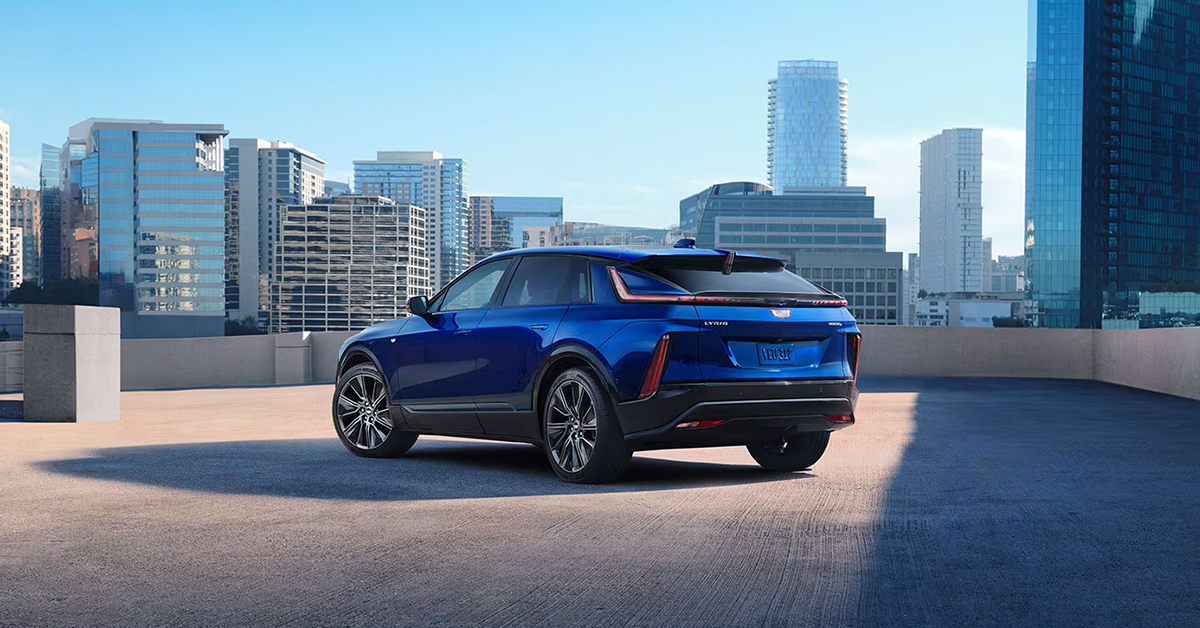
Choosing between the Tesla Model 3 and the Cadillac Lyriq in 2026 comes down to understanding both their drawbacks and their strengths. The Model 3’s minimalist interior, sedan-sized space, and feature paywalls can feel limiting for shoppers seeking comfort and premium refinement, while the Lyriq’s larger footprint, advanced technology, and luxury-focused design introduce considerations around size and price. Comparing these downsides side by side helps clarify which electric vehicle better aligns with daily driving needs, long-term ownership expectations, and luxury priorities.
At Crestview Cadillac, our team is here to help you navigate every step of your vehicle journey with confidence. From exploring a Cadillac Lyriq for sale to expert service, genuine parts, and personalized support, we are committed to meeting all your automotive needs. Contact Crestview Cadillac today or call us to learn more and experience the difference our dealership brings to your EV shopping experience.
How Do the Core Downsides Compare Between the Tesla Model 3 and Cadillac Lyriq?
When comparing the downsides of the Tesla Model 3 to the Cadillac Lyriq, the contrast begins with purpose. The Model 3 is engineered as a compact electric sedan that prioritizes efficiency and a stripped-down driving experience, while the Lyriq is built as a luxury electric SUV with comfort, space, and refinement at the forefront. Those different goals shape where each vehicle makes compromises, and which trade-offs drivers will notice most.
The Tesla Model 3 tends to fall short for shoppers who expect a traditional luxury feel. Nearly all controls are routed through a central touchscreen, which can feel unintuitive during daily driving. The lower seating position and tighter rear space also limit long-ride comfort and cargo flexibility, especially for households that carry passengers, luggage, or equipment on a regular basis. These downsides may not be obvious on a short test drive, but can stand out over time.
The Lyriq approaches its compromises differently. Its larger size can feel less nimble in tight parking situations, and its premium positioning places it above entry-level EV pricing. In return, drivers gain a quieter cabin, a more elevated driving position, and a layout that feels intentionally designed for comfort rather than minimalism. For many luxury-focused buyers, those trade-offs feel more practical in everyday use.
At a glance, the key differences in drawbacks tend to fall into a few areas:
- Interior usability – The Model 3’s minimalist design reduces physical controls, while the Lyriq emphasizes intuitive technology and a more traditional luxury layout.
- Passenger and cargo space – A sedan profile limits versatility in the Model 3, whereas the Lyriq offers the flexibility expected from a premium electric SUV.
- Ride quality and comfort – Firmer suspension tuning is more noticeable in the Model 3, while the Lyriq favors smoothness and cabin isolation.
For drivers weighing these two EVs, the decision often comes down to how much comfort, space, and refinement matter in everyday driving. Exploring the Lyriq in person can help clarify whether its approach to luxury and usability better aligns with your expectations, and a visit to Crestview Cadillac offers the opportunity to experience that difference firsthand.
Where Does the Tesla Model 3 Fall Short in Overall Luxury and Presence?
Luxury is often felt before it is measured, and this is where the Tesla Model 3 can leave some drivers wanting more. From the moment you approach it, the compact sedan profile blends into traffic rather than standing out. For shoppers who associate luxury with presence, craftsmanship, and a sense of arrival, the Model 3 can feel more functional than special.
Inside the cabin, the design continues that theme. The minimalist layout removes most traditional touchpoints that drivers expect in a premium vehicle. While the simplicity appeals to some, others miss the richness that comes from layered materials, ambient lighting, and thoughtful details. The experience can feel sparse rather than refined, especially on longer drives where comfort and atmosphere matter more.
Common luxury-related drawbacks drivers notice include:
- Interior materials – Surfaces are clean and modern but lack the depth and visual warmth typically associated with high-end vehicles.
- Design presence – The exterior styling is subtle and aerodynamic, which can make it feel understated compared to more sculpted luxury EVs.
- Cabin ambiance – Limited customization and lighting options make the interior feel less personalized over time.
By comparison, stepping into a Cadillac Lyriq immediately changes the tone. The elevated seating position, expansive display, and refined finishes create a stronger sense of occasion, even during routine drives. Its size and design convey confidence, making it feel equally at home pulling into a restaurant valet or a residential driveway after a long day.
For drivers seeking a vehicle that delivers more than efficiency and technology, exploring a Cadillac Lyriq for sale can highlight what the Model 3 leaves behind. Visiting Crestview Cadillac allows you to experience that difference firsthand, from the craftsmanship of the interior to the commanding presence that defines a true luxury electric SUV.
What Interior Design Trade-Offs Might Turn Buyers Away From the Model 3?
The Tesla Model 3 is celebrated for its minimalist interior, but that simplicity comes with trade-offs that can be a dealbreaker for some drivers. The focus on a single central touchscreen means there are very few physical controls for common functions like climate, audio, and turn signals. While tech enthusiasts may appreciate the sleek look, many drivers find themselves fumbling through menus while on the move, which can feel distracting or unintuitive.
Other Model 3 drawbacks in 2026 in interior design include:
- Limited tactile controls – Most functions rely on touch input, leaving no physical buttons for quick adjustments.
- Rear passenger comfort – The back seats have less headroom and legroom than larger EVs, which can feel cramped for adults or taller passengers.
- Storage and practicality – While the sedan offers a front trunk and rear cargo space, the compartments are smaller and less versatile compared to SUV layouts.
By contrast, the Lyriq’s interior takes a more traditional luxury approach while still embracing advanced technology. Its 33-inch curved LED display feels integrated rather than overwhelming, and physical details like ambient lighting, premium materials, and adjustable seating enhance both comfort and usability. Rear passengers benefit from generous legroom, and the larger cargo area makes day trips, sports gear, or family errands much easier to handle.
For drivers who value a refined, functional, and technology-forward interior without sacrificing comfort, the Lyriq offers a more balanced experience. Experiencing the difference firsthand at Crestview Cadillac can make the advantages of a luxury electric SUV clear, allowing you to see why some buyers move away from the Model 3 in favor of a vehicle built for everyday comfort and sophistication.
How Does Ride Comfort and Noise Isolation Differ Between These EVs?
When it comes to daily driving, ride comfort and noise isolation can make a big difference in how enjoyable your time behind the wheel feels. In a Model 3 vs Lyriq EV comparison, the differences are noticeable from the first turn of the key. The Tesla Model 3 has a sportier, firmer suspension that emphasizes handling and road feedback. While this can be engaging on twisty roads, it also means that bumps, potholes, and uneven pavement are felt more sharply inside the cabin.
Noise isolation is another area where the Model 3 shows its minimalist focus. Wind and road noise are more present at highway speeds, and the cabin can feel less insulated compared to larger, more luxury-oriented EVs. For drivers who spend a lot of time commuting or enjoy long road trips, this can start to affect comfort over time.
By contrast, the Lyriq prioritizes a smoother, quieter ride. Features like active noise cancellation, well-tuned suspension, and a more substantial chassis help absorb road imperfections while keeping cabin noise to a minimum. Passengers in the back seat also enjoy a calmer, more serene environment, making long drives feel effortless.
Key differences in ride comfort and isolation include:
- Suspension and handling – The Model 3 favors firm, responsive handling, while the Lyriq focuses on smooth, controlled motion.
- Cabin quietness – Wind, tire, and road noise are more noticeable in the Model 3, whereas the Lyriq benefits from sound-dampening materials and active noise control.
- Passenger experience – Back-seat occupants in the Lyriq enjoy more consistent comfort and reduced fatigue on longer trips.
For drivers who value a serene and comfortable driving experience without sacrificing performance, the Lyriq stands out. Visiting Crestview Cadillac to test drive the Lyriq allows you to feel firsthand how ride comfort and noise isolation elevate everyday driving beyond what the Model 3 offers.
Are Range and Charging Convenience a Weak Spot for the Model 3?
One of the most practical concerns for electric vehicle drivers is range and charging accessibility, and this is where the Tesla Model 3 can reveal some limitations. While the Model 3 offers competitive EPA-estimated range, real-world conditions like highway driving, heavy use of climate controls, and high-speed acceleration can reduce its efficiency. For drivers who regularly commute longer distances or plan weekend trips, this can require more frequent charging stops than expected.
Charging convenience also varies depending on location. Tesla’s Supercharger network is extensive, but availability can be unpredictable during peak travel times. Relying solely on public charging may mean waiting for an open station or adjusting your route to accommodate charging needs. This is a key consideration in any Tesla Model 3 downsides vs Cadillac Lyriq discussion.
In comparison, the Lyriq provides a more flexible approach to charging and range. With an EPA-estimated 326 miles on a single charge for the standard rear-wheel-drive model, it covers most daily driving needs with room to spare. Fast-charging capabilities also allow up to 86 miles of range in roughly 10 minutes, giving drivers more confidence for longer trips and reducing downtime.
Key points to consider in range and charging differences include:
- Real-world range – Model 3 efficiency varies under load, while the Lyriq maintains strong range across typical driving conditions.
- Charging infrastructure – Tesla relies heavily on Superchargers, whereas the Lyriq supports a growing network of public fast chargers along with convenient home charging options.
- Daily practicality – Longer trips and spontaneous travel feel less restricted in the Lyriq thanks to its larger battery and quicker charging times.
For drivers who want peace of mind knowing that range and charging won’t limit their plans, exploring the Lyriq at Crestview Cadillac can highlight the advantages in convenience and capability. Experiencing the Lyriq firsthand helps illustrate why many drivers see it as a more practical choice for daily driving and weekend adventures.
What Are the Limitations of Tesla’s Driver Assistance Features in 2026?
Tesla’s driver assistance systems have made headlines for their advanced technology, but they come with limitations that drivers should understand. Features like Autopilot and Full Self-Driving (Supervised) provide a higher level of assistance than traditional cruise control, yet they require constant driver attention. Many drivers assume these systems operate autonomously, but real-world use still demands vigilance, especially in complex traffic situations or poorly marked roads.
Some of the notable limitations of Tesla’s driver assistance include:
- Hands-on requirement – Even with Full Self-Driving enabled, drivers must keep their hands on the wheel and remain engaged at all times.
- Feature variability – Certain functions, like automatic lane changes or smart summon, may not perform consistently depending on road conditions and software updates.
- Learning curve – The system’s reliance on camera-based sensors rather than radar can affect performance in adverse weather, requiring drivers to adapt their expectations.
By contrast, the Lyriq approaches hands-free driving differently. Its Super Cruise technology provides true hands-free driving on compatible roads, with seamless lane-keeping, adaptive speed, and driver attention monitoring that enhances safety without creating confusion. The system feels intuitive and gives drivers more confidence during long drives or heavy traffic situations.
For shoppers evaluating electric vehicles, seeing the Lyriq in action highlights how driver assistance can be both advanced and reliable. Visiting Crestview Cadillac to explore a Cadillac Lyriq for sale allows you to experience the difference firsthand and understand why some drivers prefer a system designed for clarity, ease of use, and consistent performance.
How Does Cargo Space and Practicality Compare for Everyday Use?
For many drivers, cargo space and everyday practicality are as important as performance and technology. In a Model 3 drawbacks 2026 comparison, the compact sedan layout can feel restrictive. While the Model 3 offers a front trunk and rear cargo area, both compartments are smaller than what many drivers need for regular errands, weekend getaways, or transporting sports equipment. The lower ride height can also make loading bulky items more awkward.
The Lyriq takes a different approach, embracing the benefits of an electric SUV. Its larger interior and flexible cargo layout provide more space for passengers and gear. Rear seats fold flat to create a generous cargo area, and the higher ride height makes loading and unloading easier, whether it’s groceries, luggage, or recreational equipment.
Key differences in practicality include:
- Cargo volume – The Model 3’s trunk space is limited, whereas the Lyriq offers an SUV-sized cargo area that adapts to different needs.
- Passenger versatility – Taller passengers may feel cramped in the rear of the Model 3, while the Lyriq provides ample legroom and headroom for adults.
- Everyday usability – Features like hands-free liftgates, wide-opening doors, and flat-folding rear seats make the Lyriq more convenient for family use and daily activities.
For drivers who need a vehicle that balances electric performance with practical versatility, the Lyriq delivers a more accommodating experience. Visiting Crestview Cadillac to explore a Lyriq firsthand allows you to see how its design supports everyday life while maintaining a luxury feel, giving a clear perspective on what compact sedans like the Model 3 may leave behind.
Does the Tesla Model 3 Feel Less Versatile for Long-Term Ownership?
When considering electric vehicles for long-term use, versatility goes beyond initial performance or style. In a Model 3 vs Lyriq EV comparison, the Model 3 can feel limited over time due to its compact dimensions, minimalist interior, and smaller cargo capacity. For drivers planning to keep a vehicle for several years, these trade-offs may become more noticeable, especially as lifestyle needs evolve.
The Model 3’s cabin and trunk space are sufficient for daily commuting or short trips, but larger families, frequent travelers, or those who carry sports gear or bulky items may find themselves constrained. Over the years, adding aftermarket storage solutions or adjusting driving habits can help, but these workarounds may not match the natural flexibility of a larger vehicle.
In contrast, the Lyriq’s design supports a wider range of long-term needs:
- Passenger adaptability – Spacious rear seating and higher rooflines accommodate growing families or adult passengers with ease.
- Cargo flexibility – Fold-flat rear seats and generous storage options make weekend trips, grocery runs, or even moving small furniture much simpler.
- Comfort over time – Advanced suspension and sound insulation help maintain a relaxing ride, even as mileage and driving conditions accumulate.
For drivers who want an EV that adapts to changing lifestyle demands without compromise, the Lyriq offers a compelling option. Visiting Crestview Cadillac to experience the Lyriq firsthand makes it easy to see how its versatility and comfort support long-term ownership, highlighting practical benefits that a compact sedan may not provide over the years.
How Do Pricing Structures and Feature Packaging Affect Value Perception?
When evaluating electric vehicles, price alone doesn’t tell the full story. In a Tesla Model 3 downsides vs Cadillac Lyriq comparison, the way features are packaged and priced can significantly influence how drivers perceive value. The Model 3 starts at a relatively affordable entry point, but many advanced features, such as Full Self-Driving, premium audio, and enhanced interior options, come as expensive add-ons. This can make the total cost higher than initially expected and leave buyers questioning the overall value for a vehicle that already has trade-offs in space and comfort.
The Lyriq approaches pricing differently, offering trims that bundle premium technology, luxury materials, and convenience features more comprehensively. Buyers gain confidence knowing that essential amenities and advanced driver assistance systems are included rather than sold separately. While the starting price is higher, many drivers find that the all-in-one approach provides clearer value over time.
Key points in comparing value perception include:
- Transparency of features – The Model 3 often requires optional upgrades to unlock a full suite of technology, while the Lyriq includes advanced systems and comfort features in standard or well-defined trim levels.
- Cost versus experience – The base Model 3 may seem affordable, but adding must-have options can approach or exceed the price of a fully equipped Lyriq, which already delivers luxury, range, and versatility.
- Long-term ownership satisfaction – Comprehensive features and thoughtful packaging in the Lyriq reduce the need for aftermarket additions and enhance the sense of value over the life of the vehicle.
For drivers looking for an electric vehicle that balances cost, features, and luxury in a single package, experiencing a Lyriq at Crestview Cadillac provides clarity. Seeing the thoughtfully equipped trims in person demonstrates why many buyers feel they receive more value and peace of mind compared to adding numerous options to a compact sedan.
Which EV Better Matches the Expectations of Luxury-Focused Buyers in 2026?
For buyers who prioritize luxury, the choice of an electric vehicle goes beyond range or acceleration. In this segment, attention to comfort, craftsmanship, technology, and overall presence defines the experience. While the Tesla Model 3 offers cutting-edge tech and efficiency, it may feel minimalistic and utilitarian compared to vehicles designed specifically with luxury in mind.
The Lyriq, on the other hand, delivers a package that aligns closely with traditional luxury expectations. From the 33-inch curved LED display and premium cabin materials to hands-free driver assistance and smooth ride quality, every detail is designed to create a sense of refinement. Passengers benefit from spacious seating, ambient lighting, and thoughtful interior touches that make each drive feel intentional and composed.
Key factors that luxury-focused buyers tend to value include:
- Interior design and materials – The Lyriq emphasizes craftsmanship and attention to detail, while the Model 3’s minimalist cabin can feel stark to some.
- Technology and convenience – Integrated infotainment, driver assistance, and ambient features in the Lyriq create a cohesive experience that enhances usability and comfort.
- Presence and refinement – The Lyriq’s design, ride quality, and cabin quietness convey a sense of prestige that resonates with drivers seeking a true luxury feel.
For anyone seeking an electric vehicle that meets high standards of luxury and usability, exploring a Cadillac Lyriq for sale at Crestview Cadillac is a great first step. Experiencing its combination of design, technology, and comfort firsthand demonstrates why it often appeals more strongly to buyers who want a full luxury experience without compromise.
Frequently Asked Questions: Tesla Model 3 vs Cadillac Lyriq for Luxury EV Buyers
Shoppers comparing electric vehicles often want quick, honest answers to common concerns before moving forward. These frequently asked questions address ownership challenges, comfort, and long-term value to help clarify how these two EVs differ in everyday use.
What are the most significant downsides of the Tesla Model 3 when compared to the Cadillac Lyriq?
The Model 3 leans heavily into minimalism, which can feel sparse for buyers expecting a true luxury experience. Interior materials are simpler, ride quality is firmer, cabin noise is more noticeable, and cargo space is limited. The Lyriq delivers a more upscale cabin, smoother ride, and added comfort features that come standard rather than as paid upgrades.
How might range, charging access, and dealer support make Model 3 ownership harder than Lyriq ownership?
While the Model 3 offers a competitive range on paper, real-world driving can reduce it more quickly, especially in stop-and-go traffic or highway use. Charging access may also vary depending on location. The Lyriq pairs strong range estimates with broad charging compatibility and the added convenience of in-person dealer support for questions, service, and ownership guidance.
What reliability or service-network disadvantages could Model 3 buyers face versus Lyriq buyers?
Tesla’s service network is more limited, which can result in longer wait times or extended travel for repairs. Cadillac benefits from a nationwide dealership network with established service departments, giving Lyriq owners easier access to maintenance and warranty support.
For buyers needing family practicality, what limitations of the Model 3 are most important?
Rear-seat space is tighter, trunk capacity is smaller, and the lower ride height can make entry, exit, and loading more difficult. The Lyriq’s SUV design offers more passenger room, better cargo flexibility, and a higher seating position that suits family and daily driving needs.
Are there regulatory or software update concerns unique to Tesla that affect Model 3 buyers more than Lyriq owners?
Tesla relies heavily on over-the-air software updates and subscription-based features, which can limit access or functionality over time. Cadillac provides updates and feature support through a traditional dealer-backed system, offering a more predictable ownership experience.
Explore Your Next Electric Vehicle With Crestview Cadillac
Choosing the right EV goes beyond numbers on a spec sheet. Comfort, long-term ownership costs, service access, and everyday usability all matter when weighing luxury-focused electric vehicles. Having clear comparisons and local guidance helps turn research into confident decisions.
At Crestview Cadillac, drivers from Azusa, Glendora, Duarte, and San Dimas can explore a wide selection of vehicles, including the Lyriq, while getting straightforward answers about ownership expectations in 2026. Seeing the vehicle in person often highlights details that online research alone cannot, especially when luxury, space, and ride quality are priorities.
If you are continuing your research, you may also find value in reviewing other Cadillac-focused EV comparisons, including insights on Tesla Model S vs Escalade IQ, Tesla Model X vs Escalade, and Lyriq Sport vs Kia EV6. Each comparison highlights different ownership considerations that can help narrow down what truly fits your lifestyle. When you are ready to take the next step, Crestview Cadillac makes it easy to keep exploring online or speak directly with our team. Browse our inventory, learn more about the Lyriq, or contact us for personalized guidance and discover an electric vehicle experience built around luxury, confidence, and long-term satisfaction.
Get Directions to Crestview Cadillac
Disclaimer: All information is provided for general informational and entertainment purposes only. While we strive for accuracy, we cannot guarantee that all content is complete, current, or error-free. Any reliance you place on such information is strictly at your own risk. This article may include opinions and is not endorsed by, or officially affiliated with, any vehicle manufacturer or brand. Always consult official sources – such as the vehicle’s owner’s manual, authorized dealerships, or certified professionals – for the most up-to-date and personalized information.
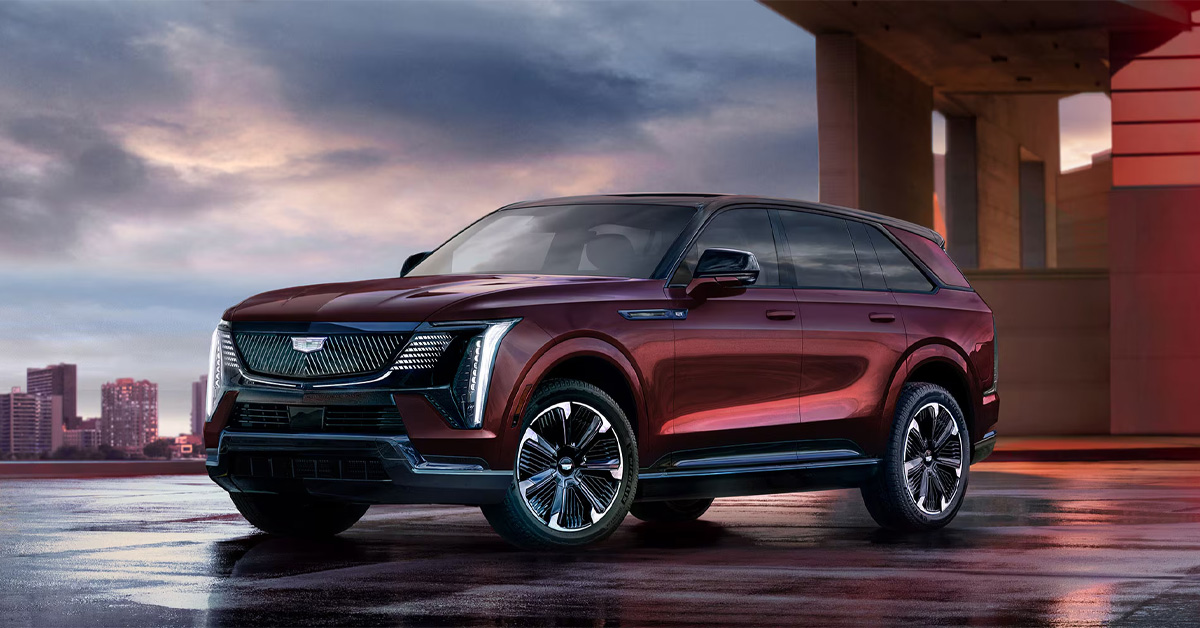
The Tesla Model S offers incredible acceleration and cutting-edge technology, but it comes with long-term ownership challenges, charging limitations, and practicality concerns for families or daily drivers. The Cadillac Escalade IQ counters these issues with spacious seating, versatile cargo options, and a long-range electric powertrain that balances luxury with everyday usability. Comparing these two vehicles highlights the key downsides of the Model S, while showing why the Escalade IQ is a compelling alternative for those seeking a reliable, high-performance electric SUV.
At Crestview Cadillac, we are committed to helping drivers in Azusa, Glendora, Duarte, and San Dimas find the right vehicle to fit their lifestyle. Our team is ready to assist with sales, service, parts, and everything in between, ensuring a seamless experience from start to finish. Contact us today or give us a call to explore the Cadillac Escalade IQ and see how it can meet your automotive needs.
What challenges might owners face with the Tesla Model S long-term?
The Tesla Model S is known for speed and tech, but long-term ownership comes with some challenges. When compared to the Escalade IQ, the Model S may not be as practical for everyday use or family life. Drivers considering a high-performance electric vehicle should be aware of potential downsides.
Some of the key challenges include:
- Battery degradation over time – All EVs lose some range with age, and Tesla’s high-performance batteries may lose capacity faster under heavy use.
- Repair costs – Parts and repairs for the Model S can be expensive, and some fixes may require specialized service centers.
- Interior and exterior wear – Fit and finish issues have been reported, which can affect resale value.
- Charging limitations – While Superchargers are fast, long trips require careful planning, especially in areas with fewer stations.
- Technology updates – Frequent software updates can change features unexpectedly, and some updates may cause glitches temporarily.
For those looking for a more practical alternative, the Escalade IQ provides long-range electric power, spacious seating, and fewer long-term maintenance concerns. It balances performance and everyday usability, making it easier to live with every day.
How does charging convenience differ between the Model S and Escalade IQ?
Charging convenience is a key factor for electric vehicle owners. The Tesla Model S offers access to a large Supercharger network, making long trips easier. However, home charging can be slower without a dedicated high-speed setup.
The Cadillac Escalade IQ offers a different approach. It comes with multiple charging options and a high-capacity battery designed for longer range. For those considering a Cadillac Escalade IQ for sale, its charging flexibility can reduce planning stress on trips.
Key differences include:
- Charging speed – The Model S can gain up to 200 miles in 15 minutes at a Supercharger, while the Escalade IQ can add around 117 miles in the same time at DC fast chargers.
- Home charging – Escalade IQ offers higher-capacity AC charging for faster home top-ups. Model S may need specialized equipment for similar speed.
- Range per charge – The Escalade IQ can travel up to 465 miles, which can reduce stops, while the Model S offers around 410 miles (EPA estimated).
- Charging network access – Tesla’s Supercharger network is extensive but limited to Tesla vehicles, while Escalade IQ can use a growing number of CCS public chargers.
Overall, the Escalade IQ provides practical options for daily life and long drives, making it easier for families and drivers who value flexibility.
What are the limitations in passenger and cargo space?
Passenger and cargo space can be a deciding factor for many drivers. The Tesla Model S offers a sleek, sporty interior, but it has limited room for adults in the rear seats. Taller passengers may feel cramped on longer trips. Cargo space is also smaller, with a trunk and front “frunk” that provide less storage for large items.
The Cadillac Escalade IQ focuses on practicality and comfort. With three rows of seating, it can carry more passengers comfortably. Cargo space is generous, and the seats fold flat to expand storage. For families or those who carry a lot of gear, the Escalade IQ offers clear advantages over the Model S.
Key differences include:
- Passenger comfort – Escalade IQ has room for seven or eight adults, while Model S seats five with less legroom in back.
- Cargo capacity – Escalade IQ provides up to 84 cubic feet with seats down, Model S offers about 28 cubic feet combined.
- Flexibility – Escalade IQ allows folding seats and removable floor panels for larger loads, unlike Model S.
- Everyday practicality – Model S charging vs Escalade IQ practicality shows that larger storage and seating can reduce daily stress for families and travelers.
Overall, the Escalade IQ delivers more space and versatility, making it a stronger choice for those who need room for people and cargo.
Are there differences in technology usability and reliability?
Technology plays a big role in daily driving. The Tesla Model S offers cutting-edge features, including large touchscreens, autopilot, and over-the-air updates. These innovations are impressive but may require patience for long-term ownership. Some systems can be tricky to learn, and repairs can be costly if issues arise.
The Cadillac Escalade IQ balances advanced tech with user-friendly design. Its infotainment and driver assistance systems are intuitive and easier to navigate. Updates are straightforward, and reliability tends to be strong over time. For drivers who want a mix of innovation and peace of mind, the Escalade IQ may feel less stressful than a Model S.
Key points to consider:
- Ease of use – Escalade IQ menus and controls are simple, while Model S screens require more learning.
- Software updates – Model S updates improve features, but sometimes introduce bugs or glitches.
- Long-term ownership – Model S long-term ownership may involve tech repairs that are costly or time-consuming.
- Reliability – Escalade IQ focuses on proven systems, reducing unexpected maintenance and service needs.
Overall, technology in the Escalade IQ is designed for comfort and reliability, while the Model S prioritizes cutting-edge innovation with some learning curves.
How does performance impact daily driving comfort?
Performance affects how a vehicle feels on the road every day. The Tesla Model S delivers fast acceleration and sharp handling, but this can sometimes make rides stiff or harsh, especially on rough roads. In contrast, the Cadillac Escalade IQ focuses on smooth driving, with a suspension tuned for comfort over sporty performance.
Daily driving comfort also depends on responsiveness and ease of control. The Escalade IQ absorbs bumps and road imperfections well, making long trips less tiring. The Model S can feel firm, and some drivers may notice a harsher ride in certain conditions.
Key points to keep in mind:
- Ride quality – Escalade IQ prioritizes smoothness, while Model S can feel stiff on rough streets.
- Handling – Model S is nimble, but the sporty feel can compromise comfort.
- Road noise – Escalade IQ insulation keeps the cabin quiet, improving long drives.
- Daily usability – Smooth rides reduce stress for passengers and drivers, especially in city traffic.
Overall, the Tesla Model S downsides vs Cadillac Escalade IQ are clear in daily comfort, as the Escalade IQ offers a calmer, more relaxed driving experience.
What cost considerations might influence ownership decisions?
Owning a luxury electric vehicle comes with unique costs that can affect long-term decisions. The Tesla Model S can have high repair and battery replacement expenses as it ages. In contrast, the Cadillac Escalade IQ focuses on lower maintenance needs and longer-lasting parts, which can ease ownership stress.
Other costs to consider include insurance, charging setup, and depreciation. While fast charging is convenient, home charging equipment can add to initial costs. Escalade IQ models offer a balance of technology, comfort, and efficiency, which may reduce long-term expenses.
Key points to keep in mind:
- Initial price – Cadillac Escalade IQ for sale may cost less than a fully loaded Model S.
- Maintenance – Escalade IQ parts and service are more predictable than Model S repairs.
- Energy costs – Charging at home or public stations adds up, especially for long trips.
- Resale value – Vehicles with lower upkeep and reliability often retain value longer.
Considering these factors can help drivers choose the best option for comfort, convenience, and long-term cost.
How does practicality for everyday life compare?
Daily life with a luxury electric vehicle can vary depending on space, convenience, and ease of use. The Tesla Model S offers sleek design and fast acceleration, but long drives may require careful planning due to charging stops. The Cadillac Escalade IQ provides more cargo space and room for passengers, making everyday errands and family trips easier.
Other practical differences include access to charging and interior layout. Escalade IQ can handle groceries, luggage, and gear with less effort, while Model S charging requires more time and route planning.
Key points for everyday practicality:
- Passenger space – Escalade IQ comfortably seats more people for school, work, or trips.
- Cargo room – Groceries, sports gear, and luggage fit more easily in the Escalade IQ.
- Charging needs – Model S charging requires planning for long drives, while Escalade IQ offers more flexible options.
- Ride comfort – Escalade IQ delivers a smooth ride for all occupants on daily drives.
Overall, Escalade IQ balances style and function, while Model S demands more planning for daily routines.
Which downsides are most important for drivers in the San Gabriel Valley area?
Drivers in the San Gabriel Valley face a mix of city traffic, freeway commutes, and weekend trips. For long-term ownership, Model S factors like charging needs, limited cargo space, and maintenance costs may weigh more heavily. In contrast, vehicles with more room and easier charging, such as the Escalade IQ, can simplify daily life.
Key considerations for local drivers:
- Charging access – Planning for long drives in the Model S can be challenging, especially outside city limits.
- Passenger and cargo space – Commuters or families may find limited space restrictive for errands or road trips.
- Maintenance and repairs – Some repairs can take longer or cost more, impacting long-term ownership.
- Daily comfort – Stop-and-go traffic in the area may highlight ride and handling differences.
For drivers who need a mix of convenience, space, and comfort, these downsides can influence which vehicle fits best for life in the San Gabriel Valley.
Frequently Asked Questions: Downsides of the Tesla Model S vs Cadillac Escalade IQ [2026]
Many drivers want clear answers when weighing electric vehicles against luxury SUVs. These FAQs cover key concerns about ownership, convenience, and daily use.
How does charging dependence and range variability create downsides for Model S owners when compared to the Escalade IQ?
Model S owners must plan trips carefully due to variable real-world range and charging station availability. Escalade IQ offers more predictable charging times and broader support for home and public outlets.
What service-network or parts-availability issues are more pronounced for the Model S than Escalade IQ?
Tesla’s service network is smaller, and some repairs or replacement parts can take longer. Cadillac has more dealerships and readily available parts, reducing downtime.
Which model is more likely to impose lifestyle compromises (charging time, available outlets) on the owner?
The Model S is more likely to affect daily routines due to longer charging times and limited access to fast chargers in some areas. Escalade IQ is generally more flexible for everyday use.
How do cabin practicality and seating flexibility differ in ways that disadvantage the Model S?
The Model S has limited rear-seat space and cargo flexibility compared with Escalade IQ, which offers more room for passengers, storage, and fold-flat seating options.
Are there software or OTA update risks in the Model S that could lead to downtime not seen with Escalade IQ?
Model S relies heavily on over-the-air updates, which can occasionally cause system glitches or temporary downtime. Escalade IQ uses more traditional, dealer-managed updates with fewer risks of disruption.
Explore More Luxury EV Insights at Crestview Cadillac
If you want to explore a luxury SUV that blends comfort, technology, and practicality, Crestview Cadillac is here to help. Drivers from Azusa, Glendora, Duarte, and San Dimas can see our wide selection of vehicles, including the Escalade IQ, and find the right fit for their daily needs.
For more insights on luxury EVs, check out our guides on Tesla Model X vs Escalade, LYRIQ Sport vs EV6 Wind, and LYRIQ vs Audi Q8. Contact our team today to schedule a visit, explore our inventory, or speak with a knowledgeable associate about your options.
Get Directions to Crestview Cadillac
Disclaimer: All information is provided for general informational and entertainment purposes only. While we strive for accuracy, we cannot guarantee that all content is complete, current, or error-free. Any reliance you place on such information is strictly at your own risk. This article may include opinions and is not endorsed by, or officially affiliated with, any vehicle manufacturer or brand. Always consult official sources – such as the vehicle’s owner’s manual, authorized dealerships, or certified professionals – for the most up-to-date and personalized information.
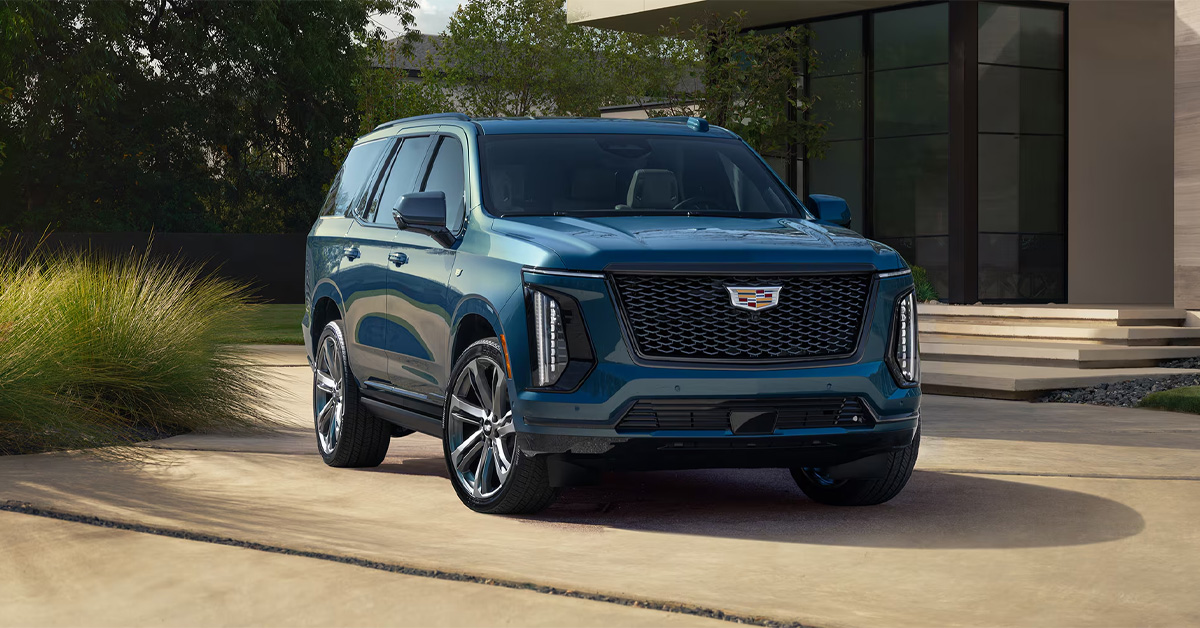
Choosing between the Tesla Model S and the Cadillac Escalade in 2026 comes down to understanding where each vehicle falls short for certain buyers. A high-performance electric sedan can deliver speed and efficiency, but it may struggle with space, versatility, and everyday convenience when compared to a full-size luxury SUV. These sedan vs SUV buyer downsides highlight the real-world trade-offs shoppers face when weighing Tesla Model S downsides vs Cadillac Escalade capability, comfort, and presence.
Crestview Cadillac is here to help you navigate those decisions with confidence. From exploring a Cadillac Escalade for sale to expert service, genuine parts, and long-term ownership support, our team is committed to your complete automotive experience. Contact Crestview Cadillac today or stop by to see how we can assist with your next vehicle and every mile that follows.
What Are Buyers Really Comparing in a Model S vs Escalade Decision?
When buyers compare a Tesla Model S and an Escalade, they are not just looking at price or power. The real question centers on how each vehicle fits daily life. Tesla Model S downsides vs Cadillac Escalade differences often appear when needs go beyond speed and range.
One option is a sleek electric sedan built for fast drives and tech focus. The other is a full-size luxury SUV designed for space, comfort, and presence. These two vehicles serve very different goals, which makes the choice less about brand and more about use.
Buyers often weigh these key factors when deciding:
- Passenger space and seating needs
- Cargo room for trips, gear, or family use
- Ride height and road view
- Ease of long trips and daily errands
Sedan and SUV choices also shape how drivers feel behind the wheel. A lower car can feel quick and sharp. A larger SUV can feel calm, strong, and secure. These traits matter more over time than specs alone.
The Escalade appeals to drivers who value room and ease. It supports busy lives, long drives, and shared trips. That contrast explains why buyers often pause when comparing these two luxury options.
How Does Body Style Create Practical Downsides for a Luxury Sedan?
Body style shapes how a vehicle works in real life. A low sedan can feel sleek, but that design brings limits. These limits show up fast in daily use.
A lower ride height can make entry harder for some drivers. It can also reduce road view in traffic. Steep driveways and rough roads may feel less forgiving.
Sedans often face space limits tied to their shape:
- Less headroom for tall riders
- Tighter rear seating for adults
- Lower ground clearance on uneven roads
An SUV offers a very different feel. The higher seat gives a clear view ahead. The tall build also supports easier loading and exit.
These traits help explain why shoppers look for a Cadillac Escalade for sale when space and ease matter. The SUV body style supports busy days, shared trips, and long drives with less strain.
Why Can Interior Space Be a Dealbreaker When Comparing These Vehicles?
Interior space is one of the biggest factors when deciding between a Tesla Model S and an Escalade. Model S vs Escalade trade-offs often show most clearly here. A sedan may feel stylish, but it can limit passenger comfort and cargo options.
The lower roof and compact rear cabin make long trips less comfortable for adults. Tall passengers may find their heads or knees cramped. Trunk space, while sufficient for daily errands, can fall short on family trips.
Key differences in interior space include:
- Passenger legroom, especially in the rear seats
- Headroom for taller adults
- Cargo capacity for luggage, sports gear, or groceries
- Flexibility of folding seats for extra storage
The Escalade solves many of these space challenges. Its roomy three rows and high cargo capacity make travel easier. This is why drivers often weigh an Escalade when interior comfort and storage matter most.
What Cargo and Storage Limitations Should Model S Shoppers Consider?
For many buyers, cargo space is a key factor when comparing sedans to SUVs. Sedan vs SUV buyer downsides often show up here. While a sedan looks sleek, its storage may not meet all practical needs.
The trunk may fit daily items, but larger cargo can be tricky. Folding rear seats help, yet the low roof and narrow hatch limit bulky items. For families or frequent travelers, this can be a real concern.
Common cargo limitations include:
- Limited room for luggage or sports gear
- Tight space for strollers or large boxes
- Difficulty loading taller or wider items
- Minimal under-floor or hidden storage compared to an SUV
SUVs provide higher cargo volume and flexible seating options, making packing easier. Buyers who value space often see an SUV as the practical choice.
Are Performance Numbers Always Practical for Everyday Driving?
High performance can be exciting, but it is not always practical for daily use. Tesla Model S downsides vs Cadillac Escalade often show that raw speed may matter less than comfort and control. Most drivers rarely push a car to full power on regular roads.
Some performance factors can affect everyday practicality:
- Rapid acceleration may use more energy and reduce range
- Low ride height can make speed bumps or curbs tricky
- Sport-tuned suspension may feel stiff in city traffic
- High-powered brakes may require more maintenance and attention
The Escalade offers strong performance but balances power with ride comfort and space. For buyers who need speed occasionally, sedans can thrill, but an SUV often works better for daily life.
How Do Charging and Refueling Differences Impact Ownership Convenience?
The way a vehicle refuels or charges can greatly affect daily life. Electric cars need access to charging stations, while traditional gas-powered SUVs fill up quickly at any gas station. Tesla Model S owners may spend extra time planning longer trips.
Key factors to consider include:
- Charging stations may be scarce in rural areas
- Home charging can take hours, even overnight
- Gas SUVs can refuel in minutes and continue driving
- Range anxiety can impact long trips or frequent travel
For buyers who value convenience and minimal downtime, a Cadillac Escalade for sale provides predictable fueling and easier long-distance travel. This can make everyday driving smoother and less stressful.
What Are the Downsides of Relying Heavily on Touchscreen Controls?
Many modern sedans depend on large touchscreens to handle most controls. While sleek and high-tech, this design can create challenges for everyday use. Model S vs Escalade trade-offs show that ease of use and safety can be affected.
Key concerns include:
- Drivers may take eyes off the road to adjust settings
- Small on-screen buttons can be hard to hit while moving
- Quick adjustments, like climate or audio, may take longer
- Traditional knobs and switches are often faster and more intuitive
In contrast, the Escalade keeps many controls accessible with physical buttons and dials. This can make driving safer and less distracting, especially in busy traffic.
How Do Advanced Driver Assistance Systems Compare in Real Use?
Advanced driver assistance systems can make driving easier, but they have limits in day-to-day use. Sedan vs SUV buyer downsides often show up when these systems face real traffic, weather, or road conditions.
Key points to consider include:
- Lane keeping may drift on narrow or poorly marked roads
- Adaptive cruise control can be slow to react in stop-and-go traffic
- Some systems struggle with heavy rain, snow, or glare
- Alerts and warnings may feel frequent or distracting for some drivers
SUVs often offer a more forgiving view and higher seating, which can make ADAS feel easier to trust. Sedans may provide sharper handling but require more driver attention when relying on these systems.
Why Does Size Matter When Choosing a Luxury Family Vehicle?
Size plays a major role in how practical a luxury vehicle is for families. Tesla Model S downsides vs Cadillac Escalade often show up when space, comfort, and utility are key. Smaller sedans may feel sleek but can limit passenger room and cargo capacity. Larger SUVs, like the Escalade, provide more flexibility for daily life, trips, and family needs.
Consider these factors:
- Passenger room: Taller and longer vehicles allow more leg and headroom for adults and kids
- Cargo space: SUVs offer larger trunks and storage areas for gear, groceries, or luggage
- Seating flexibility: Third rows and fold-flat seats make it easier to adjust for more passengers or cargo
- Ease of access: Sliding or wide-opening doors help when loading car seats or luggage
For families, the right size balances comfort, storage, and everyday usability. The Escalade often excels where sedans fall short, giving more room without sacrificing luxury.
What Ownership Costs and Value Factors Should Buyers Weigh?
When thinking about a luxury vehicle, upfront price is just one part of the picture. Cadillac Escalade for sale often shows strong long-term value, but buyers still need to weigh ongoing costs. Maintenance, insurance, fuel or charging, and potential resale value all play a role. Understanding these factors helps buyers make a choice that fits both budget and lifestyle.
Key considerations include:
- Fuel or charging costs: SUVs may use more fuel, while EVs can reduce gas expenses but need home or public charging
- Maintenance and repairs: Larger vehicles may cost more to maintain, while some electric sedans require less routine work
- Insurance rates: Vehicle size, safety features, and market value can affect premiums
- Resale value: Some luxury vehicles hold value better than others, influencing long-term ownership costs
Balancing price, upkeep, and potential resale helps buyers make smart decisions. The Escalade often provides strong value for those who prioritize space, capability, and comfort.
Frequently Asked Questions: Downsides of the Tesla Model S vs Cadillac Escalade [2026]
Many buyers considering a luxury vehicle want clear answers about the practical differences between a Tesla Model S and a Cadillac Escalade. Understanding these trade-offs can help you make an informed decision that fits your lifestyle, family needs, and budget.
What are the practical downsides of choosing a Model S sedan over a full-size SUV like the Cadillac Escalade?
The Model S has limited passenger space, smaller cargo capacity, and no third-row seating. Its smaller size can make long trips with multiple passengers or bulky items less practical.
How do cargo capacity and passenger flexibility limitations make the Model S less suitable for some buyers?
The Model S trunk and frunk space are modest. Folding rear seats help, but it still cannot match the cargo volume or passenger flexibility of an Escalade, which offers a full third row and ample storage.
Which ownership tasks (towing, hauling, third-row seating) does the Model S fail to perform compared with the Escalade?
The Model S is limited in towing capacity, cannot haul large loads, and does not provide third-row seating. The Escalade excels in all three areas for family or recreational use.
Are there cost or insurance differences that make the Model S a worse value than the Escalade?
The Model S may have lower routine maintenance, but insurance premiums can be higher for luxury EVs. Combined with limited resale for certain buyers and lower versatility, the Escalade often provides better value for families needing space and utility.
For family buyers, which Model S trade-offs are most likely to cause buyer regret versus choosing an Escalade?
Most family buyers regret the smaller interior, lack of third-row seating, limited cargo capacity, and challenges with towing or hauling. The Escalade’s size and versatility better meet family needs.
Explore More at Crestview Cadillac
If you want a luxury SUV with space, comfort, and versatility, our team at Crestview Cadillac is here to help. Residents of Azusa, Glendora, Duarte, and San Dimas can explore our wide selection of vehicles, including the Escalade, with guidance from our sales and service experts.
For more insights on luxury SUVs and electric vehicles, see our guides on Tesla Model X vs Escalade downsides, LYRIQ Sport vs EV6 Wind, and LYRIQ vs Audi Q8. These resources highlight trade-offs in space, performance, and family needs. Contact us today or visit our showroom to test drive a Cadillac and find the right vehicle for your lifestyle. Our team is ready to answer questions about features, pricing, and ownership, so you can make the best choice for you and your family.
Get Directions to Crestview Cadillac
Disclaimer: All information is provided for general informational and entertainment purposes only. While we strive for accuracy, we cannot guarantee that all content is complete, current, or error-free. Any reliance you place on such information is strictly at your own risk. This article may include opinions and is not endorsed by, or officially affiliated with, any vehicle manufacturer or brand. Always consult official sources – such as the vehicle’s owner’s manual, authorized dealerships, or certified professionals – for the most up-to-date and personalized information.
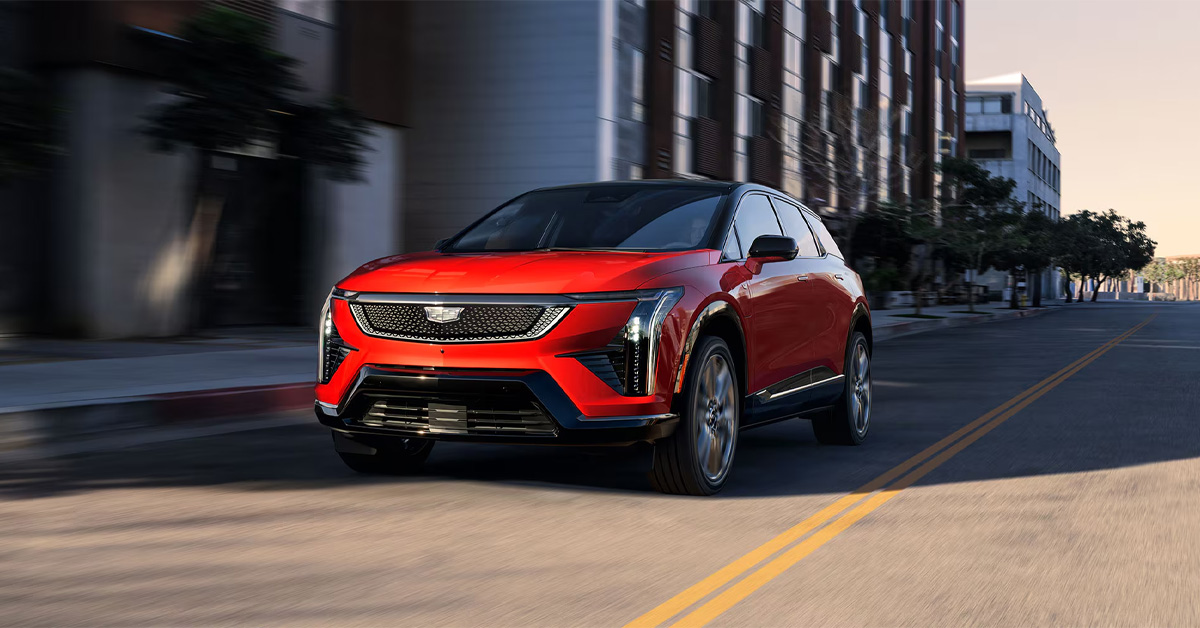
When comparing the Tesla Model S and the 2026 Cadillac Optiq, both offer cutting-edge electric performance, but they come with different trade-offs. The Model S impresses with speed and range, yet it has ownership issues, higher maintenance complexity, and limited charging options in some areas. The Cadillac Optiq delivers luxury, advanced technology, and a user-friendly EV experience while addressing many of the drawbacks found in the Model S, making it a strong contender for drivers seeking a practical yet high-performance electric vehicle.
At Crestview Cadillac, we are dedicated to helping drivers in Azusa, Glendora, Duarte, and San Dimas find the right vehicle for their needs. From sales and service to parts and support, our team is here to assist you at every step. Contact us today or stop by to explore the Cadillac Optiq and see how it can fit seamlessly into your lifestyle.
What are the main ownership challenges of the Tesla Model S compared to the Cadillac Optiq?
Owning a Tesla Model S can feel exciting, but it comes with several challenges that impact daily use. Maintenance, charging, and reliability are areas where drivers often face frustrations. The Cadillac Optiq is designed to address many of these concerns, offering a smoother ownership experience with fewer complications.
Some of the main challenges with the Model S include:
- Limited service options – Tesla has fewer service centers than traditional automakers, which can make repairs slower.
- High repair costs – Parts and specialized labor for Tesla vehicles often cost more than conventional EVs.
- Battery degradation – Over time, range may drop faster than expected, especially in older models.
- Charging accessibility – Public charging networks are growing but still may not be convenient in some areas.
- Software reliability – Frequent updates can cause glitches or require system resets, interrupting normal use.
In contrast, the Cadillac Optiq offers easier maintenance, more dealer support, and a user-friendly EV system. Its design focuses on convenience, predictable service costs, and reliable performance. For drivers who want an electric vehicle without constant hurdles, the Optiq provides a clear advantage over the Model S.
How does charging convenience differ between the Model S and Optiq?
Charging an electric vehicle can vary widely depending on the model. The Tesla Model S uses its own fast-charging network, but it may not always be near your route. The Cadillac Optiq focuses on broader charging compatibility, making it simpler for daily use and long trips.
Key differences include:
- Network access – Tesla relies on Superchargers, which are not available everywhere. Optiq can use more public chargers, giving more flexibility.
- Home charging – Both cars can charge at home, but Optiq offers simpler setup options and faster installation support.
- Charging speed – Tesla can charge quickly at its network, but Optiq keeps speeds consistent across more locations.
- Trip planning – Optiq’s system integrates easily with apps to find nearby chargers, reducing stress on longer drives.
- Cost of charging – Tesla network costs can vary. Optiq lets you use standard chargers often at lower prices.
For those ready to make a smooth switch to electric, a Cadillac Optiq for sale provides convenience, reliable charging, and less hassle for everyday use.
What performance limitations might Tesla Model S owners face?
While the Tesla Model S is fast and high-tech, it does have some limits compared to other EVs. The Model S vs Optiq EV comparison shows that daily driving, handling, and long trips can present challenges for some owners. Optiq offers a more balanced performance for most road conditions and everyday use.
Key performance points to consider:
- Range under load – Model S range can drop quickly with heavy use or high speeds. Optiq maintains more consistent range.
- Handling in weather – Tesla can feel tricky on snow or rain due to its weight and low center of gravity. Optiq offers stable handling in varied conditions.
- Towing and cargo – Model S has limited towing capacity. Optiq allows more flexibility for carrying gear or pulling small trailers.
- Acceleration consistency – Tesla’s quick bursts are impressive, but sustained fast driving can reduce battery efficiency. Optiq balances power and efficiency better.
- Ride comfort – Some Model S owners find the ride stiff on rough roads. Optiq provides smoother, quieter driving for daily trips.
These limitations show why the Optiq may feel easier and more predictable for regular driving.
How does interior technology affect user experience for the Model S versus the Optiq?
The interior tech in the Tesla Model S is impressive but can also create challenges for some drivers. Model S ownership issues often stem from the heavy reliance on touchscreens and digital controls. In contrast, the Optiq blends tech with simplicity, making it easy to use for all passengers.
Key tech considerations include:
- Touchscreen dependency – Many Model S controls require the central screen, which can distract drivers. Optiq keeps essential functions on physical buttons.
- Software updates – Tesla updates frequently, but changes can be confusing or interrupt normal use. Optiq systems are stable and intuitive.
- Voice commands – Model S voice control is powerful but can misinterpret commands in noisy environments. Optiq voice features are simpler but more reliable.
- Infotainment options – Tesla offers many apps and streaming options, but setup can take time. Optiq provides a balanced set of features that are easy to navigate.
- Driver customization – Tesla allows deep customization, but it can be overwhelming for some users. Optiq focuses on clear menus and user-friendly layouts.
Tech matters, but ease of use impacts daily comfort. Optiq offers a smoother, simpler experience for most drivers.
What are the practicality and space differences between the Model S and Optiq?
The Tesla Model S offers a sleek, low-slung design but can pose challenges for everyday use. Tesla Model S downsides vs Cadillac Optiq often include limited cargo access and tighter rear seating. The Optiq, by contrast, focuses on roomy interiors and versatile storage, making daily tasks easier.
Key space and practicality points include:
- Passenger room – Model S rear seats can feel cramped for adults on long trips. Optiq provides more headroom and legroom for comfort.
- Cargo capacity – Model S trunk space is smaller and less flexible. Optiq offers a larger, well-shaped cargo area for bags, groceries, or gear.
- Entry and exit – Low ride height of the Model S makes getting in and out trickier. Optiq has a higher, easier step-in height.
- Storage compartments – Model S has fewer practical storage spots for everyday items. Optiq includes multiple cubbies, bins, and cup holders.
- Overall versatility – Tesla’s sleek design limits practical use. Optiq balances style with space, making it more functional for families and errands.
For drivers who value comfort and storage along with modern tech, Optiq stands out as a practical choice.
Are there financial downsides to owning a Model S compared to the Optiq?
Owning a Tesla Model S can come with higher costs over time, while the Optiq offers more predictable expenses. Model S ownership issues often include expensive repairs, battery concerns, and insurance rates. Optiq provides strong value with lower upkeep costs and dependable performance.
Key financial points include:
- Purchase price – Model S typically costs more upfront. Optiq offers luxury features at a lower price.
- Maintenance and repairs – Tesla parts and service can be costly. Optiq repairs are easier to manage and widely available.
- Battery replacement – Long-term battery care for the Model S can be expensive. Optiq avoids this issue with conventional EV or hybrid options.
- Insurance – Model S insurance premiums are often higher due to repair costs and car value. Optiq is more affordable to insure.
- Resale value – Model S may lose value faster in some markets. Optiq holds its value well and appeals to more buyers.
For buyers seeking a luxury electric option with lower costs and strong long-term value, a Cadillac Optiq for sale may be the smarter choice.
How do safety and driver assistance systems compare between the two EVs?
The Tesla Model S offers advanced driver aids, but they may require careful attention and updates. Optiq provides a more user-friendly suite of safety features that is easy to understand and reliable. In a Model S vs Optiq EV comparison, the differences often come down to consistency and ease of use.
Key safety and driver assistance points include:
- Autopilot vs standard driver aids – Model S has Autopilot, which can be complex and requires focus. Optiq offers intuitive adaptive cruise and lane assist systems.
- Crash safety – Both vehicles score well in crash tests, but Optiq provides more visible alerts and easy-to-read warnings.
- Sensor reliability – Model S sensors may require recalibration or updates. Optiq’s sensors work smoothly with minimal maintenance.
- User interface – Tesla’s touchscreen controls many functions, which can distract some drivers. Optiq balances touchscreens with physical buttons for safer use.
- Driver alerts – Optiq provides clear warnings for lane departure, collisions, and blind spots, making daily driving less stressful.
For those who value reliable and easy-to-use safety features, the Cadillac Optiq delivers confidence on every drive while maintaining luxury and comfort.
Why might the Cadillac Optiq be a better choice for local drivers near Crestview Cadillac?
Local drivers often face daily traffic, short trips, and varying road conditions. Model S ownership issues, such as charging time, maintenance complexity, and touchscreen dependency, can make city driving less convenient. Optiq provides practical solutions while keeping luxury and comfort in mind.
Reasons the Optiq may suit local drivers better include:
- Easy charging and range – Optiq charges quickly at home or public stations, reducing wait times for daily trips.
- Lower maintenance needs – Regular upkeep is simple, and parts are easy to access locally.
- User-friendly technology – Controls are clear and intuitive, helping drivers stay focused on the road.
- Comfort and space – Optiq offers roomy seating and cargo options for groceries, gear, and family use.
- Reliable driver aids – Safety features work smoothly, making traffic and busy streets easier to navigate.
For drivers near Crestview Cadillac, the Optiq blends practicality, comfort, and peace of mind. It is an ideal choice for anyone who wants a luxury EV without the everyday hassles.
Frequently Asked Questions: Downsides of the Tesla Model S vs Cadillac Optiq [2026]
When deciding between a Tesla Model S and a Cadillac Optiq, many buyers want quick answers to practical concerns. These questions focus on usability, service, and long-term ownership factors that can affect daily life and overall satisfaction.
What shortcomings of the Model S matter when compared with the Cadillac Optiq (interior usability, dealer support)?
The Model S can be less intuitive inside, with touchscreen-heavy controls and limited physical buttons. Dealer support is also more limited, while Optiq offers easier-to-use controls and more accessible local dealerships.
How do charging network reliance and service access create downsides for Model S buyers vs Optiq owners?
Model S owners rely heavily on Tesla Superchargers, which may not be near every destination. Service centers are fewer, making repairs and maintenance less convenient. Optiq owners benefit from widespread charging options and local dealer support.
Does the Model S have any ergonomic or everyday usability issues compared to the Optiq?
Yes, the Model S has lower seat adjustability, tighter rear seating, and smaller cargo areas. Optiq offers more comfortable seating, better entry and exit, and larger cargo space for daily use.
How do depreciation and resale risk compare between Model S and Optiq?
Model S vehicles depreciate faster due to high initial cost and EV market shifts. Optiq tends to retain value better with predictable maintenance and a strong resale market.
For buyers prioritizing convenience and dealer service, which downsides of the Model S are most relevant?
Limited dealer access, longer service wait times, and reliance on charging infrastructure are key downsides that make daily ownership less convenient compared to Optiq.
Explore More EV Insights at Crestview Cadillac
When choosing an electric vehicle, it helps to weigh real-world ownership experiences. Some buyers find practical considerations, like service access and daily usability, make a big difference. If you want an EV that balances tech, comfort, and support, the Cadillac Optiq is worth exploring.
Drivers from Azusa, Glendora, Duarte, and San Dimas can visit Crestview Cadillac to see our wide selection of vehicles, including the Optiq. Our team is ready to answer questions, schedule test drives, and help you find the right fit. For more insights on EV ownership and comparisons, check out our guides on downsides of buying a Tesla Model X vs Cadillac Escalade, Cadillac LYRIQ Sport vs Kia EV6 Wind, and Cadillac LYRIQ vs Audi Q8 to see how luxury EVs compare in real-world use.
Get Directions to Crestview Cadillac
Disclaimer: All information is provided for general informational and entertainment purposes only. While we strive for accuracy, we cannot guarantee that all content is complete, current, or error-free. Any reliance you place on such information is strictly at your own risk. This article may include opinions and is not endorsed by, or officially affiliated with, any vehicle manufacturer or brand. Always consult official sources – such as the vehicle’s owner’s manual, authorized dealerships, or certified professionals – for the most up-to-date and personalized information.
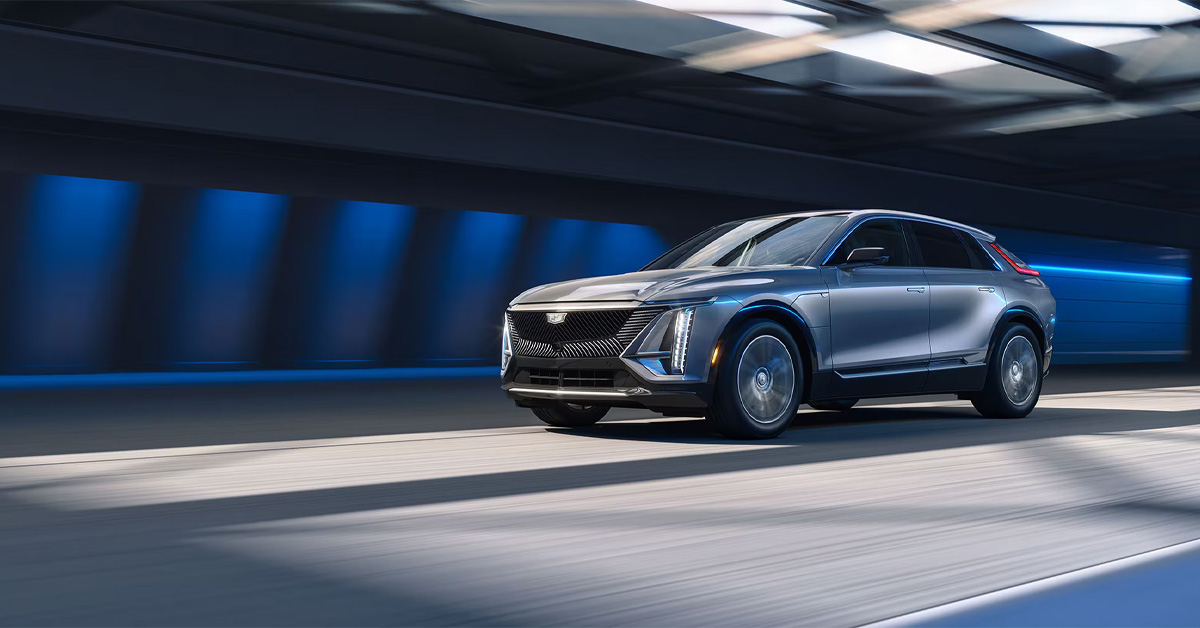
Choosing between the Tesla Model S and the Cadillac Lyriq in 2026 often comes down to understanding their trade-offs, not just their highlights. While the Model S delivers extreme performance and cutting-edge tech, it also brings drawbacks related to ride comfort, interior usability, ownership support, and long-term luxury expectations. The Lyriq counters those weaknesses with a smoother driving experience, refined design, and a more traditional luxury ownership model that many buyers prefer.
At Crestview Cadillac, we are here to help you explore what truly fits your lifestyle, whether you are researching a Cadillac Lyriq for sale or comparing it directly against competitors like the Model S. Our team proudly supports drivers with everything from new vehicle sales to certified service, genuine parts, and expert EV guidance. Contact Crestview Cadillac today to speak with a knowledgeable specialist and experience a smarter, more confident way to shop for your next luxury electric vehicle.
What Are Shoppers Really Comparing When Looking at the Model S and the Lyriq?
When shoppers compare the Model S and the Lyriq, the focus goes far beyond speed and range. Most buyers weigh how each vehicle fits daily life, comfort needs, and long-term value. The discussion around Tesla Model S downsides vs Cadillac Lyriq often centers on balance rather than raw numbers.
At a high level, shoppers are usually comparing a tech-first approach with a comfort-first mindset. The Model S appeals to drivers who want sharp speed and bold features. The Lyriq attracts those who value calm rides, refined design, and ease of use.
Key areas shoppers tend to compare include:
- Ride quality and cabin noise during daily drives
- Interior layout and ease of basic controls
- Build feel and long-term durability
- Service access and local support options
Many drivers find that extreme power is not a daily need. What matters more is how relaxed the drive feels, how simple controls are, and how the vehicle supports long-term ownership. For many luxury EV shoppers, the Lyriq checks those boxes with less effort and fewer compromises.
Where Does the Tesla Model S Fall Short in Everyday Luxury Use?
The Tesla Model S offers strong tech and fast speed, but daily luxury use can feel uneven. Many drivers expect comfort to come easy in a high-end car. In some areas, the Model S asks owners to adjust instead.
Interior design is one common concern. The cabin looks clean, yet some materials feel plain for the price. Many controls also sit deep in the screen, which can distract during simple tasks.
Common luxury pain points include:
- Limited physical buttons for quick use
- Firm ride quality on rough roads
- Inconsistent fit and finish in some areas
- Cabin noise at higher speeds
For buyers who value ease and comfort, these issues stand out over time. That is why many shoppers explore a Cadillac Lyriq for sale. The Lyriq focuses on smooth rides, rich materials, and a layout that feels natural from day one.
Are Tesla Model S Interior Controls a Drawback for Daily Driving?
Interior controls play a big role in how relaxed a drive feels. For many drivers, screen-based systems can slow simple tasks. This concern is often listed among Model S drawbacks 2026.
Basic actions like climate changes or fan speed need menu taps. That can pull focus from the road. Over time, this setup may feel less friendly for daily use.
Drivers often point to these control issues:
- Few physical buttons for quick access
- Heavy reliance on touch menus
- Steering wheel inputs that take time to learn
By contrast, the Lyriq blends screens with easy-to-reach controls. Key features stay simple and fast to use. That balance helps reduce stress and keeps daily driving smooth.
How Do Tesla Model S Ride Comfort and Cabin Quiet Compared to the Lyriq?
Ride comfort shapes how a car feels day after day. Some drivers note that the Model S rides firm, especially on rough streets. Road feel can be sharp at times.
Cabin quiet is another key point. Wind and tire noise may rise at high speed. That can take away from a calm drive.
When people look at Model S vs Lyriq performance & support, comfort often matters more than speed. Buyers tend to weigh these ride factors:
- How well bumps are absorbed
- Noise levels on the highway
- Comfort during long trips
The Lyriq aims for a smooth and quiet ride. Soft tuning and sound control help create a calm space. That focus can make daily drives feel more relaxed and less tiring.
What Are the Real-World Performance Trade-Offs Between Model S and Lyriq?
Strong speed can be fun, but daily driving tells a fuller story. Many drivers rarely use full power on city streets or freeways. That is where Tesla Model S downsides vs Cadillac Lyriq become clear.
The Model S focuses on fast launch and sharp response. This can feel intense in traffic or tight turns. Some drivers prefer a smoother and more steady feel.
Real-world performance points shoppers compare include:
- Ease of power control in daily use
- Comfort during stop and go driving
- Balance between speed and ride comfort
The Lyriq favors smooth power delivery. Accel feels calm and easy to manage. For many drivers, that balance makes the Lyriq more enjoyable every day.
Does the Tesla Model S Range Advantage Come With Compromises?
Long range looks great on paper. Real use can tell a different story. Speed, weather, and road style can cut range fast.
High power trims often use more energy. Fast starts and high speeds drain the pack quicker. That can limit real trip plans.
Drivers often notice these range trade-offs:
- Lower range at highway speed
- Faster drain during hard accel
- Longer stops when pushing range limits
Many shoppers want a range they can trust. That leads some to look at a Cadillac Lyriq for sale. The Lyriq focuses on steady range and easy trip planning, which helps reduce stress on long drives.
Are Tesla Model S Build Quality and Consistency Still a Concern?
Build quality can affect how a car feels over time. Some owners report uneven panel gaps, loose trim, or small fit issues. These are often listed among Model S drawbacks 2026.
Durability also matters for daily use. Small defects can grow or cause rattles, which may affect comfort and resale value.
Common concerns with long-term build include:
- Misaligned panels or doors
- Uneven paint or trim quality
- Wear on interior materials
By contrast, the Lyriq emphasizes solid assembly and attention to detail. Seats, panels, and surfaces feel consistent and durable. That focus makes long-term ownership simpler and more satisfying for many drivers.
How Do Ownership Experience and Dealer Support Compare?
Ownership experience is more than the car itself. It includes service access, support, and ease of repairs. Many shoppers find differences clear when comparing Model S vs Lyriq performance & support.
Tesla uses a direct-sales model with limited local service centers. App-based service can be convenient, but some issues require travel.
Dealership-backed EVs like the Lyriq offer:
- Easy access to local service and parts
- Staff trained to handle electric vehicle needs
- Personalized guidance for repairs and maintenance
For many buyers, dealer support adds peace of mind. The Lyriq’s network helps drivers schedule service quickly and maintain their car easily over time.
Is Tesla Full Self-Driving a Strength or a Source of Frustration?
Tesla’s Full Self-Driving technology promises hands-off convenience, but it often requires active attention. Many drivers see this as a mixed feature. It is a key point when weighing Tesla Model S downsides vs Cadillac Lyriq.
Some common frustrations include slow software updates and limits in complex traffic. The system may hesitate or require frequent human input. That can make daily drives less smooth than expected.
Key aspects to consider are:
- Need for constant driver supervision
- Software quirks that interrupt flow
- Extra cost for full self-driving features
By comparison, the Lyriq provides driver-assist systems that feel reliable and predictable. Features like adaptive cruise and lane keep are simple to use. Many drivers appreciate the calm confidence it brings to daily driving.
How Does Charging and Long-Term EV Support Differ Between These Two EVs?
Charging access and support can shape the ownership experience. Tesla offers a vast Supercharger network, but public access may still require planning. Real-world charging can vary with speed and location.
High-speed charging may drain quickly at peak times. Home charging is simple, but full recharge can take hours depending on power.
Key points for comparison include:
- Speed and ease of public charging
- Home charging setup and convenience
- Long-term support and vehicle updates
The Lyriq pairs solid range with accessible charging options through common networks. Many drivers seeking a Cadillac Lyriq for sale appreciate the local support and service guidance. That combination helps maintain confidence and ease in everyday EV use.
Frequently Asked Questions: Downsides of the Tesla Model S vs Cadillac Lyriq [2026]
Many buyers want to understand the key differences between the Tesla Model S and Cadillac Lyriq before making a purchase. These FAQs address practical concerns about service, comfort, range, and ownership to help guide a confident decision.
What are the biggest downsides of buying a Tesla Model S compared to a Cadillac Lyriq (service, range, comfort)?
The Model S can have uneven ride comfort, firm suspension, and a cabin that feels less refined. Service access is limited to Tesla centers, which may require longer travel. Range can drop significantly under real-world conditions with high speeds or aggressive driving, while the Lyriq offers smoother daily driving, predictable range, and easier access to dealer support.
How do long-term repair and software-update concerns compare between Model S and Lyriq?
Tesla software updates are frequent but may introduce quirks, and repairs often require trips to distant service centers. The Lyriq benefits from dealership-backed service, consistent build quality, and trained technicians, making maintenance simpler and more predictable over time.
Which vehicle has more practical drawbacks for daily family and cargo needs?
The Model S may have limited quick-access controls, minimal physical buttons, and a firmer ride that can affect daily comfort. Cabin layout and storage can feel less intuitive for families. The Lyriq provides easier-to-use controls, smoother rides, and a more flexible cabin, which better supports daily family and cargo needs.
How does cold-weather and real-world range compare when choosing Model S over Lyriq?
The Model S range can decrease noticeably in cold weather or during spirited driving, requiring more frequent charging stops. The Lyriq’s range is more steady and predictable under daily driving and seasonal conditions.
Are there ownership or infrastructure reasons a buyer should avoid the Model S in favor of a Lyriq?
Limited local service access, dependence on Supercharger networks, and the need for constant software attention can make ownership more challenging. The Lyriq offers dealer support, easier parts access, and a more traditional EV ownership experience, reducing potential frustration.
Explore Your Cadillac Options at Crestview Cadillac
If you want to learn more about electric SUVs and luxury EVs, our team is ready to help. We can answer questions about performance, comfort, and long-term ownership.
Drivers from Azusa, Glendora, Duarte, and San Dimas are invited to explore our wide selection of vehicles, including the Cadillac Lyriq. Our lot makes it easy to see and test-drive cars in person.
For more insights, check out guides like our Cadillac LYRIQ vs. Audi Q8 2026 Guide or Cadillac LYRIQ Sport vs Kia EV6 Wind: SUV Guide 2026 to learn how luxury and performance compare across top models. You can also see what to expect when considering other EV options, similar to the discussion in Downsides of Buying a Tesla Model X vs Cadillac Escalade 2026. Contact Crestview Cadillac today to speak with a team member, schedule a test drive, or explore Cadillac Lyriq for sale near you. We are here to make every step of your luxury EV journey simple and stress-free.
Get Directions to Crestview Cadillac
Disclaimer: All information is provided for general informational and entertainment purposes only. While we strive for accuracy, we cannot guarantee that all content is complete, current, or error-free. Any reliance you place on such information is strictly at your own risk. This article may include opinions and is not endorsed by, or officially affiliated with, any vehicle manufacturer or brand. Always consult official sources – such as the vehicle’s owner’s manual, authorized dealerships, or certified professionals – for the most up-to-date and personalized information.
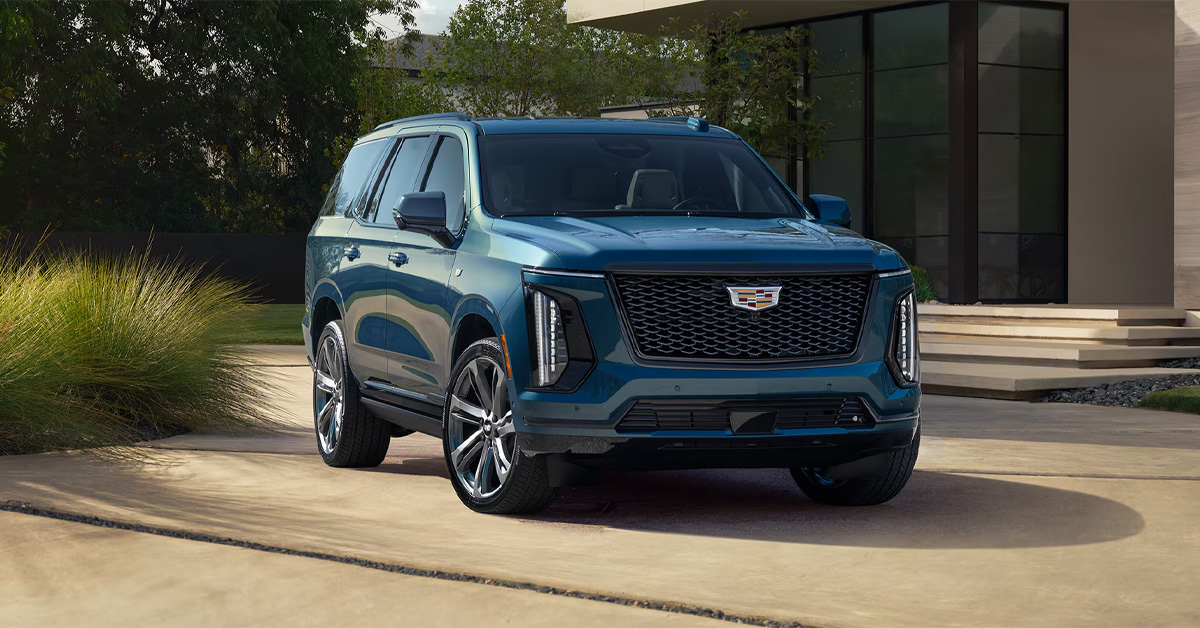
Choosing between a Tesla Model X and a Cadillac Escalade in 2026 comes down to understanding where cutting edge electric technology may fall short of full size luxury expectations. Common Tesla Model X downsides include limited interior space, design compromises, and higher long term ownership considerations when compared to the Escalade. Buyers who value comfort, utility, and a refined driving experience often find the Cadillac Escalade better aligned with everyday needs and long term satisfaction.
At Crestview Cadillac, our team is here to help you navigate every step of your vehicle journey with confidence. From finding the right Cadillac Escalade for sale to expert service, genuine parts, and ongoing support, we are committed to delivering a premium ownership experience. Visit Crestview Cadillac today or speak with our staff and get the assistance you need.
What Are Buyers Comparing When Choosing Between the Tesla Model X and Cadillac Escalade in 2026?
Shoppers looking at these two SUVs often start with price and brand image. They also compare size, comfort, and how each vehicle fits daily life. While both are premium options, their strengths point to very different needs and habits.
The Tesla Model X appeals to drivers drawn to electric power and bold design. The Escalade attracts buyers who want space, comfort, and a strong road presence. This contrast drives many Tesla Model X downsides vs Cadillac Escalade discussions among luxury SUV shoppers.
Buyers often focus on a few core areas when weighing these vehicles:
- Interior space for family and guests
- Ease of use for controls and features
- Ride comfort on long drives
- Cargo room for trips and errands
- Long term value and ownership needs
Another key factor is lifestyle fit. Some buyers value new tech above all else. Others want proven comfort and everyday ease. The Escalade often stands out for those who need a full size SUV that feels calm and capable in all settings.
In 2026, the choice is less about which vehicle is newer. It is about which one better supports daily driving, family needs, and long term plans.
How Do Interior Space and Passenger Comfort Compare for Families?
Interior space is a top concern for families choosing a large luxury SUV. Seating comfort, legroom, and ease of entry all shape daily use. Small limits become clear on long drives or busy school days.
The Escalade offers wide seats and generous legroom in every row. Adults can sit in the third row with less strain. Doors open wide, which helps kids and parents get in and out with ease.
Many families value flexible space for people and gear. The Escalade supports this need well:
- Strong headroom across all rows
- Flat floors that help passengers move with ease
- Seats that stay comfortable on long trips
Cargo space also matters when seats are full. Sports bags, strollers, and groceries fit with less planning. This balance of space and comfort leads many shoppers to look for a Cadillac Escalade for sale when family needs grow.
For households that travel often or drive together daily, room matters. The Escalade delivers a calm and open feel that helps every ride feel more relaxed.
Does Cargo Capacity Favor the Cadillac Escalade Over the Model X?
Cargo space plays a big role in how useful an SUV feels each day. Families often carry bags, gear, and supplies at the same time. A tight cargo area can turn simple trips into a hassle.
The Escalade offers a large rear space with a wide opening. Loading items feels quick and simple. The flat floor also helps when stacking larger items.
Some Model X drawbacks 2026 become clear during busy weeks. The rear space fills fast when all seats are in use. Storage shape and height can limit what fits.
Shoppers often compare how each SUV handles real needs:
- Room behind the third row
- Ease of loading heavy items
- Space for trips and sports gear
For drivers who value space without compromise, the Escalade often feels more ready. It supports daily tasks with less planning and less stress.
Are Tesla Model X Doors a Practical Feature or a Daily Frustration?
The powered rear doors stand out at first glance. They look modern and draw attention. Daily use can tell a different story.
Tight parking spaces can limit how well these doors work. Garages with low ceilings add stress. Repairs may also cost more over time, which can affect Model X vs Escalade ownership costs.
Families often value simple and reliable design. The Escalade uses standard doors that open wide and work in most spaces. This makes loading kids, bags, and gear feel easier.
Drivers often weigh these door designs based on real use:
- Ease of entry in tight spaces
- Repair needs over time
- Long term cost impact
While unique features can be fun, ease matters more each day. Many owners prefer the calm and proven door design found on the Escalade.
Common Questions About Tesla Model X vs Cadillac Escalade Ownership
Many buyers want clear answers before committing to a luxury SUV at this level. Understanding reliability, cost, space, and daily usability helps narrow the choice and avoid surprises later.
What are the main reliability or service downsides of buying a Tesla Model X versus a Cadillac Escalade?
A Tesla Model X relies heavily on software and advanced electronics, which can lead to update issues or specialized repairs, while the Escalade benefits from a long-established service network and more traditional systems that many dealerships can service with ease.
How do total ownership costs compare between the Model X and Escalade (insurance, maintenance, repairs)?
Model X vs Escalade ownership costs often favor the Escalade for consistency, since insurance and repair expenses for the Model X can be higher due to specialized parts and sensors, while the Escalade uses more widely available components and service options.
What practical downsides does a Model X have for families compared with the Escalade (space, towing, usability)?
The Model X provides less third-row space, reduced cargo room when fully seated, and lower towing capability, while the Escalade delivers more passenger comfort, stronger towing ability, and better overall usability for family needs.
How do charging infrastructure and long-distance travel compare between Model X and Escalade (gas vs plug-in/hybrid vs EV)?
The Model X depends on charging stations and careful trip planning for long travel, which can add time, while the gas-powered Escalade allows quick refueling and easier long-distance driving without charging delays.
Are there notable features or tech trade-offs that make the Model X less convenient than the Escalade?
The Model X places most functions on a central touchscreen, which can feel less intuitive while driving, whereas the Escalade balances large displays with physical controls for quicker and easier access.
Continue Your Luxury SUV Search With Confidence
Luxury SUV buyers often look beyond style and power. Comfort, space, and ease of use shape long term value. These details help narrow the right choice.
Crestview Cadillac is ready to support your search from start to finish. We proudly serve drivers from Walnut Valley, San Dimas, and Diamond Bar. Our inventory includes a wide range of models, including the Escalade, built for comfort and daily ease.
If you are also weighing electric options, we offer clear comparisons to guide your choice. Learn more through LYRIQ vs RDX, LYRIQ vs EV6, or LYRIQ vs GV60 to see how luxury EVs differ in design and use.
We invite you to continue exploring our site and learn more about Cadillac options. Contact Crestview Cadillac today for answers, vehicle details, and personal support.
Get Directions to Crestview Cadillac
”Disclaimer: All information is provided for general informational and entertainment purposes only. While we strive for accuracy, we cannot guarantee that all content is complete, current, or error-free. Any reliance you place on such information is strictly at your own risk. This article may include opinions and is not endorsed by, or officially affiliated with, any vehicle manufacturer or brand. Always consult official sources – such as the vehicle’s owner’s manual, authorized dealerships, or certified professionals – for the most up-to-date and personalized information.
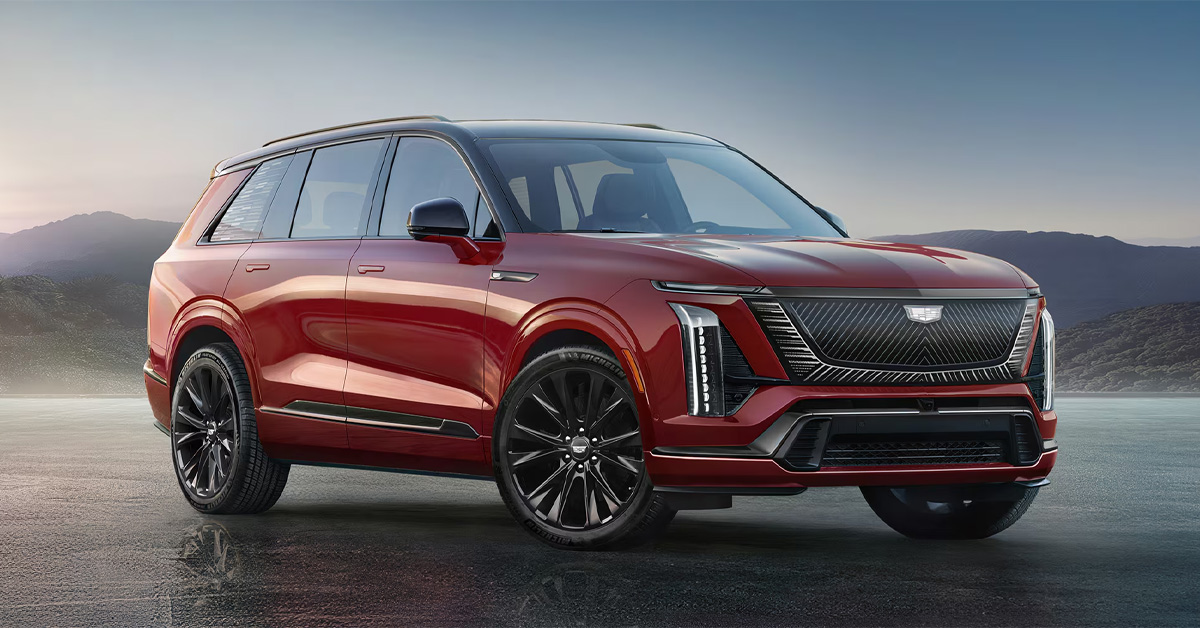
When comparing the Tesla Model X to the Cadillac Vistiq, the trade-offs are clear for 2026 buyers. The Model X offers cutting-edge electric performance and sleek technology, but it can come with limitations in daily practicality, cargo space, and long-term ownership costs. The Cadillac Vistiq counters with a spacious, comfortable interior, intuitive features, and a more traditional luxury experience, making it a compelling choice for those seeking a balanced EV option.
Understanding these key differences can help you make a decision that fits your lifestyle and driving needs. At Crestview Cadillac, we are dedicated to helping drivers in Walnut Valley, San Dimas, Diamond Bar, and surrounding areas find the right vehicle for their needs. Our team provides expert guidance on sales, service, parts, and more to ensure a smooth ownership experience.
Contact us today or stop by to see our wide selection of Cadillac vehicles, including the Vistiq, and let us assist you in making the best choice for your next luxury EV.
How Does the Tesla Model X Compare to the Cadillac Vistiq in Everyday Use?
For daily driving, many buyers quickly notice clear differences between the Tesla Model X and the Cadillac Vistiq. The downsides of the Model X become more apparent when evaluating comfort, interior space, and everyday ease of use. While the Model X emphasizes performance and advanced technology, the Vistiq focuses on practicality, making daily routines simpler and more convenient for most drivers.
Everyday use comparisons include:
- Commute and City Driving: The Model X can feel large and difficult to park in tight spaces. The Vistiq maneuvers easily and fits comfortably in urban areas.
- Cargo and Passenger Needs: Third-row seating in the Model X can feel cramped for adults, limiting comfort on longer trips. In contrast, the Vistiq provides ample space for passengers in all rows. It also offers generous cargo capacity, making it easier to carry gear and luggage for daily use or extended journeys.
- Tech and User Interaction: Tesla’s advanced system requires time to learn. The Vistiq’s tech is simple, reducing distractions while driving.
- Charging and Energy Management: Planning longer trips in the Model X may require careful charging stops. The Vistiq allows flexible charging with fewer interruptions on daily drives.
- Overall Comfort: The suspension in the Model X can feel stiff on rough or uneven roads, making rides less comfortable. In contrast, the Vistiq delivers a smoother, more composed ride that absorbs bumps effectively. This ensures both drivers and passengers experience greater comfort on daily commutes and longer trips.
What Are the Practical Limitations of Owning a Tesla Model X?
While the Tesla Model X delivers impressive electric performance, it has practical limitations affecting daily use. Drivers often notice tighter interior space, a firmer ride, and more complex controls compared to the Cadillac Vistiq. Recognizing these differences helps buyers choose the EV that best aligns with comfort, convenience, and everyday lifestyle needs.
Key limitations of the Tesla Model X include:
- Range and Charging Needs:Long trips in some EVs can be challenging due to limited charging station availability. Relying on home charging may take several hours, which can be inconvenient for busy schedules. These factors make planning routes and charging stops essential for longer journeys.
- Interior Space and Comfort: Cargo space is smaller than many large SUVs, including the Vistiq. Seating for adults in the third row can feel tight on long drives.
- Maintenance and Repairs: Parts can be costly and sometimes hard to find. Service centers are not as widespread, which can mean long waits.
- Technology Complexity: Advanced features require time to learn and may overwhelm some drivers. Frequent software updates can cause small disruptions to daily use.
How Does the Cadillac Vistiq Offer Advantages in Comfort and Technology?
The Cadillac Vistiq is engineered for effortless, enjoyable daily driving, addressing many challenges found in the Tesla Model X. With a focus on comfort, spaciousness, and intuitive technology, it combines practicality with luxury. Drivers benefit from smooth rides, simple controls, and thoughtful design, making the Vistiq a more convenient and refined choice for everyday use.
Reasons the Vistiq stands out include:
- Spacious Interior: Seating is roomy for adults in all rows.Cargo space is larger, making it easier to carry luggage or gear.
- User-Friendly Technology: Touchscreen and controls are simple to learn and use. Features like navigation and entertainment are easy to access without frustration.
- Smooth Ride and Comfort: Suspension is tuned for comfort, not just speed. Noise reduction keeps the cabin quiet on highways or city streets.
- Easy Service and Support: Parts and service are widely available. Local dealerships make maintenance and repairs more convenient.
Are Long-Term Ownership Costs Different Between the Model X and Vistiq?
Long-term costs play a crucial role in any EV purchase decision. Many buyers compare the Tesla Model X’s luxury features and higher expenses with a more practical option like the Cadillac Vistiq. While electric power reduces fuel costs, the Model X may incur higher maintenance, repairs, and ownership expenses over time, making cost considerations essential for informed decisions.
Factors to consider when comparing ownership costs include:
- Depreciation: The Model X tends to lose value faster than the Vistiq in the first few years. The Vistiq holds its value well, making resale simpler and more predictable.
- Maintenance and Repairs: Parts for the Model X can be costly and harder to find. The Vistiq benefits from widespread service centers and easier access to parts.
- Insurance Costs: Luxury EVs like the Model X often come with higher insurance rates due to their value and repair costs. The Vistiq, with its practical design and standard safety features, may qualify for lower premiums. This can make the Vistiq a more cost-effective choice for long-term ownership.
- Charging and Energy Costs: Supercharging a Model X on the road can add up. The Vistiq offers more flexible options with home or public charging at lower costs.
How Do Performance and Driving Dynamics Differ Between the Tesla Model X and Cadillac Vistiq?
Many buyers seek a clear understanding of the real trade-offs when choosing between a Tesla Model X and a Cadillac Vistiq. Key questions focus on practical ownership, everyday usability, comfort, space, and long-term value. Evaluating these factors helps prospective owners make informed decisions, ensuring the chosen electric SUV aligns with their lifestyle, driving habits, and expectations over time.
What are the practical downsides of selecting a Model X instead of a Cadillac Vistiq (service, range, features)?
The Model X has higher maintenance costs, fewer service centers, limited cargo space, and some features are complex to operate. The Vistiq offers simpler tech, easier service access, and more practical interior space.
How do real-world charging times and access affect day-to-day ownership for Model X buyers vs Vistiq owners?
The Model X relies on fast-charging networks or long home charging times, which can interrupt daily routines. The Vistiq allows flexible home charging and shorter recharge periods, making daily use easier.
Does the Model X present any significant interior usability or cargo limitations compared with the Vistiq?
Yes, the Model X has smaller cargo space and tighter third-row seating. The Vistiq provides more room for passengers and gear, improving everyday usability.
What are the resale and depreciation concerns for Model X versus the Vistiq?
The Model X tends to depreciate faster in the first few years and may have higher resale costs due to limited demand. The Vistiq holds value better over time, offering a more predictable resale experience.
Are there known reliability or software issues in the Model X that make the Vistiq a safer long-term buy?
The Model X can experience occasional software bugs and limited availability of replacement parts, which may complicate ownership. The Vistiq has a strong reliability record with widely available service and fewer software interruptions.
Understanding these differences can help buyers choose a vehicle that matches their lifestyle and long-term priorities. Evaluating service access, usability, and costs upfront ensures a smoother ownership experience.
Choosing the Right Luxury EV for Comfort, Value, and Everyday Driving
Choosing between the Tesla Model X and the Cadillac Vistiq comes down to comfort, ease of use, and long-term value. For many drivers, the Vistiq delivers a more balanced luxury EV experience with space, simple tech, and dependable support. These factors often matter more than speed or bold design alone.
Crestview Cadillac is here to help drivers from Walnut Valley, San Dimas, and Diamond Bar find the right fit. Our team supports your needs across sales, service, parts, and ownership guidance. We invite you to explore our wide selection of Cadillac vehicles, including the Vistiq, and continue browsing our site for helpful comparisons like LYRIQ Sport vs. Acura RDX, vs. Genesis GV60, and vs. Kia EV6, that break down how Cadillac EVs stack up against other luxury options. Contact us today to learn more and take the next step with confidence.
Get Directions to Crestview Cadillac
Disclaimer: All information is provided for general informational and entertainment purposes only. While we strive for accuracy, we cannot guarantee that all content is complete, current, or error-free. Any reliance you place on such information is strictly at your own risk. This article may include opinions and is not endorsed by, or officially affiliated with, any vehicle manufacturer or brand. Always consult official sources – such as the vehicle’s owner’s manual, authorized dealerships, or certified professionals – for the most up-to-date and personalized information.
Connect with us


- February 2026
- January 2026
- December 2025
- November 2025
- October 2025
- September 2025
- August 2025
- July 2025
- June 2025
- May 2025
- April 2025
- March 2025
- February 2025
- November 2024
- October 2024
- September 2024
- August 2024
- July 2024
- June 2024
- May 2024
- April 2024
- March 2024
- February 2024
- January 2024
- December 2023
- November 2023
- October 2023
Archives
Categories