



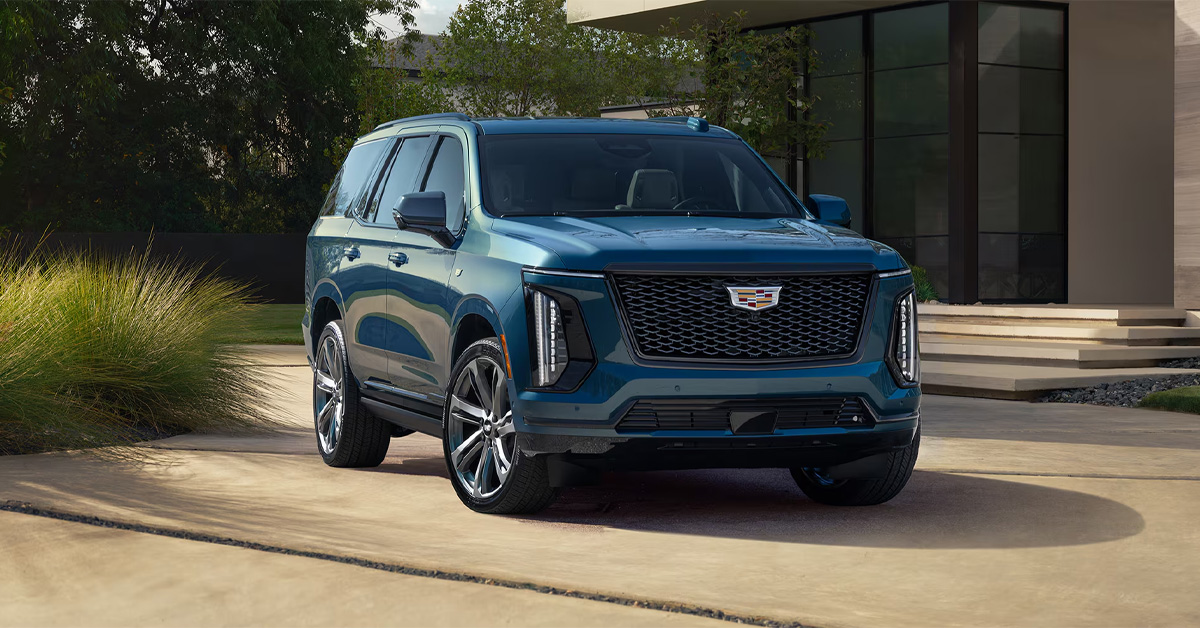
Starting your Cadillac remotely with the myCadillac app is simple. After connecting your vehicle to your account and activating eligible connected services, you can use your smartphone to start the engine, prepare the cabin temperature, lock or unlock doors, and monitor important vehicle information from virtually anywhere. Whether you drive a Cadillac Escalade, LYRIQ, OPTIQ, or another compatible model, app-based remote start adds convenience and control to your ownership experience.
At Crestview Cadillac, we are committed to helping drivers get the most from their vehicles. Whether you need assistance with connected vehicle features, routine maintenance, genuine Cadillac parts, financing solutions, or finding your next Cadillac, our team is here to help. Contact or visit Crestview Cadillac today and let us assist with all your automotive needs.
How to Remote Start a Cadillac with the myCadillac App Step by Step
Once your vehicle is connected and your account is set up, remote starting through the myCadillac app takes only a few moments. It is a simple process that helps prepare your Cadillac before you even step outside, whether you are heading out early in the morning or returning after a long day.
Step 1: Open the App and select your vehicle.
Launch the myCadillac app and make sure the correct vehicle is displayed on your home screen. This step is important for anyone using the myCadillac app for remote start, especially if more than one vehicle is linked to the account.
Step 2: Access Remote Commands
From the home screen, go to the Remote Commands section. You will typically see options such as Start or Climate, depending on your vehicle setup.
Step 3: Start the Engine
Tap Start and confirm the request if prompted. The app will send the command through Cadillac’s connected system to your vehicle.
Step 4: Wait for Confirmation
Once the command is accepted, your vehicle will start and begin preparing the cabin based on your previous climate settings. In models like the LYRIQ, this can help create a more comfortable interior before you arrive.
Step 5: Drive When Ready
When you reach your vehicle, unlock it, enter, and press the brake pedal to begin driving as normal.
Remote starting your Cadillac adds everyday convenience that quickly becomes part of your routine. If you need help setting up features or learning more about your vehicle’s connected capabilities, Crestview Cadillac is ready to assist.
What Is the myCadillac App, and How Does Cadillac Remote Start Work?
The myCadillac app is a mobile application that allows Cadillac owners to stay connected to their vehicles using a smartphone. Instead of relying solely on a key fob, drivers can access a variety of remote features from almost anywhere, including remote start, door lock and unlock functions, vehicle status updates, and more.
For many owners, one of the most valuable features is remote start. If you have ever stepped into a vehicle on a freezing winter morning or after it has been sitting in the summer sun, you already understand the appeal. Learning how to remotely start a Cadillac with myCadillac app can make daily driving more comfortable by allowing the vehicle to begin preparing the cabin before you even open the door.
How Does Remote Start Through the App Work?
When you send a remote start command through the myCadillac app, the process happens behind the scenes in just a few moments:
- You open the app on your smartphone.
- You select the remote start function.
- The command is sent through Cadillac’s connected vehicle network.
- The vehicle receives the request and starts the engine (when all operating conditions are met).
Unlike a traditional key fob, which typically works only within a limited distance, the app can communicate through cellular networks. This allows eligible vehicles to receive commands from much farther away, making it especially convenient when you’re at work, shopping, or preparing to leave home.
More Than Just Starting the Engine
Remote start is often associated with warming up or cooling down the cabin, but the myCadillac app can provide access to several other useful features, depending on the vehicle and service plan.
Common features may include:
- Remote lock and unlock
- Vehicle location assistance
- Fuel or battery status monitoring
- Tire pressure information
- Vehicle health updates
- Charging information for electric vehicles
For owners of the Cadillac LYRIQ, these connected features add another level of convenience. The app can help monitor charging status, estimate driving range, and prepare the cabin temperature before departure, making ownership even more seamless.
A Smarter Way to Stay Connected
Today’s Cadillac vehicles are designed with convenience in mind, and connected technology plays a major role in that experience. Whether you’re driving a LYRIQ or another compatible model, the myCadillac app helps keep important vehicle controls and information right at your fingertips.
If you have questions about connected vehicle features, remote start capability, or setting up your myCadillac account, the team at Crestview Cadillac is ready to help. Contact us today to learn more about the technology available in your Cadillac and get assistance with setup, service, financing, or finding the right vehicle for your lifestyle.
What Do You Need Before Using Remote Start Through the myCadillac App?
Before you can remotely start your Cadillac from your smartphone, a few key requirements must be in place. Completing these steps ensures the app can communicate with your vehicle and send remote commands successfully.
If you are following a myCadillac app remote start guide for 2026, start by confirming the following:
- Your Cadillac is equipped with remote start capability
- You have a GM or Cadillac account
- Your vehicle is linked to that account
- The myCadillac app is installed and up-to-date
- Your smartphone has an internet connection
- Eligible connected services and Remote Commands features are active
Connect Your Vehicle to the App
After signing in to the myCadillac app, you’ll need to add your vehicle and verify ownership. This process may require entering your VIN and completing a few setup steps before remote features become available.
Many modern Cadillac models, including the Cadillac OPTIQ, offer advanced connected vehicle technology that allows owners to access remote commands directly from the app.
Check Connectivity and Service Status
Unlike a traditional key fob, the myCadillac app relies on network communication. Both your smartphone and vehicle need adequate connectivity for remote start requests to work properly. In addition, some remote features require an active service plan that supports remote commands.
Once your account is set up, your vehicle is connected, and services are active, you’ll be ready to start your Cadillac remotely with just a few taps. If you need help with app setup, connected services, financing, service, or finding the right Cadillac for your needs, contact the team at Crestview Cadillac today.
How Do You Download, Set Up, and Connect Your Cadillac to the App?
Setting up the myCadillac app is a straightforward process that gives you access to remote vehicle features right from your smartphone. Before using remote start or other connected services, you’ll need to download the app, sign in, and connect your vehicle.
Download and Sign In
Start by downloading the myCadillac app from the Apple App Store or Google Play Store. Then sign in with your GM or Cadillac account, or create a new account if you do not already have one.
Add and Connect Your Vehicle
Once logged in, follow these steps:
- Select “Add Vehicle.”
- Enter your vehicle’s VIN.
- Verify ownership.
- Complete any required activation steps.
After setup is complete, your Cadillac should appear on the app’s home screen.
Confirm Remote Features Are Available
Many features outlined in the Cadillac app’s remote engine start instructions require active connected services. Check that your vehicle is properly linked and that remote commands are available in the app.
Whether you drive a Cadillac Escalade or another compatible model, completing these steps will prepare you to use remote start and other convenient connected features. If you need help with setup or activation, contact Crestview Cadillac for assistance.
What Climate Control Features Can You Use During Remote Start?
Remote start does more than turn the engine on. It also prepares the cabin so your Cadillac feels more comfortable before you even open the door. During Cadillac smartphone remote start setup, climate control is one of the most useful features because it directly improves comfort from the moment you approach the vehicle.
How Climate Settings Activate Automatically
When you start your Cadillac remotely, the system applies your last saved climate settings. The vehicle begins adjusting temperature and airflow right away so the interior is closer to your preferred comfort level when you enter.
In newer models like the OPTIQ, this process is designed to feel seamless, especially during temperature swings throughout the day.
Common Comfort Features During Remote Start
Depending on your vehicle’s equipment, you may notice:
- Cabin heating or air conditioning activation
- Front and rear defrosters
- Heated seats and steering wheel (if equipped)
- Automatic fan adjustment based on prior settings
These features work together to reduce the time needed to make the cabin comfortable once you get inside.
Why It Makes Everyday Driving Easier
Instead of stepping into a hot or cold cabin, your vehicle is already closer to the right temperature. This makes early mornings, evening commutes, and unexpected weather changes easier to handle.
It is a small convenience that quickly becomes part of your daily routine once you rely on it.
How Do I Remotely Start My Cadillac Using the myCadillac App?
To remotely start your Cadillac using the myCadillac app, open the app, select your vehicle, go to Remote Commands on the home screen, tap Start (or Climate), and confirm the request. The vehicle will start once the command is successfully sent and all required conditions are met.
Which Cadillac Models Support Remote Start Through the myCadillac App?
Many newer Cadillac models support remote start through the myCadillac app, including the Escalade, LYRIQ, OPTIQ, XT4, XT5, XT6, CT4, and CT5, depending on model year, trim, and connected services availability.
Why Is My Cadillac App Remote Start Feature Not Working?
The myCadillac app remote start feature may not work due to account connection issues, inactive or expired connected services, weak cellular or internet signal, an outdated app, or vehicle conditions that prevent remote start, such as a key fob left inside the vehicle.
Do I Need a Subscription To Use Remote Start in the MyCadillac App?
Yes, most Cadillac vehicles require an active connected services plan that includes remote commands to use remote start through the myCadillac app.
Can I control climate settings through the MyCadillac app remote start feature?
Yes, you can control climate-related functions through remote start, including heating, air conditioning, defrosters, and other pre-conditioning features, depending on vehicle equipment and settings.
Stay Connected and Make Every Drive More Convenient
Learning how to remotely start your Cadillac is just one part of getting the most out of your vehicle. Once it becomes part of your routine, it quickly feels natural. A few taps on your phone can prepare your Cadillac before you even step outside, adding comfort and control to everyday driving.
If you are still exploring connected features or want help getting everything set up correctly, Crestview Cadillac is here to make the process simple. Our team can walk you through setup, answer questions, and help ensure your vehicle’s technology is working the way it should.
Explore More Cadillac Technology and Model Comparisons
Drivers across Vincent, Irwindale, Valinda, and Walnut often want to compare models and features before choosing their next vehicle. From advanced electric capability to refined luxury and performance, understanding the differences can help you make a more confident decision.
You can continue learning more through helpful resources like Cadillac luxury trims comparison, Cadillac EV vs luxury electric SUVs, and Cadillac SUV lineup differences. These guides break down how different models compare in comfort, technology, and driving experience.
Find Your Next Cadillac
Whether you are interested in the all-electric LYRIQ, the compact OPTIQ, or the commanding presence of an Escalade, Crestview Cadillac offers a wide selection designed for different driving needs and lifestyles.
If you are ready to take the next step or want help with remote features and connected services, contact Crestview Cadillac today. Our team is here to assist with sales, service, financing, and everything you need to stay confidently connected to your Cadillac.
Get Directions to Crestview Cadillac
Disclaimer: All information is provided for general informational and entertainment purposes only. While we strive for accuracy, we cannot guarantee that all content is complete, current, or error-free. Any reliance you place on such information is strictly at your own risk. This article may include opinions and is not endorsed by, or officially affiliated with, any vehicle manufacturer or brand. Always consult official sources – such as the vehicle’s owner’s manual, authorized dealerships, or certified professionals – for the most up-to-date and personalized information.
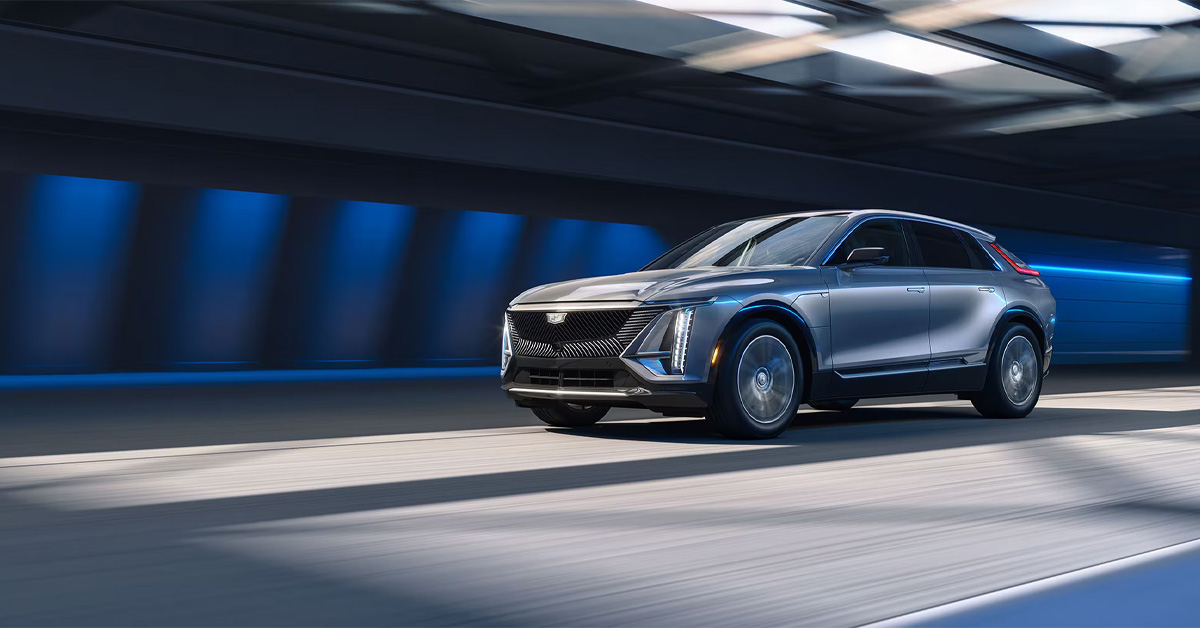
A Cadillac’s full-tank driving range in 2026 typically falls between about 300 and 600+ miles, depending on the model, fuel tank size, and EPA MPG ratings. Larger SUVs like the Escalade deliver strong highway capability but shorter city range, while efficient models such as the XT5 and CT5 sedan can travel significantly farther on a single tank under ideal conditions. In simple terms, fuel range is the result of MPG performance multiplied by tank capacity, shaped heavily by real-world driving habits.
Crestview Cadillac is here to support every step of your ownership experience, from finding the right vehicle to keeping it performing at its best. Whether you are exploring new models like the Escalade, LYRIQ, or OPTIQ or need expert service, parts, financing options, or maintenance support, our team is ready to help. Contact us today or visit Crestview Cadillac to get personalized assistance and answers tailored to your driving needs.
How Far Can a Cadillac Go on a Full Tank in Real Driving Conditions?
How far a Cadillac can go on a full tank depends heavily on real-world conditions rather than just official estimates. While MPG ratings and tank size provide a starting point, everyday driving habits and road conditions play a much bigger role in actual distance between fill-ups.
What changes fuel range in everyday driving
Real-world range can shift quickly based on a few key factors:
- Stop-and-go traffic that lowers efficiency
- Highway driving that improves fuel economy
- Cold weather and seasonal temperature changes
- Driving style, including acceleration and braking habits
- Vehicle load from passengers or cargo
Because of these variables, the same vehicle can deliver very different results depending on the trip.
City driving vs highway travel
In most cases, range splits into two clear scenarios:
- City driving: shorter distance per tank due to frequent stops
- Highway driving: longer range thanks to steady speeds and better MPG
This difference is noticeable during daily commuting compared to weekend or longer-distance travel.
Where the OPTIQ experience fits in
The reflects how modern Cadillac efficiency adapts to real conditions. Smooth driving, consistent speeds, and efficient energy use all play a role in maximizing distance, especially in mixed city and highway use.
Visit us or contact our team to explore your options and find a Cadillac that fits your daily and long-distance driving needs.
Cadillac Fuel Range 2026 Across Escalade, XT5, XT6, XT4, and CT5
Cadillac gas mileage and driving range differ across the lineup because each model is built for a specific kind of driving. Some focus on size and comfort, while others are designed to maximize efficiency and extend time between fuel stops.
Escalade: capability with longer highway focus
The Escalade prioritizes power, space, and luxury. Its fuel range reflects that balance.
- Lower MPG in city driving – 14 city/18 hwy
- Strong highway range for long trips
- More frequent refueling in stop-and-go traffic
It suits drivers who value comfort, towing capability, and highway travel.
XT5: efficiency leader among SUVs
The XT5 is often considered one of the most efficient Cadillac SUVs for real-world driving.
- Strong MPG for its class – 22 city/29 hwy (FWD)
- Excellent highway driving range
- Well-balanced for daily commuting and travel
XT6: balanced three-row versatility
The XT6 offers more space while maintaining solid efficiency.
- Moderate fuel use for a three-row SUV
- Reliable range for family trips
- Balanced city and highway performance
XT4: compact efficiency for city driving
The XT4 is smaller and more fuel-friendly in urban conditions.
- Efficient in stop-and-go traffic
- Practical range for daily commuting
- Easier to manage in tighter driving environments
CT5: strongest highway range among the group
The CT5 benefits from sedan efficiency and aerodynamics.
- Better highway mileage than most SUVs – 23 city/32 hwy
- Strong long-distance driving range
- Comfortable commuter-friendly performance
Find the right Cadillac for your routine
The best choice depends on how far and how often you drive. Whether you prioritize efficiency, space, or long-distance comfort, there is a model built to match your needs.
Crestview Cadillac can help you compare these options in detail and choose the right fit for your daily driving in Vincent, Irwindale, Valinda, and Walnut. Contact us today or visit the dealership to get started.
Cadillac Gas Mileage and Driving Range Comparison Across SUVs and Sedans
Cadillac MPG estimates 2026 highlight a clear difference between SUVs and sedans, mainly based on size, weight, and aerodynamics. SUVs offer space and versatility, while sedans typically deliver stronger highway efficiency and longer range between fuel stops.
SUVs: flexible but efficiency varies by size
Cadillac SUVs are built for comfort and capability, which naturally affects fuel economy. Larger models use more fuel in city driving, while smaller options tend to perform better in daily commuting.
Key takeaways:
- Larger SUVs prioritize space and power over MPG
- Compact SUVs are more efficient in urban driving
- Highway travel improves overall range across the lineup
- Stop-and-go traffic has the biggest impact on fuel use
Sedans: stronger highway efficiency
Sedans generally deliver better long-distance efficiency thanks to lighter weight and improved aerodynamics. This often results in more consistent driving range on highways compared to larger vehicles.
Typical benefits include the following:
- Higher MPG during highway driving
- More predictable fuel range
- Lower overall fuel consumption in steady conditions
Where the LYRIQ fits into the picture
The LYRIQ introduces a different approach to range, focusing on electric efficiency instead of fuel economy. Instead of MPG, range is influenced by energy use and charging habits.
In everyday driving:
- Smooth acceleration helps extend range
- City driving can still deliver strong efficiency
- Charging replaces traditional fuel stop planning
Find the right fit for your driving needs
The best choice depends on how and where you drive most. City commuters may prefer efficiency-focused models, while highway drivers often benefit from sedan performance. SUVs remain ideal for space and versatility.
Crestview Cadillac can help you compare models and understand real-world driving range based on your routine in and around Vincent, Irwindale, Valinda, and Walnut. Contact us or visit the dealership to explore your options.
How LYRIQ and OPTIQ Reflect Cadillac’s Efficiency and Range Strategy
Cadillac fuel range 2026 reflects a shift in how efficiency is measured, moving beyond traditional fuel economy into a broader focus on energy use and driving range. Models like the LYRIQ and OPTIQ highlight this evolution by showing how Cadillac balances performance, efficiency, and everyday usability across both electric and gas-powered options.
Moving beyond traditional fuel economy
Instead of relying only on MPG, Cadillac now considers overall energy efficiency and how consistently a vehicle performs in real-world conditions.
Key elements of this approach include:
- Smarter energy use across city and highway driving
- More consistent real-world range performance
- Improved balance between power and efficiency
- A broader view of what driving distance means today
The LYRIQ plays a major role in this shift, introducing a fully electric experience where range is shaped by battery efficiency rather than fuel consumption.
How the LYRIQ changes the idea of range
The LYRIQ redefines how drivers think about distance and refueling. Without a gas tank, range depends on energy management and driving behavior.
In daily use, it delivers:
- Smooth, efficient acceleration
- Strong performance in both city and highway settings
- Reduced need for traditional refueling stops
- A modern approach to long-distance planning
Where the OPTIQ fits in
The OPTIQ supports Cadillac’s broader efficiency strategy by focusing on compact design and everyday practicality. It is built to handle varied driving conditions while maintaining consistent energy use.
It stands out for:
- Efficient performance in stop-and-go traffic
- Balanced range for commuting and travel
- Smart energy use across different driving styles
What this means for everyday drivers
For drivers in Vincent, Irwindale, Valinda, and Walnut, this shift means more flexibility when choosing a vehicle. Whether focused on traditional fuel efficiency or electric driving, Cadillac offers options that support different lifestyles without compromising comfort.
Find the right efficiency balance for your needs
Understanding how Cadillac’s lineup is evolving makes it easier to choose the right model for your daily driving. At Crestview Cadillac, you can compare both fuel-powered and electric options and get clear guidance on real-world range and efficiency.
Visit us or contact the team today to explore your options and find the Cadillac that fits your driving needs.
At Crestview Cadillac, we can help you understand how different models perform in real-world conditions and what to expect based on your driving habits. Visit us or contact our team to compare options and find the right fit for your needs.
How Far Can a Cadillac Travel on a Full Tank of Gas?
A Cadillac can travel about 300 to 600+ miles on a full tank depending on the model, fuel tank size, and driving conditions.
Which 2026 Cadillac Model Has the Best Fuel Economy?
The most fuel-efficient Cadillac models in 2026 are compact and electric-focused options like the OPTIQ and LYRIQ, which offer the highest efficiency ratings in the lineup.
How Does Driving Style Affect a Cadillac’s Fuel Range?
Driving style directly impacts range, with smooth acceleration and steady speeds improving distance, while aggressive driving, rapid braking, and idling reduce fuel efficiency.
What Factors Impact Cadillac Gas Mileage and Efficiency?
Key factors include city vs highway driving, vehicle size, drivetrain (AWD vs FWD), weather conditions, tire size, vehicle load, and overall maintenance.
Are Cadillac SUVs Fuel-Efficient for Long-Distance Driving?
Yes, many Cadillac SUVs are efficient for long-distance travel, especially on highways, with models like the XT5 offering strong range, while larger SUVs like the Escalade prioritize power and comfort over maximum fuel economy.
Explore Cadillac Range, Efficiency, and Your Next Vehicle
Understanding how far a vehicle can travel on a full tank comes down to more than just numbers on a spec sheet. It is about matching driving habits with the right balance of efficiency, comfort, and capability. Whether the priority is long highway travel, daily commuting, or a mix of both, Cadillac offers options designed to fit a wide range of needs.
Continue exploring Cadillac performance and innovation
Drivers who want a closer look at how different models compare can also explore how luxury, efficiency, and technology shape today’s lineup. From comparisons of elevated trims to all-electric performance discussions, there is more insight available into how Cadillac continues to evolve across both gas and electric platforms.
For example, you can learn more about Escalade Luxury vs. Platinum Luxury, see how traditional SUVs compare in efficiency and comfort against newer electric rivals in Model Y vs. Escalade IQ, or explore premium electric SUV matchups like LYRIQ Sport vs. BMW iX xDrive60.
Visit Crestview Cadillac for personalized guidance
If you are in Vincent, Irwindale, Valinda, or Walnut, Crestview Cadillac is here to help you explore the full lineup in person. Whether you are considering the LYRIQ, OPTIQ, Escalade, or another Cadillac model, our team can walk you through real-world range expectations, features, and performance details.
We invite you to continue exploring our selection online or stop by the dealership to see what fits your lifestyle best. Reach out today to get expert guidance and find a Cadillac that matches the way you drive every day.
Get Directions to Crestview Cadillac
Disclaimer: All information is provided for general informational and entertainment purposes only. While we strive for accuracy, we cannot guarantee that all content is complete, current, or error-free. Any reliance you place on such information is strictly at your own risk. This article may include opinions and is not endorsed by, or officially affiliated with, any vehicle manufacturer or brand. Always consult official sources – such as the vehicle’s owner’s manual, authorized dealerships, or certified professionals – for the most up-to-date and personalized information.
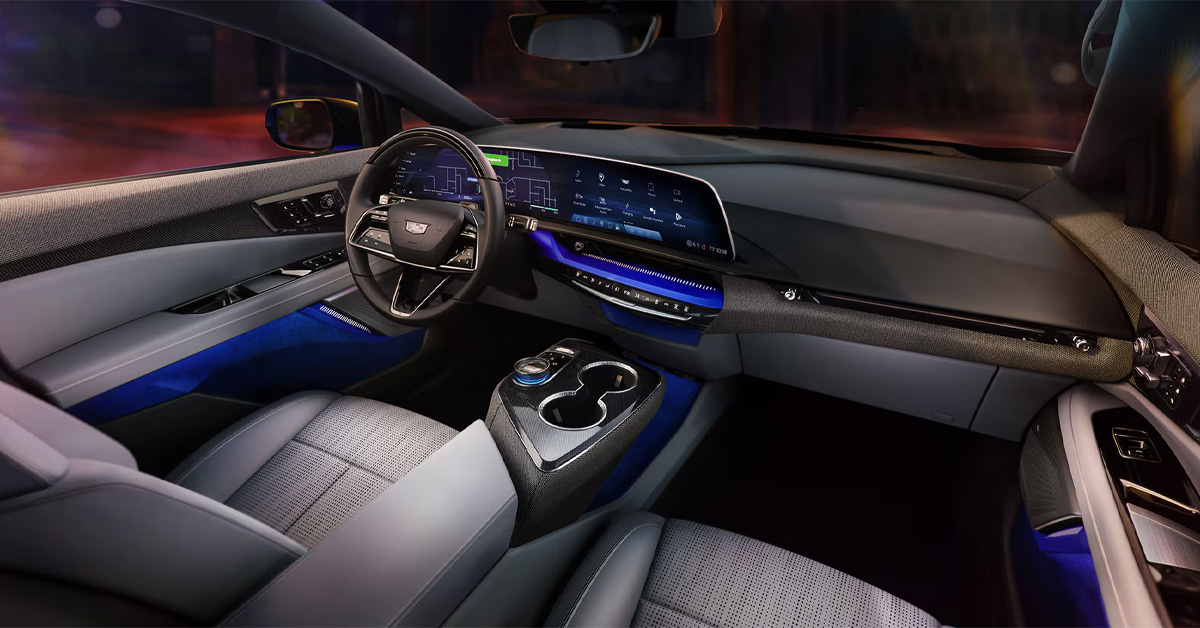
In 2026, you can remotely start your Cadillac’s heating and AC via either the myCadillac app or the key fob remote start function, allowing the vehicle to pre-condition the cabin before you enter. Once activated, the system automatically adjusts temperature, airflow, and available comfort settings based on your last preferences so the interior is ready when you are. This feature works across supported models like the LYRIQ, OPTIQ, and Escalade to deliver consistent comfort in any season.
Crestview Cadillac is here to help you with every part of your ownership journey, including vehicle sales, certified service, genuine parts, and flexible financing options. Whether you are exploring a new Cadillac or need help maintaining your current one, our team is ready to guide you with straightforward support. Contact us today or visit Crestview Cadillac to get started with expert assistance and a seamless experience from financing to service and beyond.
What Steps Are Required to Turn on Cadillac Heating and AC Remotely Using the myCadillac App?
The myCadillac app gives you full access to Cadillac remote climate control 2026 features, allowing you to start heating or cooling your vehicle before you even step outside. This helps ensure the cabin is comfortable right when you get in, whether you are heading out early in the morning or finishing a long day. In newer models like the OPTIQ, the system responds quickly and smoothly, making remote setup feel effortless.
Simple steps to start climate control
Once your vehicle is connected to the app, the process only takes a few taps:
- Open the myCadillac app and select your vehicle
- Tap into the “Controls” menu
- Choose the climate option
- Select heating or AC
- Press start to activate
The system will automatically adjust based on your last saved settings.
What happens after activation
After you start the system, your Cadillac begins preparing the cabin by:
- Adjusting the temperature based on your last preference
- Activating airflow and fan settings automatically
- Preparing the interior before you enter
This means you can step into a vehicle that already feels ready, no matter the weather conditions outside in areas like Valinda or Irwindale.
Why does it make daily driving easier?
Instead of waiting for the cabin to warm up or cool down, everything is handled in advance through your phone. It adds convenience, especially on busy days when timing matters.
If you need help setting up your app or learning how to use remote climate features in your OPTIQ, Crestview Cadillac can assist with setup and guidance so everything works exactly as intended.
How Do You Remotely Start Cadillac AC and Heat Using the Key Fob or Remote Start Feature?
The key fob remote start system gives you a fast way to remotely start the Cadillac AC and heat without using your phone. It activates your vehicle’s climate system based on your last saved settings, so the cabin begins adjusting before you even open the door. In larger models like the Escalade, this feature is especially helpful since it helps bring the interior to a comfortable temperature more quickly.
How to activate remote start with the key fob
Using the key fob only takes a few seconds:
- Press the lock button twice
- Press and hold the remote start button
- Wait for confirmation from the lights or the horn
Once activated, the vehicle starts preparing the cabin automatically.
What the system does after starting
After the remote start is engaged, your Cadillac will:
- Adjust heating or cooling based on prior settings
- Activate defrost or ventilation when needed
- Begin conditioning the cabin before entry
- Run for a limited time before shutting off
This ensures the vehicle is ready when you are, without extra steps.
Why is it useful in everyday situations
On a cold morning in Irwindale or a warm afternoon in Valinda, starting your Escalade ahead of time means stepping into a cabin that already feels close to ideal. It removes the wait time and makes every drive feel more comfortable from the moment you enter.
If you need help getting familiar with remote start or want to explore Escalade models with advanced climate features, Crestview Cadillac can assist with setup and guidance so everything works smoothly from the start.
What Climate Customization Options Are Available Through Cadillac Remote Controls?
Cadillac remote climate features allow more than just turning the system on. Through Cadillac remote start climate settings, you can adjust key comfort preferences before entering the vehicle so the cabin is already aligned with how you like it. In models like the LYRIQ, these adjustments respond quickly and smoothly, making pre-conditioning feel seamless.
Key settings you can control remotely
Once connected through the app or remote start system, you can manage several comfort options:
- Cabin temperature adjustment based on your preference
- Fan speed control for stronger or softer airflow
- Airflow direction to target specific areas
- Sync settings to unify cabin zones
- Last-used climate preferences that restore automatically
These settings work together to prepare the interior, not just activate it.
How it feels in everyday use
On a cool morning in Walnut, you can set a warmer, gentle airflow before leaving home. On a hot afternoon in Valinda, a stronger cooling setting can be activated in advance so the cabin feels comfortable right away. Instead of waiting for the system to adjust after starting the vehicle, everything is already in place.
Why these options matter
These remote adjustments help you:
- Enter a cabin that already feels comfortable
- Reduce manual changes after starting the vehicle
- Maintain consistent comfort across weather changes
- Improve overall driving readiness
If you want help getting these features set up or want to see how they work in a LYRIQ, Crestview Cadillac can walk you through the process and make sure your system is fully optimized for daily use.
How Do LYRIQ, OPTIQ, and Escalade Models Enhance Remote Climate Comfort?
Cadillac’s newer models refine remote climate control by making pre-conditioning faster, smarter, and more consistent. The Cadillac heating and AC remote access guide for these vehicles highlights improved response times and better integration with driver preferences, so the cabin feels ready before you even open the door.
How each model improves comfort
Each vehicle handles remote climate control in a slightly different way based on its design and technology:
LYRIQ
- The electric platform enables quick, quiet preconditioning
- Efficient temperature control without engine delay
- Smooth cabin-wide comfort before entry
OPTIQ
- Fast, responsive climate activation through connected systems
- Easy syncing with saved preferences
- Well-balanced comfort for daily driving needs
Escalade
- Strong multi-zone climate performance for a larger cabin
- Consistent heating and cooling across all rows
- Enhanced comfort for passengers in every seat
Why these differences matter
While the goal is the same, each model delivers a tailored experience based on size and system design. Smaller cabins respond quickly and efficiently, while larger SUVs focus on maintaining comfort across multiple seating areas.
A more comfortable start every time
From solo commutes to family trips around Irwindale or Walnut, these systems help ensure the cabin is already comfortable before you step in. It reduces wait time and makes every drive feel more controlled from the start.
If you want help understanding which model fits your needs or need assistance setting up remote climate features, Crestview Cadillac can guide you through the process and make sure everything is ready for everyday use.
What Limitations or Requirements Should You Know About Cadillac Remote Climate Features?
Cadillac’s 2026 remote climate control 2026 features are highly convenient, but they do require a few conditions to work properly. In models like the OPTIQ, performance is smooth once set up, but remote heating and cooling depend on connectivity, subscriptions, and system settings.
Key requirements to use remote climate control
Before using remote features, make sure the following are in place:
- Active myCadillac account with your vehicle connected
- Eligible OnStar or connected services plan
- Stable cellular connection for remote commands
- Properly enabled vehicle remote settings
Without these, remote climate commands may not activate.
Built-in system limits to know
Even when everything is active, the system operates within set limits:
- Remote start runs for a limited duration before shutting off
- Climate adjustments follow stored settings, not manual fine-tuning in real time
- Extreme temperatures may take longer to fully balance the cabin
- Additional remote starts may be needed in harsh weather
These safeguards help protect the vehicle while maintaining comfort.
Why this matters in daily use
On a cold morning in Walnut or a warm afternoon in Irwindale, you may notice the cabin improves gradually rather than instantly. This is normal and part of how the system manages efficiency and safety.
If you want help confirming your connected services or setting up remote climate features in your OPTIQ, Crestview Cadillac can assist so everything is properly activated and ready for everyday use.
How Does Cadillac Remote Climate Control Improve Daily Driving in Vincent, Irwindale, Valinda, and Walnut?
How Do I Remotely Turn on the Heating or AC in My Cadillac?
You can remotely turn on the heating or AC in your Cadillac using the myCadillac app by selecting your vehicle, opening Controls, choosing Climate, and starting the system. You can also use the key fob remote start feature, which activates your last saved climate settings automatically.
Can I Control My Cadillac’s Climate Settings With the Key Fob or App?
Yes, you can control your Cadillac’s climate settings with both the myCadillac app and the key fob. Both options allow you to start the vehicle remotely and activate heating or cooling based on your previously saved preferences.
Which 2026 Cadillac Models Offer Remote Climate Control?
Most newer Cadillac models with remote start and connected services support remote climate control, including vehicles like the LYRIQ, OPTIQ, and Escalade, depending on configuration and active subscription services.
Why Is My Cadillac Remote Heating or AC Feature Not Working?
Your remote heating or AC feature may not work if your connected services subscription is inactive, the vehicle is outside cellular range, the myCadillac app is not properly connected, or remote start features are turned off in vehicle settings.
Does Remote Climate Control Automatically Adjust Cabin Temperature in a Cadillac?
Yes, Cadillac remote climate control automatically adjusts cabin temperature based on your last saved settings and current conditions. It manages heating, cooling, fan speed, and airflow without requiring manual adjustments each time.
Stay Connected to Cadillac Comfort and Remote Convenience
Remote climate control is only one part of what makes modern Cadillac ownership more convenient. Being able to prepare your cabin before you enter adds everyday comfort that quickly becomes second nature, whether you are heading to work or starting a weekend drive. It is a simple feature that makes a noticeable difference in how each trip begins.
Explore Cadillac technology and luxury in person
Drivers from Vincent, Irwindale, Valinda, and Walnut can explore a full lineup of models like the LYRIQ, OPTIQ, and Escalade, each offering advanced comfort and connected features designed for daily use.
If you are comparing options, it can also help to look at how Cadillac models stack up against others in their class. Insights like Cadillac Escalade Luxury vs. Platinum Luxury and Cadillac LYRIQ Sport vs. BMW iX xDrive60, along with considerations around the downsides of the Tesla Model Y vs. Cadillac Escalade IQ, offer a closer look at performance, comfort, and technology differences that matter in real driving situations.
Experience it for yourself at Crestview Cadillac
If you want help learning more about remote climate features or exploring available Cadillac models, Crestview Cadillac is ready to assist. Our team can guide you through features, comparisons, and inventory so you can choose the right fit with confidence.
Visit or contact Crestview Cadillac today to get started and experience how Cadillac comfort and technology work together on every drive.
Get Directions to Crestview Cadillac
Disclaimer: All information is provided for general informational and entertainment purposes only. While we strive for accuracy, we cannot guarantee that all content is complete, current, or error-free. Any reliance you place on such information is strictly at your own risk. This article may include opinions and is not endorsed by, or officially affiliated with, any vehicle manufacturer or brand. Always consult official sources – such as the vehicle’s owner’s manual, authorized dealerships, or certified professionals – for the most up-to-date and personalized information.
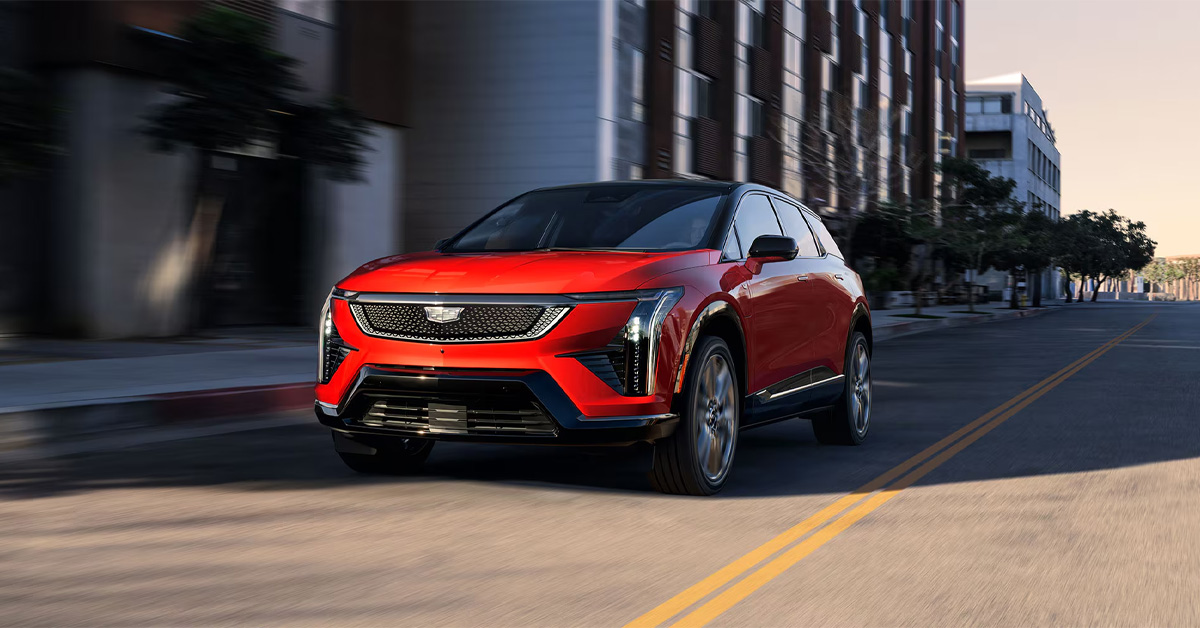
Whether you drive a Cadillac LYRIQ, OPTIQ, Escalade, or another Cadillac model, remote start makes it easy to warm up or cool down your vehicle before you get behind the wheel.
In many Cadillac vehicles, simply lock the vehicle and use the looping-arrow button on your key fob to start the engine remotely, helping create a more comfortable cabin while keeping the vehicle secure. Understanding the correct button sequence, operating limits, and troubleshooting steps can help you get the most from your Cadillac remote start feature.
At Crestview Cadillac, our team is committed to helping drivers with everything from finding the right Cadillac to maintaining it for years to come. Whether you need assistance with sales, financing, vehicle features, professional service, or genuine Cadillac parts, we are here to help. Contact or visit Crestview Cadillac today and let our knowledgeable staff assist with all your automotive needs.
How to Remote Start a Cadillac With a Key Fob: Step-by-Step Instructions
Using your Cadillac’s remote start feature is straightforward once you know the proper button sequence. While some model-specific variations may exist, most vehicles follow the same general process. These Cadillac remote start instructions for 2026 can help you confidently activate the feature and enjoy a more comfortable cabin before you begin your drive.
Before You Start
A few conditions should be met before attempting remote start:
- The vehicle should be parked safely outdoors or in a well-ventilated area.
- The doors should be locked.
- The key fob battery should be functioning properly.
- The vehicle must be equipped with the factory remote start feature.
Many remote start issues occur because one of these basic requirements has not been met.
Step 1: Locate the Remote Start Button
Look at your Cadillac key fob and find the button marked with a looping-arrow symbol. This is the dedicated remote start button and is typically located alongside the lock, unlock, trunk release, and panic buttons.
Step 2: Lock the Vehicle
Many Cadillac models require the vehicle to be locked before remote start can be activated.
Press the Lock button on the key fob and verify that the vehicle is secured.
Step 3: Activate Remote Start
Depending on your Cadillac model, use one of the following methods:
- Press and hold the looping-arrow remote start button until the vehicle starts.
Or
- Press the Lock button first, then press and hold the looping-arrow remote start button until the vehicle starts.
Step 4: Watch for Confirmation
When the remote start command is successful, you’ll typically notice:
- Flashing exterior lights
- The vehicle starts remotely
- Climate-control functions activate on equipped vehicles
These visual cues confirm that the system received the command and the vehicle is running.
Step 5: Enter and Drive Normally
Remote start prepares the vehicle, but it does not fully activate it for driving.
When you’re ready to leave:
- Enter the vehicle with the key fob.
- Press the brake pedal.
- Press the Power or Start button.
- Shift into gear and drive.
This additional step helps maintain vehicle security while still providing the convenience of remote engine operation.
Does the process differ on models like the Cadillac OPTIQ?
The overall procedure remains similar across much of the Cadillac lineup, including the Cadillac OPTIQ when properly equipped. However, available features, settings, and operations can vary by model year and trim level. Owners should always familiarize themselves with the features specific to their vehicle.
Once you’ve used remote start a few times, the process quickly becomes second nature. If you have questions about Cadillac technology features, need assistance with your vehicle, or are interested in exploring a new Cadillac, visit Crestview Cadillac. Our team can help with sales, financing, service, parts, and expert guidance on the latest Cadillac innovations.
What Happens After You Remote Start Your Cadillac?
After a successful remote start, your Cadillac’s engine starts while the vehicle remains locked for security. The exterior lights typically flash to confirm that the command was received, and equipped models may automatically begin heating or cooling the cabin to create a more comfortable environment before you enter.
What Does Remote Start Do?
Once activated, the system can help prepare your vehicle for the road by:
- Starting the engine remotely
- Keeping the doors locked and secure
- Activating climate-control features on equipped models
- Improving cabin comfort in hot or cold weather
For example, drivers of a Cadillac Escalade can enjoy a more comfortable cabin before leaving home, especially during extreme temperatures.
Can You Drive Immediately After Remote Start?
Not yet. Remote start prepares the vehicle, but additional steps are required before driving:
- Enter the vehicle with the key fob.
- Press the brake pedal.
- Press the Power or Start button.
- Shift into gear and drive.
This security measure helps ensure only an authorized driver can operate the vehicle.
Following the steps in a Cadillac key fob remote start guide can help you take full advantage of this convenient feature. If you have questions about Cadillac technology, financing options, service, or available models, the team at Crestview Cadillac is here to help.
How Long Does the Cadillac Remote Start Stay On and How Can You Cancel It?
Remote start on most Cadillac models runs for about 20 minutes per cycle. In some cases, you can extend use up to 40 minutes total by restarting the system before it fully times out. This gives enough time to precondition the cabin before you leave, especially helpful when using how to use Cadillac remote start feature during extreme weather.
How to Cancel Remote Start
You can stop a remote start at any time using one of these simple methods:
- Press the remote start (looping-arrow) button on the key fob again
- Turn on the hazard lights
- Start the vehicle normally, then shut it off
Why Timing Matters
Whether you’re warming up the cabin on a cold morning or cooling it down before driving a Cadillac LYRIQ, the timed system helps balance comfort with efficiency. It prevents unnecessary idling while still giving you enough time to get ready.
If you want help getting the most out of your Cadillac features or need support with any vehicle settings, Crestview Cadillac is available to assist with sales, service, and financing questions.
Why Won’t My Cadillac Remote Start Work?
When the remote start does not respond, it is usually due to a simple condition that the system is detecting for safety. A quick check of a few basics often resolves the issue and gets everything working again.
Common Causes
Most remote start problems come down to a handful of familiar issues:
- The vehicle is not locked before activation
- A weak or dead key fob battery
- A warning light or system alert is active
- The hood or the door is not fully closed
- The vehicle is not equipped with remote start
Even small details can block the system from engaging.
Key Fob or Signal Issues
If the key fob signal is weak, the vehicle may not receive the command. This is one of the most common reasons drivers run into Cadillac remote engine troubleshooting situations.
Signs to watch for include:
- No flashing lights after pressing the button
- Reduced the range of the vehicle
- Delayed or inconsistent response
In many cases, replacing the key fob battery restores normal function.
Built-In Safety Restrictions
Cadillac systems are designed to prevent remote start when something needs attention. For example, a warning light or open hood can temporarily disable the feature.
This applies across much of the lineup, including newer models like the OPTIQ, where system checks help ensure safe operation before the vehicle starts remotely.
Quick Fixes to Try
Before heading to service, try these simple steps:
- Lock the vehicle and try again
- Replace the key fob battery if needed
- Check that all doors and the hood are fully closed
- Restart the vehicle and retry later
If the issue continues, professional diagnostics may be needed.
For help with remote start concerns or any Cadillac features, Crestview Cadillac is available to assist with service, technology support, financing, and vehicle needs.
Can you remote start a Cadillac LYRIQ, OPTIQ, or Escalade?
Yes, many Cadillac models support remote start when properly equipped, including the LYRIQ, OPTIQ, and Escalade. While the process for how to remotely start a Cadillac with a key fob is generally similar across these vehicles, availability and exact steps can vary by trim and model year.
How It Works Across Models
The core function stays the same, starting the vehicle remotely while keeping it locked for security. Most drivers use it to precondition the cabin before getting in.
Common benefits include:
- Remote engine start from the key fob
- Locked the vehicle during operation for security
- Cabin heating or cooling before entry
- Added convenience in daily driving
For example, the LYRIQ uses its advanced systems to help prepare the cabin efficiently, while larger SUVs focus on maximizing interior comfort.
What Can Be Different
Even though the feature is shared, small differences may appear between models:
- Some require pressing the lock button first
- Confirmation signals may vary slightly
- Climate response depends on vehicle equipment
- EV models may manage cabin conditioning differently
Key Takeaway for Owners
The feature is designed to be simple, but it is always best to:
- Learn your specific key fob layout
- Check your owner’s manual for exact steps
- Confirm your vehicle is equipped with remote start
If you are exploring a new Cadillac or want help understanding features like remote start, Crestview Cadillac is ready to assist with vehicle selection, financing, service, and more.
Can You Remote Start Your Cadillac From a Smartphone?
Yes, many newer Cadillac models allow remote start through the official mobile app, offering a convenient alternative to using the key fob. It follows Cadillac remote start instructions for 2026 in a connected format, letting you start the vehicle from virtually anywhere with a signal.
How It Works
Using the app, you send a remote start command directly to your vehicle. Once confirmed, the engine starts while the vehicle remains locked for security, similar to the key fob process.
This is especially helpful when you are indoors and want the cabin ready before you step outside.
What You Can Do in the App
In addition to remote start, the app can help you manage several vehicle functions:
- Start or stop the engine remotely
- Lock and unlock doors
- View vehicle status and alerts
- Check the charging status on EV models
- Access basic maintenance information
For drivers of models like the OPTIQ, these features add everyday convenience, especially during busy schedules.
When It Is Most Useful
Smartphone remote start is ideal when:
- The key fob is not with you
- You want to start the vehicle from inside a building
- You need quick access to vehicle controls
- You prefer app-based convenience
Important Requirements
To use this feature, you typically need the following:
- A compatible Cadillac with remote access capability
- The mobile app is installed and linked to your vehicle
- An active connected services plan, if required
- A stable cellular or data connection
If you need help setting up remote access or want to explore Cadillac technology features in person, Crestview Cadillac can walk you through everything from setup to financing and ownership support.
How Do I Remotely Start My Cadillac Using the Key Fob?
A Cadillac can be remotely started by pressing the lock button on the key fob, then pressing and holding the remote start button with the looping arrow symbol until the vehicle’s lights flash and the engine starts.
Which Cadillac Models Come With Remote Start In 2026?
Many Cadillac models may come with remote start in 2026, including the Escalade, LYRIQ, OPTIQ, XT4, XT5, XT6, CT4, and CT5, depending on trim level and equipment.
Why Is My Cadillac Remote Start Not Working?
A Cadillac remote start may not work if the vehicle is not locked, the key fob battery is weak, there is a system or warning light active, the hood or doors are not fully closed, or the vehicle is not equipped with remote start.
How Far Away Can I Remote Start My Cadillac With The Key Fob?
Cadillac does not provide an exact distance, but remote start typically works within a moderate range of the vehicle, depending on environmental conditions and key fob battery strength.
Does Remote Start Automatically Adjust The Cabin Temperature In A Cadillac?
Yes, a Cadillac can automatically adjust cabin temperature during remote start on properly equipped models, activating climate controls to help heat or cool the interior before you enter.
Explore Cadillac Remote Features and Find the Right Model for You
Understanding how remote start works is just one part of getting the most out of modern Cadillac technology. Whether you are preparing for cold mornings or hot afternoons, or simply want more convenience in your daily drive, these features are designed to make ownership more effortless and refined.
For drivers comparing luxury SUVs and EV options, it is worth exploring how different Cadillac models bring this experience to life. From advanced electric performance to full-size comfort, each lineup offers a distinct approach to everyday driving confidence and convenience.
Compare Cadillac Innovation and Luxury
If you are researching your next vehicle, you may also find it helpful to look at how Cadillac stacks up in real-world comparisons. These insights can help you understand differences in comfort, technology, and overall driving experience:
- Luxury trim differences in the Cadillac Escalade lineup
- How Cadillac EV performance compares against other electric SUVs
- Head-to-head evaluations of Cadillac’s all-electric and luxury SUV offerings
For a deeper look at these topics, you can explore our detailed comparisons on Cadillac luxury trims, electric SUV competition, and Cadillac performance faceoffs.
Serving Drivers Across the Local Area
Crestview Cadillac proudly supports drivers from Vincent, Irwindale, Valinda, and Walnut with a wide selection of premium vehicles and expert automotive care. Whether you are interested in a fully electric Cadillac LYRIQ, a versatile OPTIQ, or the commanding presence of an Escalade, our team is here to help you find the right fit.
We also offer support across every stage of ownership, including financing options, service, and ongoing vehicle care, so you can enjoy a smooth experience long after you drive off the lot.
Connect With Crestview Cadillac
If you have questions about remote start features, vehicle technology, or available Cadillac models, our team is ready to help. Visit or contact Crestview Cadillac today to explore inventory, compare options, and get personalized guidance tailored to your driving needs.
Get Directions to Crestview Cadillac
Disclaimer: All information is provided for general informational and entertainment purposes only. While we strive for accuracy, we cannot guarantee that all content is complete, current, or error-free. Any reliance you place on such information is strictly at your own risk. This article may include opinions and is not endorsed by, or officially affiliated with, any vehicle manufacturer or brand. Always consult official sources – such as the vehicle’s owner’s manual, authorized dealerships, or certified professionals – for the most up-to-date and personalized information.
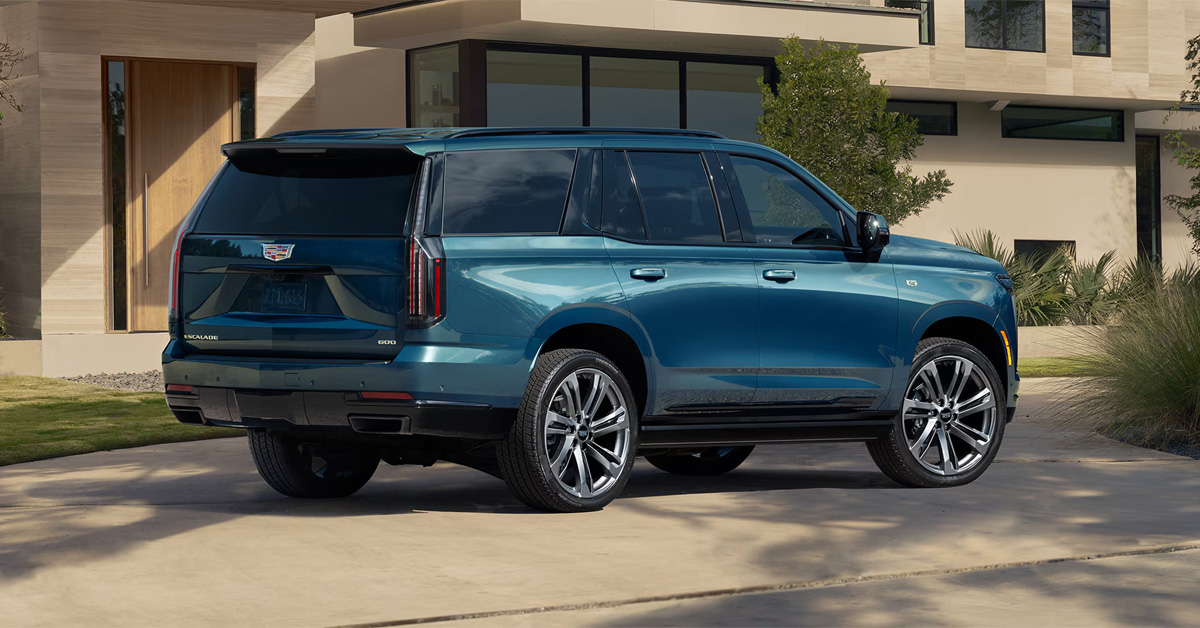
The 2026 Cadillac Escalade lineup separates into three distinct personalities: Sport, Platinum Sport, and V-Series. The Sport delivers refined luxury and advanced technology, the Platinum Sport elevates comfort with premium materials and executive-level amenities, while the V-Series transforms the Escalade into a high-performance SUV powered by a supercharged V8. Understanding the differences between these trims makes it easier to identify which Escalade best fits your driving style, whether you prioritize comfort, capability, or pure performance.
Crestview Cadillac is proud to serve drivers looking for a premium Escalade experience backed by expert guidance and personalized support. From new Cadillac sales and flexible financing options to certified service, genuine parts, and ongoing maintenance, our team is here to assist at every stage of ownership. Contact us today or visit Crestview Cadillac to explore the Escalade lineup in person and get help selecting the right model for your needs.
What Does the 2026 Cadillac Escalade Trim Comparison Reveal About Sport, Platinum Sport, and V-Series?
The 2026 Cadillac Escalade V-Series vs Platinum Sport vs Sport lineup highlights three distinct approaches to luxury SUV design. While all three share the same Escalade foundation, each trim delivers a different focus, from refined everyday comfort to elevated luxury and high-performance capability. Understanding these differences helps clarify which Escalade best matches driving style and expectations.
Sport Trim
The Escalade Sport serves as the balanced entry point, offering modern technology, smooth performance, and premium comfort for daily use. It’s a strong fit for drivers who want luxury without excess complexity.
Platinum Sport
The Platinum Sport elevates the experience with upgraded materials and comfort-focused enhancements such as:
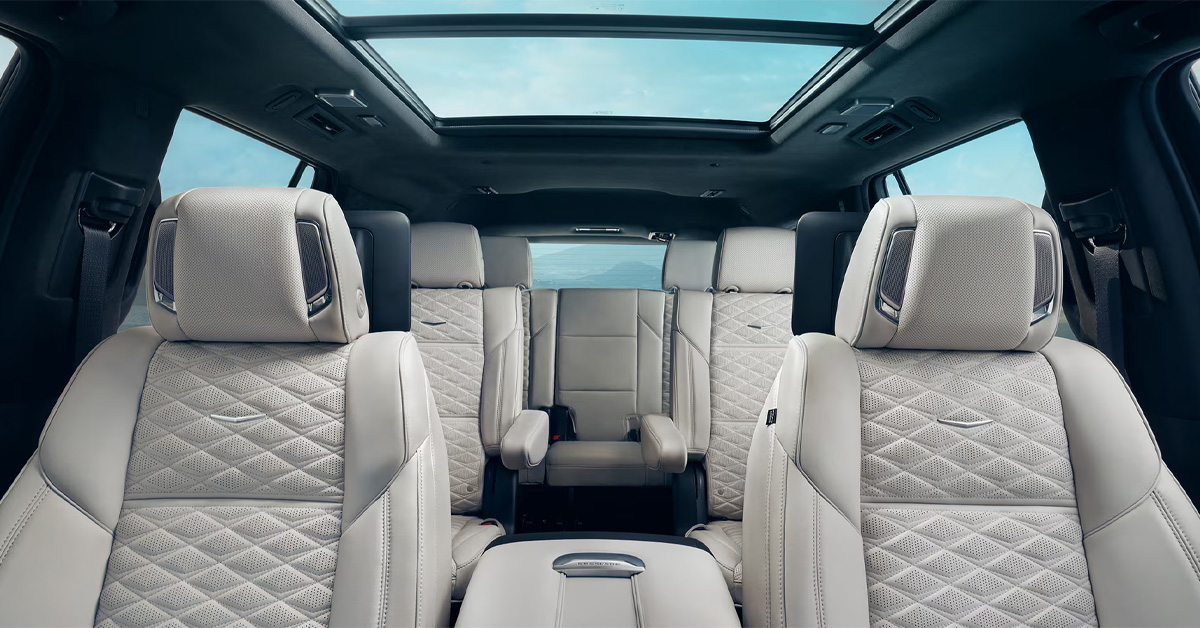
- Semi-aniline leather seating with massage and ventilation
- Executive Second Row comfort features
- Enhanced audio and rear entertainment options
- Air Ride suspension for improved ride quality
This trim is often chosen by those who prioritize passenger comfort and a more refined cabin experience.
V-Series Trim
At the top, the V-Series transforms the Escalade into a performance-focused SUV. The Escalade V-Series vs Sport Platinum comparison becomes clear here, as the V-Series introduces a supercharged V8 engine, sport-tuned handling, and aggressive design elements that emphasize power and control over traditional luxury tuning.
Together, these trims show how the Escalade lineup adapts to different priorities, whether that’s comfort, luxury, or performance. For drivers in Vincent, Irwindale, Valinda, and Walnut, the right choice depends on how the vehicle will be used day to day.
To explore which Escalade trim fits your needs best, Crestview Cadillac offers personalized guidance, financing options, and hands-on vehicle support to help you make a confident decision.
How Do the 2026 Escalade Sport, Platinum Sport, and V-Series Differ in Exterior Design and Interior Luxury?
The Escalade V-Series performance vs luxury trims comparison is most obvious in how each model looks and feels. While all three share the same bold Escalade presence, each trim has its own design language that reflects its purpose, from refined luxury to performance-focused styling.
Exterior design differences
The Sport trim delivers a clean, modern luxury appearance with subtle chrome accents and a confident road stance. It feels upscale without being overly aggressive, making it a strong everyday luxury SUV.
The Platinum Sport adds more refinement and visual sophistication, with premium wheel designs, richer finishes, and a more executive-level presence on the road.
The V-Series stands apart with a more aggressive look. Performance styling cues, darker accents, and sport-focused details emphasize its power-driven identity.
Key exterior distinctions:
- Sport: balanced luxury styling for everyday use
- Platinum Sport: elevated premium design with refined detailing
- V-Series: bold, performance-inspired appearance
Interior luxury and comfort
Inside, the differences become even more noticeable. The Sport focuses on modern comfort, advanced technology, and spacious seating for daily driving.
The Platinum Sport moves further into luxury with upgraded materials and comfort features such as:
- Premium leather seating with massage functions
- Enhanced audio and entertainment systems
- Executive-style rear seating comfort
The V-Series maintains luxury but adds a more performance-oriented feel. Driver-focused controls and sport-inspired design elements highlight its capability while still offering premium materials throughout the cabin.
Real-world feel behind the wheel
In daily use, each trim delivers a different experience. Sport is practical and refined, Platinum Sport is comfort-focused for longer trips, and V-Series brings a more engaging, performance-driven feel without losing Escalade luxury.
For drivers in Vincent, Irwindale, Valinda, and Walnut, the right choice depends on whether the priority is comfort, premium refinement, or performance capability.
Crestview Cadillac can help compare these trims in person and walk through financing options, making it easier to choose the Escalade that fits your driving style.
What Standard Features Define the 2026 Cadillac Escalade Sport Trim?
The Sport trim sits at the foundation of the Cadillac Escalade trim comparison full lineup, offering a balanced mix of luxury, technology, and everyday practicality. It delivers the core Escalade experience with modern features that feel premium without moving into higher-tier luxury or performance configurations.
Core Escalade Sport features
The Escalade Sport focuses on comfort, space, and usability while maintaining strong performance from its standard V8 engine. It is designed for drivers who want a refined SUV that works well for both daily commuting and longer trips.
Key standard features include:
- 6.2L V8 engine with smooth power delivery
- Three-row seating with generous passenger space
- Curved 55-inch Horizon Display™ digital cockpit
- Advanced infotainment and connectivity features
- Flexible cargo and seating configurations
Comfort and technology focus
Inside the Escalade Sport, the emphasis is on a clean, modern cabin with intuitive technology. The large digital display integrates navigation, media, and vehicle controls into one streamlined system, making it easy to stay connected on the road.
In everyday driving around Vincent, Irwindale, Valinda, and Walnut, this translates to:
- Simple access to navigation and apps
- Comfortable seating for passengers in all rows
- A quiet cabin suited for long highway drives
- Smooth integration of digital controls and driver information
Where the Sport trim fits
Within the Escalade lineup, the Sport trim represents the entry point into full-size luxury SUV ownership. It provides essential comfort and technology features without the added complexity or cost of higher trims.
For drivers comparing options, Crestview Cadillac can walk through how the Sport fits into the broader Escalade lineup and help explore financing options to match your needs.
What Luxury Upgrades Set the Escalade Platinum Sport Apart in 2026?
The Platinum Sport stands out in the Cadillac Escalade trim comparison full lineup as the version focused on elevated comfort and premium refinement. It builds on the standard Escalade foundation by enhancing materials, seating comfort, and overall cabin experience, creating a more executive-level feel.
Interior luxury and comfort upgrades
Inside the Escalade Platinum Sport, the biggest difference is the attention to detail and comfort-focused design. The cabin feels more upscale and tailored for long-distance travel or daily luxury driving.
Key upgrades include:
- Semi-aniline leather seating with massage and ventilation
- Enhanced seat adjustability for added comfort
- Premium interior finishes throughout the cabin
- Quieter, more refined ride experience
Executive rear seating experience
Rear passengers also benefit from a more premium setup, making the Escalade feel closer to a luxury lounge than a traditional SUV.
Highlights include:
- Executive-style second-row seating
- Increased comfort and space for longer trips
- Available rear entertainment features
- Improved overall passenger experience
This makes a noticeable difference for families or professionals who spend more time in the back seats.
Technology and convenience enhancements
The Platinum Sport also improves the in-cabin technology experience, adding more convenience and entertainment for all occupants.
Key features include:
- Upgraded premium audio system
- Rear-seat entertainment options
- Advanced driver assistance features
- Enhanced cabin comfort controls
Where the Platinum Sport fits in the Escalade lineup
Within the Cadillac Escalade trim comparison full lineup, the Platinum Sport is positioned for drivers who want a clear step up in luxury without moving into performance-focused trims. It balances comfort, technology, and refinement in a way that feels noticeably more premium than the base model.
For drivers in Vincent, Irwindale, Valinda, and Walnut, this trim is often the ideal match for daily comfort and long-distance travel.
Crestview Cadillac can help you compare trims side by side and explore financing options to find the Escalade that best fits your needs.
How Does the Escalade V-Series Elevate Performance Beyond Luxury Trims?
The V-Series takes the Escalade into a different category by focusing on high-performance driving without losing its luxury foundation. In the discussion of the best Escalade trim 2026, it stands out for drivers who want power, precision, and full-size SUV presence in one package.
Performance-focused engineering
The biggest difference is the supercharged V8 engine, which delivers significantly stronger acceleration and a more dynamic driving feel compared to luxury-oriented trims. AWD capability and performance tuning also enhance control in a variety of road conditions.
Key performance highlights include:
- Supercharged V8 for increased power and response
- Sport-tuned suspension and handling upgrades
- Brembo® performance braking system
- An active exhaust system for a more aggressive sound
Design and driving character
The V-Series also introduces a more aggressive exterior style, with darker accents, quad exhaust outlets, and performance-inspired detailing. These elements reinforce its focus on capability rather than just comfort.
Inside, the Escalade still maintains luxury materials, but with a more driver-focused layout and performance-oriented features integrated into the cabin experience.
Technology with a performance edge
Advanced technology remains central, including premium audio, digital displays, and connectivity features. The difference is how these systems support a more engaging driving experience through performance readouts and drive mode customization.
Where the V-Series fits in the lineup
Within the Escalade family, the V-Series sits at the top for performance. While other trims focus on comfort or luxury refinement, this version is built for drivers who want the strongest driving capability available.
Crestview Cadillac can help you compare trims in person, explore financing options, and determine whether the V-Series is the right fit for your driving style and needs.
Escalade V-Series vs Sport Platinum: Which Trim Balances Power and Comfort Best?
In the 2026 Cadillac Escalade V-Series vs Platinum Sport vs Sport comparison, the choice between V-Series and Sport Platinum comes down to how much you value performance versus comfort. Both sit near the top of the Escalade lineup, but they deliver very different driving experiences.
V-Series: performance-focused driving
The V-Series is designed for stronger acceleration, sharper handling, and a more engaging drive. It prioritizes power while still maintaining Escalade luxury.
Key highlights:
- Supercharged V8 engine for maximum output
- Sport-tuned suspension and braking
- More aggressive, driver-focused feel
Platinum Sport: refined luxury and comfort
The Sport Platinum leans into comfort and premium refinement. It delivers a smoother ride and a more relaxed driving experience, especially for longer trips.
Key highlights:
- Enhanced ride comfort with advanced suspension tuning
- Premium interior materials and seating upgrades
- Strong balance of luxury and everyday usability
Which Escalade fits best?
The V-Series suits drivers who want performance and excitement, while the Sport Platinum is better for comfort-focused luxury and passenger experience. Both represent top-tier versions of the Escalade, but they serve different priorities.
For help deciding between trims, Crestview Cadillac can provide a side-by-side walkthrough and financing options to match your needs and driving style.
How Do Technology and Connectivity Features Compare Across All Escalade Trims?
Technology plays a major role across the Escalade lineup, but the experience shifts depending on trim level. In the context of Escalade V-Series performance vs luxury trims, all models share a strong digital foundation, while higher trims refine how that technology is used for either comfort or performance.
Shared technology across all trims
Every Escalade comes equipped with a modern digital cockpit designed for seamless connectivity and control. The system is built to keep drivers informed and connected without unnecessary complexity.
Standard features include:
- Curved 55-inch Horizon Display™ setup
- Built-in navigation and smartphone integration
- 5G Wi-Fi hotspot capability
- Voice control and connected apps
- Core driver assistance technology
Luxury-focused tech upgrades
Higher trims like Platinum Sport enhance the experience by expanding comfort and entertainment features. The focus shifts toward a more immersive cabin environment for all passengers.
Key upgrades include:
- Premium AKG audio systems with expanded sound quality
- Rear-seat entertainment screens
- Enhanced comfort and convenience controls
- Additional driver assistance features
How the V-Series uses technology differently
The V-Series keeps the same core system but uses it in a more performance-oriented way. Displays and controls are tuned to support driving engagement rather than just comfort.
Key differences include:
- Performance data and drive mode information
- More driver-focused interface layouts
- Real-time feedback for handling and acceleration
Everyday connectivity experience
In daily driving around Vincent, Irwindale, Valinda, and Walnut, the Escalade’s technology helps simplify commutes, improve navigation, and keep passengers connected and entertained on longer trips.
Where technology fits in the Escalade lineup
Across all trims, the Escalade delivers strong technology, but the focus shifts between luxury comfort, passenger entertainment, and performance feedback. This balance plays a key role when comparing trims within the lineup.
Crestview Cadillac can help you experience each system in person and explore financing options, making it easier to choose the Escalade that fits your lifestyle.
What Makes the Escalade V-Series Different from Sport and Platinum Sport?
The Escalade V-Series stands out with its performance-focused enhancements, including a supercharged V8 engine, sport-tuned suspension, and performance brakes. Unlike the Sport and Platinum Sport trims, which prioritize luxury and comfort, the V-Series emphasizes power and a dynamic driving experience.
How Does the Supercharged V-Series Engine Compare to Standard V8 Trims?
The supercharged V8 engine in the Escalade V-Series offers significantly more power and performance than the standard V8 trims. It delivers quicker acceleration and more horsepower, making the V-Series the most powerful option in the Escalade lineup.
Which Trim Offers the Best Balance of Performance and Comfort?
The Escalade Platinum Sport offers the best balance of performance and comfort. It combines a smooth, refined ride with powerful performance, premium interior materials, and advanced tech, making it ideal for both comfort and dynamic driving.
Are There Major Differences in Suspension and Driving Dynamics?
Yes, there are notable differences. The V-Series features a sport-tuned suspension that enhances handling and responsiveness, designed for a more engaging drive. In comparison, the Sport and Platinum Sport trims use Air Ride adaptive suspension, which focuses more on providing a smooth and comfortable ride.
Which Escalade Trim Is Best for High-Performance Driving in 2026?
The Escalade V-Series is the best choice for high-performance driving in 2026. Its supercharged V8 engine, sport suspension, and performance brakes make it ideal for drivers seeking maximum performance in a luxury SUV.
Visit Crestview Cadillac for Your Perfect 2026 Escalade
Ready to experience the 2026 Escalade in person? At Crestview Cadillac, we offer a wide selection of trims of the Escalade, including the V-Series, Platinum Sport, and Sport, each designed to cater to different needs. Whether you’re in Vincent, Irwindale, Valinda, or Walnut, our team is here to help you find the perfect fit for your lifestyle. Check out our Escalade vs Escalade ESV Guide, Escalade vs Escalade IQ Comparison, or Escalade vs ESV vs IQ Comparison to explore all the options before you visit.
Come to Crestview Cadillac for a personalized experience, from expert advice to financing options tailored just for you. Our goal is to make your vehicle search easy, and we’re here to assist with every step, from finding the right Escalade to driving it home. Get in touch today to learn more or schedule your test drive!
Get Directions to Crestview Cadillac
Disclaimer: All information is provided for general informational and entertainment purposes only. While we strive for accuracy, we cannot guarantee that all content is complete, current, or error-free. Any reliance you place on such information is strictly at your own risk. This article may include opinions and is not endorsed by, or officially affiliated with, any vehicle manufacturer or brand. Always consult official sources – such as the vehicle’s owner’s manual, authorized dealerships, or certified professionals – for the most up-to-date and personalized information.
The 2026 Cadillac Escalade Sport delivers bold styling, strong performance, and premium luxury essentials, while the Platinum Sport elevates the experience with executive-level comfort, upgraded materials, and enhanced rear-seat amenities. The key difference comes down to refinement versus value-driven luxury, with both trims offering advanced technology, commanding design, and signature Escalade capability for full-size SUV buyers.
Crestview Cadillac is here to support every step of your luxury vehicle journey, from selecting the right Escalade to providing expert service, genuine parts, flexible financing options, and ongoing care. Whether you are comparing trims or ready to take the next step, our team is ready to assist with clear guidance and professional support. Contact us today or visit Crestview Cadillac to explore available Escalade models and financing solutions tailored to your needs.
How Do the 2026 Cadillac Escalade Sport vs Platinum Sport Compare in Overall Value and Positioning?
The 2026 Cadillac Escalade Sport vs Platinum Sport comparison centers on value versus elevated luxury. Both versions of the Escalade deliver strong performance, advanced technology, and premium design, but they serve different priorities. The Sport trim focuses on bold styling and well-balanced luxury, while the Platinum Sport pushes further into executive-level comfort and refinement.
Key positioning differences
- Escalade Sport
- Strong luxury value with modern features and bold exterior styling
- Ideal for drivers who want premium capability without top-tier pricing
- Balanced mix of comfort, technology, and everyday usability
- Platinum Sport
- Higher-tier luxury with upgraded materials and more exclusive finishes
- Enhanced rear-seat comfort and more executive-focused amenities
- Designed for a more refined, first-class cabin experience
Which direction makes more sense?
The Sport trim fits buyers who want a well-equipped Escalade experience at a more accessible luxury level. The Platinum Sport is better suited for those who prioritize elevated comfort, premium detailing, and a more luxurious passenger experience.
For shoppers near Vincent, Irwindale, Valinda, and Walnut, comparing both Escalade models in person at Crestview Cadillac can make the differences much clearer. The right choice depends on whether you prefer balanced luxury or a more executive-level upgrade.
What Are the Key Escalade Sport vs Sport Platinum Differences in Exterior Styling and Design?
The Escalade Sport vs Sport Platinum differences in exterior design come down to bold athletic styling versus refined luxury detailing. Both versions of the Escalade share a commanding road presence, but each trim expresses it in a distinct way.
Sport trim: bold and performance-inspired
The Sport trim focuses on a darker, more aggressive look that emphasizes modern styling.
- Gloss black exterior accents
- Sport grille design with a wider, assertive stance
- Strong wheel designs that enhance a performance feel
It is designed for drivers who want a confident, urban-ready luxury SUV with a sportier edge.
Sport Platinum: refined and premium presence
The Sport Platinum takes the same base design and elevates it with more polished, upscale touches.
- More refined wheel finishes and detailing
- Subtle luxury-focused exterior enhancements
- A cleaner, more executive-level appearance
Which styling fits better?
The Sport trim suits buyers who prefer a bold, athletic look, while the Sport Platinum is ideal for those who want a more refined luxury presence without losing the Escalade identity.
For shoppers near Vincent, Irwindale, Valinda, and Walnut, seeing both trims at Crestview Cadillac can make the contrast much easier to appreciate in person.
How Do Interior Materials and Seating Features Differ Between Escalade Sport and Platinum Sport?
The Cadillac Escalade Sport trims comparison shows a clear shift in cabin refinement between the Sport and Platinum Sport. Both offer a spacious, luxury-focused interior, but the level of materials and seating comfort sets them apart.
Sport trim interior: modern comfort and practicality
The Sport trim focuses on premium comfort with a clean, modern design.
- Leather seating with perforated inserts
- Heated and ventilated front seats
- Comfortable, well-equipped second row
- Available rear entertainment for added convenience
It delivers a strong luxury experience suited for everyday driving.
Platinum Sport interior: executive-level refinement
The Platinum Sport elevates the cabin with higher-end materials and enhanced seating comfort.
- Semi-aniline leather with quilting details
- Front seat massage and advanced adjustability
- Executive Second Row with upgraded comfort features
- More premium overall cabin finish
Key takeaway on comfort and seating
The Sport trim balances luxury and usability, while the Platinum Sport focuses on a more first-class, executive-style experience, especially in the rear seats.
For drivers comparing Escalade options near Vincent, Irwindale, Valinda, and Walnut, seeing both interiors at Crestview Cadillac can help make the differences in comfort and craftsmanship much clearer.
Which Trim Offers the Best Escalade Premium Sport Features and Luxury Technology?
Both trims deliver strong Escalade premium sport features, but the level of refinement increases with the Platinum Sport. The Sport trim includes advanced technology and luxury essentials, while the Platinum Sport builds on it with more comfort-focused and executive-level upgrades.
Shared technology highlights
Both versions of the Escalade include a high level of modern innovation:
- 55-inch Horizon Display™ for driver and passenger information
- AKG premium audio system with immersive sound
- Rear-seat entertainment screens
- Super Cruise® hands-free driving technology
- Advanced safety and driver assistance systems
Sport trim: well-equipped and balanced
The Sport trim delivers strong luxury tech without going into full executive territory.
- Intuitive infotainment and digital connectivity
- High-quality audio and safety features
- Comfort-focused technology for daily driving
Platinum Sport: upgraded luxury experience
The Platinum Sport enhances comfort and convenience, especially for passengers.
- More advanced rear-seat comfort features
- Elevated cabin technology experience
- Additional luxury-focused enhancements throughout the interior
Bottom line on technology and features
The Sport trim offers excellent value with modern luxury tech, while the Platinum Sport is better suited for those who want a more refined and passenger-focused experience.
For drivers near Vincent, Irwindale, Valinda, and Walnut, visiting Crestview Cadillac makes it easier to compare both trims side by side and see which level of technology and comfort fits your needs best.
How Do Performance and Ride Quality Compare Between Escalade Sport Trims?
Both versions of the Escalade share the same strong performance foundation, but the driving feel changes slightly depending on how refined you want the ride to be. The Sport trim delivers balanced power and comfort, while the Platinum Sport adds a more polished, quiet, and controlled experience.
Shared performance strengths
Both trims offer the same core capability:
- 6.2L V8 engine with smooth acceleration
- Air Ride Adaptive Suspension for comfort
- Magnetic Ride Control for road adaptability
- Stable, confident highway performance
Sport trim: balanced and confident
The Sport trim focuses on everyday drivability with a composed, straightforward feel.
- Comfortable suspension tuning
- Easy handling for daily driving
- Strong mix of performance and practicality
It is often seen as a strong candidate for the best Escalade sport trim when value and versatility matter.
Platinum Sport: more refined ride quality
The Platinum Sport enhances comfort and smoothness, especially on longer drives.
- Quieter cabin and softer ride feel
- More isolation from road imperfections
- Elevated comfort for passengers
Key takeaway
The Sport trim delivers confident, well-balanced performance, while the Platinum Sport focuses more on refinement and ride comfort.
For drivers near Vincent, Irwindale, Valinda, and Walnut, comparing both at Crestview Cadillac helps highlight the difference in real-world driving comfort.
What Technology and Safety Features Are Standard Across Both Escalade Trims?
In the 2026 Cadillac Escalade Sport vs Platinum Sport comparison, both trims share the same advanced technology and safety foundation. The Escalade delivers a connected, confident driving experience no matter which trim you choose.
Shared technology highlights
Both trims include a strong suite of modern features:
- 55-inch Horizon Display™ with integrated infotainment
- Google built-in connectivity and navigation
- AKG premium audio system
- 5G Wi-Fi hotspot capability
- Rear-seat entertainment screens
Standard safety features
Safety remains consistent across both trims with advanced driver assistance systems:
- Forward Collision Alert with automatic braking
- Lane Change Alert with Blind Zone monitoring
- Intersection Automatic Emergency Braking
- HD Surround Vision camera system
- Rear Pedestrian Alert
Hands-free driving support
- Super Cruise® hands-free driving technology
- Highway driving assistance for reduced fatigue
Key takeaway
Both trims deliver the same strong technology and safety package, making the decision between them more about luxury upgrades than core capability.
For drivers near Vincent, Irwindale, Valinda, and Walnut, Crestview Cadillac can help you experience these features firsthand and see how advanced the Escalade feels on the road.
Which Escalade Trim Is the Best Escalade Sport Trim for Different Luxury SUV Buyers?
The Escalade Sport vs Sport Platinum differences come down to lifestyle and how much luxury refinement you want inside the cabin. Both trims deliver strong capability and premium comfort, but they appeal to different types of buyers.
Escalade Sport: balanced luxury and everyday usability
Best for drivers who want premium features with strong value.
- Ideal for daily commuting and family use
- Bold styling with modern luxury essentials
- Comfortable, tech-focused driving experience
Escalade Sport Platinum: elevated comfort and refinement
Best for buyers who want a more executive-level experience.
- Enhanced rear-seat comfort and premium materials
- More refined, luxury-focused cabin feel
- Suited for long drives and passenger-first comfort
Key takeaway
The Sport trim focuses on value and versatility, while the Sport Platinum prioritizes higher comfort and refinement.
For shoppers near Vincent, Irwindale, Valinda, and Walnut, Crestview Cadillac can help compare both trims side by side to determine which Escalade best fits your lifestyle.
What Upgrades Does The Platinum Sport Add Over The Standard Sport Trim?
The Platinum Sport adds upgraded luxury features over the Sport trim, including semi-aniline leather seating, massage functionality for the front seats, enhanced rear-seat comfort options, and additional premium interior and exterior detailing.
Are There Interior Luxury Enhancements In Platinum Sport?
Yes, the Platinum Sport includes significant interior upgrades such as higher-grade leather materials, quilted seating designs, advanced seat adjustability, and Executive Second Row seating with added comfort and convenience features.
How Do Performance And Handling Compare Between The Two?
Both trims share the same engine and core performance setup, including the V8 powertrain and adaptive suspension systems. The difference is in refinement, with the Platinum Sport offering a slightly more insulated and comfortable ride experience.
Which Trim Is Better For Drivers Who Want Both Performance And Luxury?
Both deliver strong performance, but the Sport trim is better for balanced everyday luxury, while the Platinum Sport is better for drivers who want a more premium, comfort-focused experience.
Is The Price Increase For Platinum Sport Worth It?
The higher price of the Platinum Sport is typically worth it for buyers who prioritize upgraded materials, enhanced seating comfort, and a more executive-style cabin experience. For value-focused buyers, the Sport trim may be the better fit.
Explore More Escalade Options at Crestview Cadillac
Choosing the right Escalade becomes easier when you compare all available configurations side by side. From size differences to technology and performance variations, each model offers a distinct driving experience worth exploring before making a decision.
For additional insight, you can also review related guides like Escalade vs ESV, Escalade vs IQ, and the ESV vs IQ comparison to better understand how each version fits different lifestyles. Drivers near Vincent, Irwindale, Valinda, and Walnut are also invited to visit Crestview Cadillacto explore our full selection of luxury SUVs, including the Escalade, and get hands-on help finding the right fit.
Get Directions to Crestview Cadillac
Disclaimer: All information is provided for general informational and entertainment purposes only. While we strive for accuracy, we cannot guarantee that all content is complete, current, or error-free. Any reliance you place on such information is strictly at your own risk. This article may include opinions and is not endorsed by, or officially affiliated with, any vehicle manufacturer or brand. Always consult official sources – such as the vehicle’s owner’s manual, authorized dealerships, or certified professionals – for the most up-to-date and personalized information.
Cadillac Escalade Platinum Luxury vs Sport [2026]
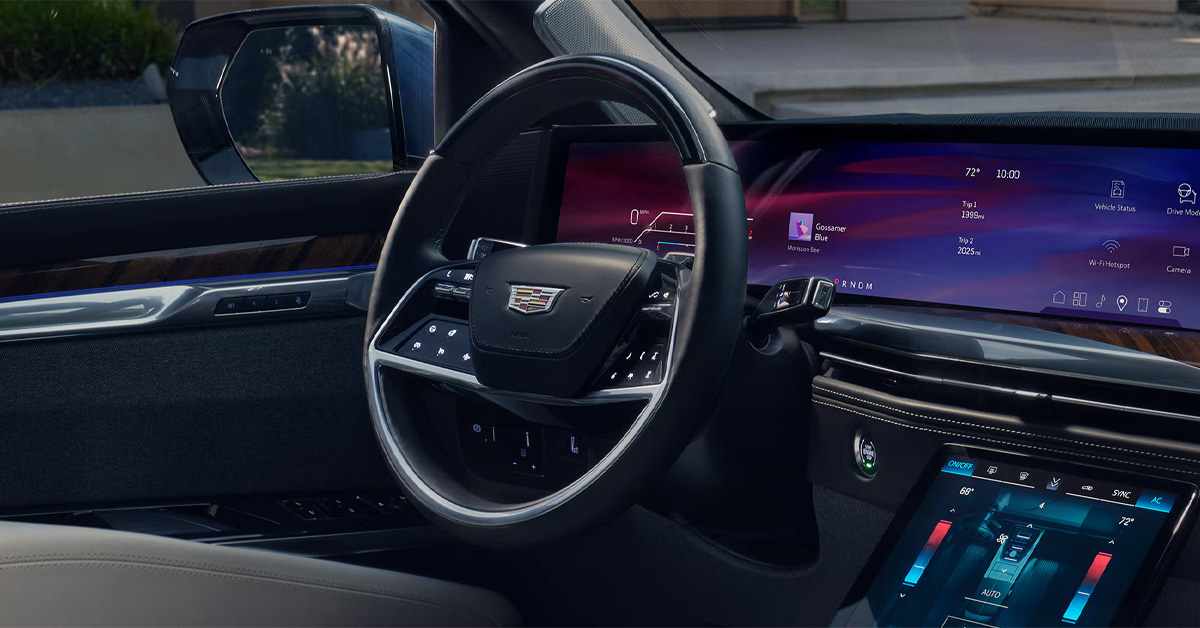
The 2026 Cadillac Escalade Platinum Luxury and Sport trims represent two distinct interpretations of full-size SUV prestige. Platinum Luxury emphasizes elevated craftsmanship, executive comfort, and ultra-premium materials, while Sport delivers a darker, more aggressive design with a performance-inspired aesthetic. Both are built on the same Escalade foundation, yet each trim reshapes the experience through styling, interior appointments, and feature focus, including Cadillac Escalade trim differences 2026 that matter most to Luxury SUV buyers.
Crestview Cadillac is here to support you through every step of your Escalade journey, from model comparisons to ownership guidance and service needs. Our team proudly serves drivers looking for premium Cadillac options, including sales, maintenance, parts, and personalized assistance. Flexible financing options are also available to help make your Escalade purchase more accessible and tailored to your needs. Contact Crestview Cadillac today or visit us to explore your options and get started with confidence.
How Do Escalade Luxury vs Sport Styling Elements Differ in 2026?
The Escalade Luxury vs Sport styling contrast in 2026 is immediately noticeable, even from a distance. Both trims share the same strong Escalade presence, but each one expresses it in a very different way. One focuses on refined brightness and elegance, while the other leans into darker tones and a more aggressive, modern look.
The Platinum Luxury trim highlights sophistication through polished accents and illuminated details that give it a more upscale, executive appearance. The Sport trim takes a bolder direction with gloss black elements and a Sport-specific grille that create a stronger road presence.
Key styling differences include:
- Platinum Luxury: illuminated grille surround and bright metallic accents
- Sport: gloss black exterior trim and darker, more aggressive detailing
- Platinum Luxury: polished, refined design language
- Sport: bold, performance-inspired visual identity
Wheel design also plays a major role in separating the two. Platinum Luxury often features polished finishes that emphasize elegance, while Sport models use darker or mixed finishes that reinforce a more athletic stance. Both can be equipped with large wheel options, but the visual effect changes significantly based on the trim styling.
Lighting design further enhances the distinction. Platinum Luxury uses illuminated accents that feel more refined, while Sport integrates darker contrast elements for a more dramatic effect. Both maintain the signature Escalade lighting identity, ensuring a recognizable presence on the road day or night.
Ultimately, Escalade Luxury vs Sport styling comes down to personality. Platinum Luxury feels more composed and executive-focused, while Sport delivers a sharper, more assertive character that stands out in everyday driving.
To see the difference firsthand, visit Crestview Cadillac or contact the team to compare both trims side by side and explore current Escalade availability.
What Interior Features Separate Platinum Luxury From Sport Escalade?
The Cadillac Escalade trim differences 2026 are especially clear inside the cabin, where Platinum Luxury and Sport take two different approaches to comfort and design. Both versions offer a spacious, technology-rich Escalade interior, but the feel and finish vary based on trim focus.
Platinum Luxury leans into a more refined, executive-style atmosphere with premium materials and maximum comfort. Sport introduces a more modern, performance-inspired interior with bolder design elements and stronger contrast.
Seating Materials and Design
Platinum Luxury prioritizes upscale craftsmanship:
- Full semi-aniline leather seating
- Quilted detailing and softer interior finishes
- More Luxury-focused cabin presentation
Sport focuses on a sharper, modern look:
- Perforated leather seating surfaces
- Faceted quilting design
- High-contrast interior color themes
Explore Escalade Interiors at Crestview Cadillac
Seeing both interiors in person makes the differences much easier to appreciate. Crestview Cadillac can help compare trims side by side, review features, and find the right Escalade for your needs. Contact the team or visit the showroom to get started.
How Does Escalade Comfort vs Performance Trim Feel on the Road?
The Cadillac Escalade trim differences 2026 are most noticeable once you start driving. Both trims share the same powerful foundation and advanced suspension systems, but each one delivers a different road experience. The Escalade remains smooth and refined in both configurations, yet the tuning changes how it feels behind the wheel.
Platinum Luxury is tuned for maximum comfort and relaxation, while Sport introduces a slightly more responsive and controlled driving feel. In everyday use around areas like Irwindale or Walnut, the contrast becomes easier to notice during both city driving and freeway cruising.
Ride Comfort and Road Feel
Both trims use advanced suspension technology, but the focus is different.
Platinum Luxury:
- Softer ride tuning for a more relaxed experience
- Strong road isolation for long-distance comfort
- Quiet, smooth highway performance
Sport:
- Slightly firmer ride for added control
- More connected feel to the road
- Balanced comfort with a more dynamic edge
Steering and Driving Character
Steering feel also reflects the Escalade comfort vs performance trim difference.
Platinum Luxury offers light, easy steering designed for relaxed driving and effortless maneuvering. Sport feels a bit more responsive, giving a more precise and controlled sensation during lane changes and highway driving.
Highway and City Driving
On the freeway, both trims feel stable and composed thanks to Air Ride Adaptive Suspension and Magnetic Ride Control. The difference is in personality:
- Platinum Luxury feels smoother and more relaxed at speed
- Sport feels tighter and slightly more engaged
In city traffic, Platinum Luxury is more comfort-focused, while Sport feels a bit more responsive during acceleration and stop-and-go driving.
Choose the Driving Feel That Fits You
Both versions of the Escalade deliver a premium driving experience, but the choice depends on preference:
- Platinum Luxury: best for comfort-focused, relaxed driving
- Sport: best for a more responsive, slightly dynamic feel
Compare Both Escalade Trims at Crestview Cadillac
The difference in driving feel is easier to understand from behind the wheel. Crestview Cadillac can help you compare both trims, explain feature differences, and arrange a test drive so you can experience each one firsthand. Contact the team or visit the showroom to explore current Escalade options and find the right fit for your driving style.
What Technology Features Are Shared and Exclusive in Each Trim?
The Escalade delivers a strong technology foundation across both trims, but the Escalade comfort vs performance trim comparison becomes clear in how those features are experienced inside the cabin. Both versions share advanced connectivity and entertainment systems, yet each trim emphasizes a slightly different user experience.
For drivers in areas like Irwindale or Walnut, this can influence how the vehicle feels during daily commutes, long freeway drives, and passenger travel.
Shared Escalade Technology Features
Both trims include a high level of standard and available technology designed for convenience, entertainment, and safety:
- Curved widescreen digital display system
- AKG Studio Reference audio system with immersive sound
- Available Dolby Atmos audio experience
- Rear seat entertainment with dual screens
- Advanced driver assistance and hands-free driving capability
- Built-in navigation and smartphone connectivity
This shared setup ensures every Escalade delivers a premium, connected driving experience.
Differences in Technology Experience
While the systems are the same, the overall feel inside the cabin shifts between trims.
Platinum Luxury focuses more on comfort and passenger enjoyment:
- Quieter, more relaxed technology interaction
- Greater emphasis on rear-seat entertainment and comfort
- A more refined overall cabin atmosphere
Sport leans toward a more driver-focused experience:
- More dynamic and modern interface feel
- Stronger emphasis on front-row engagement
- Tech presentation that matches a Sport-inspired interior style
Exclusive Focus Areas by Trim
Platinum Luxury enhances the experience with comfort-driven features:
- Executive rear seating options with added controls
- Elevated passenger entertainment and convenience features
Sport keeps the focus on modern styling and driver engagement, offering the same core tech in a more performance-inspired environment.
Choosing the Right Escalade Tech Experience
Both trims offer advanced Escalade technology, but the right choice depends on preference:
- Platinum Luxury: best for comfort, passenger focus, and a refined tech experience
- Sport: best for drivers who want a more modern, engaged cabin feel
Compare Escalade Technology at Crestview Cadillac
Experiencing the technology firsthand makes the differences much clearer than reading about them. Crestview Cadillac can demonstrate both trims, explain feature differences, and help you compare options side by side. Contact the team or visit the showroom to explore current Escalade availability and find the right fit for your needs.
How Do Rear Seat and Passenger Experiences Compare?
The 2026 Cadillac Escalade Platinum Luxury vs Sport comparison becomes especially clear in the rear seating area, where passenger comfort, space, and amenities take on different priorities. Both versions of the Escalade offer a spacious three-row layout, but the experience shifts depending on whether the focus is on luxury relaxation or modern, streamlined design.
In everyday use around areas like Valinda or Walnut, these differences matter most for families, executives, or anyone who regularly travels with passengers.
Rear Seat Comfort and Layout
Platinum Luxury is designed with a stronger focus on passenger comfort:
- Available Executive Second Row with enhanced comfort features
- More relaxed, lounge-like seating experience
- Premium materials and upscale interior detailing
Sport keeps things more modern and simplified:
- Comfortable seating with a clean, athletic design
- Streamlined layout that matches the front cabin style
- Focus on practicality and everyday usability
Comfort Features and Amenities
The Escalade rear seat experience differs most in available convenience features.
Platinum Luxury offers a more elevated setup:
- Enhanced rear-seat controls and comfort adjustments
- Available tray tables and added passenger conveniences
- Quieter, more refined cabin environment
Sport provides a more straightforward experience:
- Functional rear seating designed for daily use
- Strong comfort without executive-level add-ons
- Consistent design language throughout the cabin
Which Rear Seat Experience Fits You Best?
- Platinum Luxury: best for long-distance comfort, family travel, and executive-style use
- Sport: best for everyday practicality with a modern interior feel
Compare Escalade Seating at Crestview Cadillac
Rear-seat comfort is often the deciding factor when comparing these trims in person. Crestview Cadillac can walk you through both configurations, explain passenger features, and help you experience the differences firsthand. Contact the team or visit the showroom to compare Escalade options and find the right fit for your lifestyle.
What Performance and Capability Differences Matter Most?
The Escalade Luxury vs Sport styling comparison is not only about appearance, it also influences how each trim feels on the road. Both versions share the same strong performance foundation, but the way that capability is delivered creates a noticeable difference in driving character.
For everyday routes around Irwindale or longer freeway drives through Walnut, both trims feel powerful and composed, but the driving experience shifts based on tuning and responsiveness.
Shared Performance Foundation
Both trims offer the same core capability, including:
- Strong V8 power for confident acceleration
- Smooth automatic transmission performance
- High towing capability for practical use
- Advanced suspension systems for ride stability
No matter the trim, the Escalade delivers consistent strength and refinement.
Driving Feel and Responsiveness
The main difference is how each trim delivers that performance.
Platinum Luxury focuses on smoothness:
- Softer, more relaxed acceleration
- Quiet, comfort-oriented driving feel
- Strong emphasis on highway refinement
Sport feels more responsive:
- Quicker throttle response
- Slightly firmer road feedback
- More connected driving sensation
Ride Control and Suspension
Both trims use advanced suspension systems that adjust to road conditions in real time.
- Air Ride Adaptive Suspension enhances comfort and stability
- Magnetic Ride Control improves handling precision
- Platinum Luxury leans softer, while Sport feels slightly tighter
Everyday Driving Use
Platinum Luxury is better suited for relaxed, comfort-focused driving, especially on long trips or passenger-heavy travel. Sport is ideal for drivers who want a bit more engagement without losing overall comfort.
Experience Escalade Performance at Crestview Cadillac
The difference in performance feel becomes clearer when driving both trims back to back. Crestview Cadillac can help you compare options, explain capability features, and set up a test drive. Contact the team or visit the showroom to find the Escalade that fits your driving style.
Which Escalade Trim Is Better for Different Driving Preferences?
The Cadillac Escalade trim differences 2026 are easiest to understand when matched with how you actually drive. Both versions deliver strong Luxury, advanced technology, and smooth performance, but each trim is tailored to a different driving style and daily routine.
In areas like Walnut or Valinda, where drivers often balance commuting, freeway travel, and passenger use, the right choice usually comes down to comfort versus a more modern, responsive feel.
Platinum Luxury: Best for Comfort and Refinement
Platinum Luxury is designed for drivers who want a more relaxed and elevated experience inside the Escalade.
Best for:
- Long highway drives and daily commuting comfort
- Drivers who prioritize a quiet, smooth ride quality
- Families or passengers who value rear-seat Luxury
- A more refined, executive-style cabin experience
This trim focuses on turning every drive into a calm and comfortable experience.
Sport: Best for Modern and Engaged Driving
Sport is aimed at drivers who prefer a more dynamic personality while still enjoying full Luxury features.
Best for:
- Drivers who want a more responsive driving feel
- Daily use with a bold, modern design preference
- Those who prefer a more connected road experience
- A balance of Luxury and athletic styling
It keeps the Escalade comfort but adds a more energetic driving character.
Everyday Driving Differences
Both trims perform at a high level, but the experience feels different depending on the setting.
- Platinum Luxury feels more relaxed and comfort-focused on long drives
- Sport feels slightly more responsive and engaging in everyday traffic
Compare Escalade Options at Crestview Cadillac
The best way to decide is to experience both trims in person. Crestview Cadillac can help you compare features, explain differences, and guide you through available Escalade options. Contact the team or visit the showroom to find the trim that best fits your driving needs.
How Does The Platinum Luxury Trim Compare To The Sport Trim In 2026?
A Cadillac Escalade Platinum Luxury focuses on elevated comfort, premium materials, and executive-style amenities, while the Sport trim prioritizes a darker exterior design and a more modern, performance-inspired appearance. Both share the same core powertrain and Luxury foundation, but differ mainly in styling and feature emphasis.
What Are The Styling Differences Between Luxury And Sport-Oriented Trims?
Luxury-oriented versions use bright accents, polished finishes, and illuminated design elements, while Sport-oriented trims feature gloss black accents, darker exterior detailing, and a more aggressive visual identity. The Escalade Luxury vs Sport styling contrast is mainly aesthetic rather than mechanical.
Does The Sport Trim Sacrifice Comfort For Performance?
No. The Sport trim does not significantly sacrifice comfort. It retains the same core seating comfort, technology, and ride quality as other trims, but presents a slightly firmer and more driver-focused feel in its overall design and tuning approach.
Which Trim Offers Better Everyday Usability?
Both trims are highly usable in daily driving. Platinum Luxury is often preferred for comfort-heavy use, especially long commutes or passenger-focused travel, while Sport is favored by drivers who want a more modern design and slightly more responsive driving character.
Are There Differences In Suspension Or Handling Setups?
Both trims use the same advanced suspension technologies available on the Escalade, including adaptive systems designed for ride comfort and stability. In practice, tuning differences are subtle, with Platinum Luxury leaning more toward smooth comfort and Sport offering a slightly more connected driving feel.
Explore Escalade Options at Crestview Cadillac
Drivers from Vincent, Irwindale, Valinda, and Walnut can explore a wide range of Escalade modelsdesigned for different driving needs, from comfort-focused Luxury to more modern, tech-forward options. To better understand how each version compares, you can also read Escalade vs ESV Guide, Escalade vs IQ Comparison, and Escalade ESV vs IQ Guide for a clearer breakdown of size, performance, and technology differences.
Crestview Cadillac is here to help you compare trims, review available inventory, and explore financing options that fit your lifestyle. Contact the team or visit the showroom to find the Escalade that matches your preferences and driving needs.
Get Directions to Crestview Cadillac
Disclaimer: All information is provided for general informational and entertainment purposes only. While we strive for accuracy, we cannot guarantee that all content is complete, current, or error-free. Any reliance you place on such information is strictly at your own risk. This article may include opinions and is not endorsed by, or officially affiliated with, any vehicle manufacturer or brand. Always consult official sources – such as the vehicle’s owner’s manual, authorized dealerships, or certified professionals – for the most up-to-date and personalized information.
Cadillac Escalade Luxury vs Platinum Luxury [2026]
Choosing between the 2026 Cadillac Escalade Luxury vs Platinum Luxury comes down to value versus ultimate refinement. The Luxury trim delivers premium comfort, advanced technology, and signature Escalade presence, while Platinum Luxury adds elevated materials, massaging seats, executive second-row options, and enhanced design details. For drivers comparing Escalade Luxury vs Platinum differences, the decision centers on whether upgraded craftsmanship and rear-seat luxury justify the higher price.
At Crestview Cadillac, drivers can explore the full Cadillac Escalade trim comparison 2026 with a team ready to assist at every step. From helping you choose the best Escalade trim value to providing expert service, genuine parts, and financing support, every visit is tailored to your needs. Contact Crestview Cadillac today to learn more or schedule a test drive.
What Are the Key Differences Between 2026 Cadillac Escalade Luxury vs Platinum Luxury?
When comparing the 2026 Cadillac Escalade Luxury vs Platinum Luxury, the core experience remains unmistakably Escalade, with bold design, advanced technology, and a commanding presence on the road. The difference comes down to how far you want to take comfort, craftsmanship, and exclusivity. Both trims are well-equipped, but Platinum Luxury elevates nearly every touchpoint inside the cabin.
Luxury vs Platinum Luxury at a Glance
Here is a clear breakdown of where these trims separate:
- Interior Materials
- Luxury: Premium leather seating with perforated inserts or quilting
- Platinum Luxury: Full semi-aniline leather with elevated stitching and detailing
- Seat Comfort and Adjustability
- Luxury: 12-way power heated and ventilated front seats
- Platinum Luxury: 16-way power seats with massage function and enhanced lumbar support
- Second-Row Experience
- Luxury: Spacious second row with available rear entertainment screens
- Platinum Luxury: Available Executive Second Row with massaging seats, tray tables, and a more private, first-class feel
- Audio and In-Cabin Experience
- Luxury: 38-speaker AKG Studio Reference system
- Platinum Luxury: Available 42-speaker AKG system for a more immersive, concert-like experience
- Exterior Styling Details
- Luxury: Clean, upscale design with large alloy wheels
- Platinum Luxury: Exclusive grille with illumination, Galvano Silver accents, and unique wheel finishes
- Convenience Features
- Luxury: High-end essentials, including power assist steps and advanced tech
- Platinum Luxury: Added refinements such as a console refrigerator with freezer mode and more premium touches throughout
What These Differences Feel Like on the Road
Driving an Escalade Luxury already feels refined, quiet, and confident. It is the kind of SUV that handles daily commutes and long drives with equal ease. Step into Platinum Luxury, and the experience becomes more tailored. The seats adjust more precisely, the cabin feels more insulated, and rear passengers enjoy a level of comfort typically reserved for executive sedans.
For many drivers, the choice comes down to priorities. If you want a well-equipped full-size luxury SUV with all the essentials, it delivers strong value. If your focus is on top-tier comfort, advanced seating, and standout interior craftsmanship, Platinum Luxury moves the experience into a different category.
Seeing both trims side by side often makes the decision clearer. Visit Crestview Cadillac to explore the Escalade in person, compare features up close, and take a test drive to feel the difference firsthand.
How Does Pricing Compare and Which Trim Offers the Best Escalade Trim Value?
Understanding Escalade Luxury vs Platinum differences starts with price. The Escalade Luxury starting MSRP is around $102,100, while the Platinum Luxury starting MSRP is $119,900, creating a gap of roughly $17,000.
What Do You Get for the Price Difference?
That added cost brings noticeable upgrades in comfort and refinement:
- Platinum Luxury adds:
- 16-way massaging front seats
- Available Executive Second Row with premium rear comfort
- Higher-grade semi-aniline leather
- Enhanced audio options and quieter cabin feel
- Unique exterior styling and added convenience features
Which Trim Is the Better Value?
- Luxury offers strong value for drivers who want premium features, advanced tech, and everyday comfort at a lower price point.
- Platinum Luxury is ideal if you prioritize top-tier materials, rear-seat experience, and a more elevated, tailored feel.
For many buyers, the decision comes down to how much those added comfort and luxury touches matter in daily driving. Comparing both trims in person can quickly highlight which one fits your expectations. Visit Crestview Cadillac to see the difference firsthand.
What Interior Features Define Escalade Luxury vs Premium Features in Platinum Luxury?
In a Cadillac Escalade trim comparison 2026, the interior is where the gap between trims is easiest to notice. Both versions of the Escalade offer a spacious, high-end cabin, but Platinum Luxury takes comfort and materials a step further.
Escalade Luxury Interior
- Leather seating with perforated or quilted finishes
- 12-way heated and ventilated front seats
- Dual-pane SkyGlass roof
- Rear Seat Entertainment with dual 12.6-inch screens
Platinum Luxury Interior Upgrades
- Full semi-aniline leather for a softer, more refined feel
- 16-way front seats with massage function
- Available Executive Second Row with enhanced rear comfort
- Added craftsmanship and a quieter cabin experience
What Matters Most
- Luxury feels premium and well-equipped for everyday driving
- Platinum Luxury delivers a more tailored, first-class experience, especially on longer drives or with passengers
Seeing and feeling these materials in person often makes the difference clear. Visit Crestview Cadillac to compare both interiors and find the Escalade that fits your comfort expectations.
How Do Seating Configurations and Second-Row Comfort Compare?
When comparing Escalade Luxury vs Premium features, second-row comfort is a key difference. Both trims offer spacious three-row seating, but Platinum Luxury adds a more refined passenger experience.
Escalade Luxury Seating
- Second-row bench or captain’s chairs
- Rear Seat Entertainment with dual 12.6-inch screens
- Comfortable, practical layout for daily driving and family use
Platinum Luxury Upgrades
- Available Executive Second Row with enhanced comfort
- More adjustable seating with premium materials
- Added rear controls and a more upscale, private feel
What to Consider
- Luxury works well for flexibility and everyday comfort
- Platinum Luxury is better for those who want a more elevated second-row experience
To see how these seating options feel in person, visit Crestview Cadillac and compare both Escalade trims side by side.
What Technology and Audio Features Come With Each Escalade Trim?
When comparing technology in the Escalade lineup, both trims deliver a highly advanced experience, but Platinum Luxury adds more refinement and audio depth. For many buyers, this is where the best Escalade trim value becomes easier to evaluate.
Shared Technology Features
Both trims include key innovations found in modern luxury SUVs:
- 55-inch curved Horizon Display
- Super Cruise hands-free driving
- Google is built in with navigation and apps
- 5G Wi-Fi hotspot
- Rear Seat Entertainment with dual 12.6-inch screens
Audio System Differences
- Luxury: 38-speaker AKG Studio Reference system with Dolby Atmos
- Platinum Luxury: Available 42-speaker AKG system for a more immersive sound experience
Key Takeaway
Luxury delivers a fully modern, tech-forward cabin, while Platinum Luxury enhances audio richness and rear-passenger experience.
To see how each system feels in person, visit Crestview Cadillac and compare Escalade trims side by side.
How Do Exterior Styling and Design Elements Differ Between Trims?
In the 2026 Cadillac Escalade Luxury vs Platinum Luxury comparison, both trims share the same bold Escalade presence, but Platinum Luxury introduces more refined and expressive styling details.
Escalade Luxury Exterior
- Clean, premium grille design
- 22-inch wheels with available 24-inch option
- Signature LED lighting front and rear
- Power assist steps for convenience
Platinum Luxury Enhancements
- Illuminated grille surround for a more distinctive look
- Galvano Silver exterior accents
- Unique, more detailed wheel designs
- Added premium exterior finishes
Key Difference
- Luxury focuses on a classic, upscale SUV appearance
- Platinum Luxury adds more visual richness and exclusivity
To see how these design differences stand out in person, visit Crestview Cadillac and compare both Escalade trims side by side.
What Performance, Capability, and Safety Features Are Standard Across Both Trims?
In the Escalade Luxury vs Platinum differences, performance and safety remain the same across both trims. The focus here is consistency, strength, and advanced driver support rather than variation.
Shared Performance
- 6.2L V8 engine
- Available Air Ride Adaptive Suspension
- Magnetic Ride Control for smooth handling
- Strong towing capability for everyday and recreational needs
Shared Safety Features
- Super Cruise hands-free driving on compatible roads
- Forward Collision Alert with automatic emergency braking
- Lane Keep Assist and Lane Departure Warning
- HD Surround Vision for easier parking
- Rear Cross Traffic Alert
Key Takeaway
Both trims deliver the same confident driving experience. The real differences in the Escalade lineup are found in comfort and luxury features, not performance or safety.
To experience both trims firsthand, visit Crestview Cadillac and compare how each Escalade fits your driving needs.
What Are The Main Differences Between The 2026 Escalade Luxury And Platinum Luxury Trims?
The 2026 Escalade Luxury focuses on premium essentials, while Platinum Luxury adds higher-end materials, enhanced seating comfort, and more exclusive design details such as upgraded finishes and available Executive Second Row seating.
Does Platinum Luxury Include Upgraded Interior Materials Compared To Luxury?
Yes. Platinum Luxury features full semi-aniline leather seating and more refined interior craftsmanship, while Luxury uses premium leather with perforated or quilted inserts.
How Do Technology And Comfort Features Differ Between These Trims?
Both trims include advanced tech like the curved display, Super Cruise, and AKG audio, but Platinum Luxury enhances comfort with available massaging seats, upgraded rear seating options, and a higher-end audio system configuration.
Are There Performance Differences Or Just Feature Upgrades?
There are no major performance differences. Both trims share the same engine, ride systems, and safety technologies, with differences focused mainly on luxury features and interior refinement.
Which Trim Offers Better Value For Luxury-Focused Buyers?
Luxury offers stronger overall value for buyers who want premium features at a lower price point, while Platinum Luxury is better suited for those prioritizing maximum comfort, upgraded materials, and a more exclusive cabin experience.
Explore Your Next Escalade at Crestview Cadillac
Choosing between Escalade Luxury and Platinum Luxury is easier when you can compare them side by side. Each trim delivers a refined driving experience, while Platinum Luxury adds elevated comfort, premium materials, and upgraded rear-seat features for a more exclusive feel. To continue researching, you can also review how different Escalade configurations compare in size, capability, and technology, including guides on Escalade vs ESV, Escalade vs IQ, and Escalade vs ESV vs IQ, which help clarify how each version fits different driving needs.
Drivers from Vincent, Irwindale, Valinda, and Walnut are invited to explore the full selection at Crestview Cadillac. From the Escalade lineup to other luxury models, there are options designed for a wide range of lifestyles and preferences. Visit Crestview Cadillacto compare vehicles in person, review inventory, and schedule a test drive to find the right fit.
Get Directions to Crestview Cadillac
Disclaimer: All information is provided for general informational and entertainment purposes only. While we strive for accuracy, we cannot guarantee that all content is complete, current, or error-free. Any reliance you place on such information is strictly at your own risk. This article may include opinions and is not endorsed by, or officially affiliated with, any vehicle manufacturer or brand. Always consult official sources – such as the vehicle’s owner’s manual, authorized dealerships, or certified professionals – for the most up-to-date and personalized information.
Cadillac Escalade vs Escalade ESV [2026 Guide]
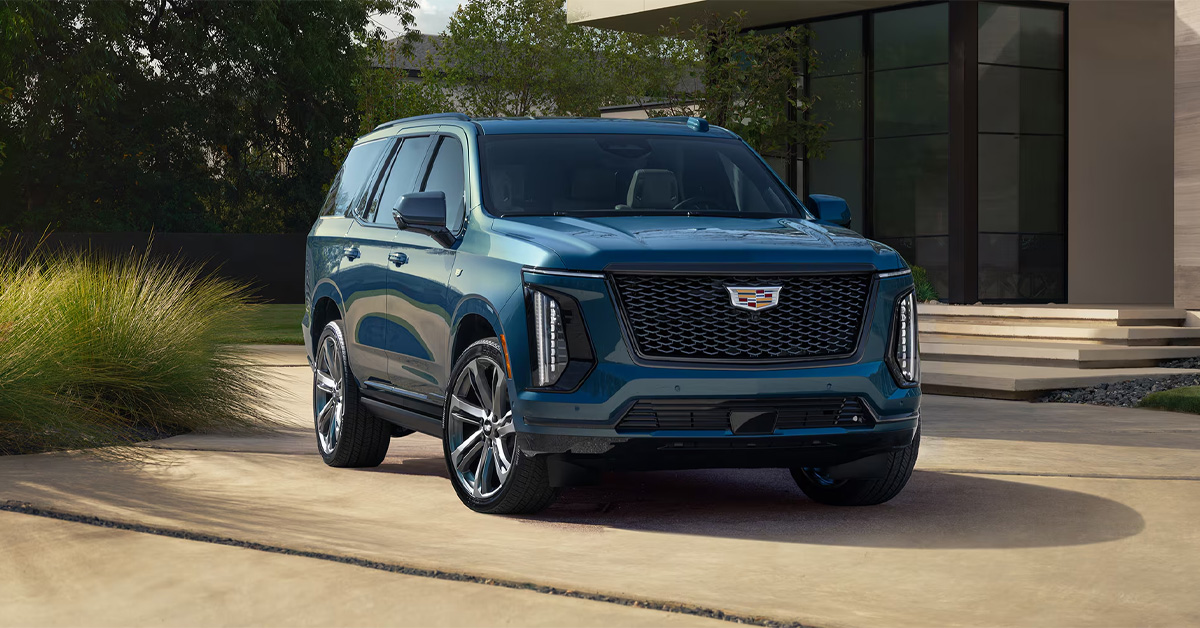
The 2026 Cadillac Escalade and Escalade ESV set a new standard for luxury, performance, and space in full-size SUVs. The standard Escalade delivers commanding presence, advanced technology, and up to 120.5 cubic feet of cargo space, while the Escalade ESV offers a longer wheelbase, extra third-row room, and maximum cargo capacity of 142.8 cubic feet, making it ideal for families or anyone needing extra space. Both models feature premium interiors, powerful V8 engines, and the latest driver-assistance technology, providing an unmatched combination of comfort, capability, and innovation.
At Crestview Cadillac, we are dedicated to helping drivers in Vincent, Irwindale, Valinda, and Walnut find the perfect Cadillac for their lifestyle. From sales and financing to service, parts, and expert advice, our team is here to make your ownership experience seamless and enjoyable. Contact us today or stop by to experience the 2026 Escalade and Escalade ESV in person and see which model fits your needs best.
What Are the Main Differences Between the 2026 Escalade and Escalade ESV?
The 2026 Cadillac Escalade vs Escalade ESV 2026 mainly comes down to size and space. The standard Escalade delivers luxury, advanced tech, and seating for up to eight, while the Escalade ESV adds a longer wheelbase for more legroom, third-row comfort, and greater cargo capacity.
Key differences at a glance:
- Length: Escalade 211.9 inches | Escalade ESV 227 inches
- Cargo space: Escalade 120.5 cu-ft | Escalade ESV 142.8 cu-ft
- Passenger comfort: ESV offers extra third-row space and roomy rear seats
Both models share Cadillac’s bold styling, powerful V8 engines, and premium features. For those needing extra room for family, gear, or road trips, the Escalade ESV is ideal. Visit Crestview Cadillac to compare both models in person and find the right fit for your needs.
How Do Performance and Towing Capabilities Compare?
Both the 2026 Escalade and Escalade ESV deliver impressive power, combining luxury with serious capability. The standard 6.2L V8 engine provides 420 horsepower and 460 lb-ft of torque, giving smooth acceleration whether you’re driving around town or cruising on the freeway.
For those seeking extra performance, an available 6.2L Supercharged V8 boosts output significantly, making either SUV a strong contender for towing and long-distance travel.
Towing Capacity and Handling
- Escalade: Can tow up to 8,100 pounds, ideal for boats, trailers, or heavy cargo.
- Cadillac Escalade ESV: Tows up to 7,000 pounds while offering an elongated design that emphasizes passenger and cargo comfort.
The Escalade ESV’s longer wheelbase not only provides extra interior room but also contributes to a smooth, stable ride at highway speeds. Adaptive suspension and available Magnetic Ride Control keep both SUVs comfortable, even when fully loaded or towing.
Real-World Driving Benefits
The added wheelbase of the Escalade ESV improves rear-seat comfort without sacrificing control, making it ideal for families traveling between Vincent, Irwindale, Valinda, and Walnut. Steering is precise, braking is confident, and the ride feels composed whether navigating city streets or open highways.
For drivers who need both luxury and performance, these SUVs deliver power and capability without compromise. Visit Crestview Cadillac to test drive both models, feel the difference in handling, and see how the Escalade ESV’s longer wheelbase enhances comfort and stability for all passengers.
How Spacious Is the Interior in Each Model?
When comparing the 2026 Cadillac Escalade, interior comfort and versatility are key strengths of both models. The standard Escalade seats up to eight passengers across three rows, offering generous legroom and headroom for front and second-row occupants. The Escalade ESV takes this a step further with its longer wheelbase, providing extra room for passengers and significantly more third-row comfort, making long trips easier for adults or taller passengers.
Passenger Comfort
- Front and second rows: Both models feature plush, power-adjustable seats with available heating, ventilation, and massage functions.
- Third row: The Escalade ESV’s longer wheelbase adds extra legroom, giving adults plenty of space and improving overall comfort for longer journeys.
Cargo and Storage
Comparing Escalade vs ESV cargo space shows why the ESV is ideal for families or anyone hauling larger loads:
- Escalade: Offers up to 120.5 cubic feet of cargo space with rear seats folded.
- Escalade ESV: Expands to 142.2 cubic feet, allowing room for luggage, sports gear, or multiple large suitcases.
This balance of passenger and cargo space makes both SUVs practical for daily drives in Vincent, Irwindale, Valinda, or Walnut, while still maintaining the luxury and technology expected from Cadillac.
For those who value spacious interiors and the flexibility to carry both passengers and cargo comfortably, visiting Crestview Cadillac to experience the Escalade and Escalade ESV in person is the best way to see the difference firsthand.
What Cargo and Storage Advantages Does the Escalade ESV Offer?
The Cadillac Escalade ESV is designed for drivers who need more than just luxury—it excels in cargo and storage flexibility. Its extended length creates additional room for both passengers and belongings, making it ideal for road trips, family outings, or transporting large items.
Third-Row Comfort and Space
One of the standout features of the Escalade ESV is its third-row space. Unlike the standard Escalade, adults can sit comfortably in the rear row without feeling cramped, thanks to extra legroom and wider seating. This makes it practical for larger families or carpooling while still maintaining premium comfort and luxury.
Cargo Capacity and Versatility
- Maximum cargo space: Up to 142.2 cubic feet when rear seats are folded.
- Flexible seating: Split-folding second and third rows allow for a mix of passenger seating and storage.
- Easy access: Power-folding seats make it simple to reconfigure the interior quickly for luggage, sports equipment, or large deliveries.
Whether you’re heading out for a weekend getaway or need to carry gear for work or recreation in Vincent, Irwindale, Valinda, or Walnut, the Escalade ESV provides practical solutions without compromising on style or comfort.
Experience the spaciousness and versatility of the Cadillac Escalade ESV in person at Crestview Cadillac, and see how its third-row space and cargo options can fit your lifestyle.
How Do Technology and Infotainment Features Differ?
When deciding which Escalade is bigger in terms of technology impact, both the standard Cadillac Escalade and Escalade ESV deliver impressive innovation, but the longer ESV enhances the experience with additional passenger-focused features. Both models include Cadillac’s signature 55-inch curved OLED Horizon Display that spans the front row, providing seamless access to navigation, entertainment, and vehicle settings.
Infotainment Highlights
- Front-row experience: Both SUVs offer wireless Apple CarPlay and Android Auto, premium AKG audio systems, and customizable driver displays.
- Rear-seat entertainment: The Escalade ESV’s extra space allows for dual 12.6-inch independent screens, letting second- and third-row passengers enjoy movies, games, or streaming while on the road.
- Connectivity: Both models feature a 5G Wi-Fi hotspot and multiple USB-C ports, keeping devices charged and connected during long drives.
Driver Assistance and Safety
- Super Cruise: Hands-free driving technology is standard in both models for compatible highways.
- Cadillac Smart System: Includes Forward Collision Alert, Automatic Emergency Braking, HD Surround Vision, Rear Park Assist, and Lane Keep Assist, ensuring confidence on every trip.
The difference in interior space between the standard Escalade and the ESV also affects technology use. With the Escalade ESV’s extra room, passengers have a more comfortable environment for enjoying entertainment, making it ideal for families or long-distance travel in Vincent, Irwindale, Valinda, or Walnut.
Visit Crestview Cadillac to experience firsthand how the Cadillac Escalade’s technology and infotainment features combine luxury with functionality for every passenger.
What Distinguishes the Exterior Design and Wheels?
The 2026 Cadillac Escalade vs Escalade ESV 2026 showcases bold styling that turns heads, whether you choose the standard Escalade or the extended ESV. Both SUVs feature Cadillac’s signature sculpted grille, striking LED headlights, and chrome accents that reflect luxury and presence on the road.
Key Exterior Differences
- Length and proportions: The Escalade ESV’s longer wheelbase creates a more commanding profile while preserving the elegant design language of the standard Escalade.
- Roof and body accents: Both models offer available gloss-black roof rails and bodyside moldings, while the ESV’s extended design emphasizes a sleek, elongated look.
- Lighting: Distinctive LED daytime running lights and vertical tail lamps enhance visibility and give both SUVs a signature Cadillac appearance.
Wheel Options
- Variety of styles: Choose from 22- or 24-inch alloy wheels with polished or dark finishes, depending on trim.
- Performance and comfort: Larger wheels are paired with advanced suspension for a smooth, stable ride, even with the added length of the Escalade ESV.
Both models combine luxury design with functional elegance. The extra length of the Escalade ESV adds visual balance and provides more room inside, while the standard Escalade maintains a bold presence in a slightly more compact form.
To see the design details and wheel options up close, visit Crestview Cadillac and compare how the Cadillac Escalade and Escalade ESV complement both style and practicality for drivers in Vincent, Irwindale, Valinda, and Walnut.
Which Trim Options Offer the Most Luxury and Comfort?
The Cadillac Escalade ESV takes luxury and comfort to the next level, and the longer wheelbase only adds to its appeal. While every Escalade offers a refined driving experience, the ESV provides extra space for passengers, especially in the second and third rows, making it ideal for families or long-distance travel.
Key Luxury Trim Highlights
- Luxury trim: Features heated and ventilated front seats, premium leather upholstery, and a dual-pane panoramic skyroof for an open, airy cabin feel.
- Sport and Platinum trims: Include enhanced seating with massage functions, precision perforated leather, and advanced climate controls for all rows.
- Platinum Sport: Adds the 38-speaker AKG Studio Reference audio system with Dolby Atmos, semi-aniline leather seats, and soft-close doors for a high-end experience.
Comfort Features Across Trims
- Extra legroom: The Escalade ESV’s longer wheelbase ensures passengers in the second and third rows have generous space to stretch.
- Flexible seating: Power-folding second and third rows allow quick reconfiguration for cargo or passenger needs.
- Advanced suspension: Air Ride Adaptive Suspension delivers a smooth, controlled ride regardless of load or road conditions.
With these options, the Cadillac Escalade ESV combines style, space, and technology to provide a luxury SUV that adapts to any lifestyle. To experience the comfort and luxury firsthand, stop by Crestview Cadillac and see how each trim elevates the driving and riding experience for those in Vincent, Irwindale, Valinda, and Walnut.
Which Model Should You Choose Based on Your Needs?
Deciding between the Cadillac Escalade and Escalade ESV often comes down to how you plan to use your SUV. Both models offer luxurious interiors, advanced technology, and powerful performance, but the choice depends on space, cargo, and lifestyle priorities.
Factors to Consider
- Passenger space: If you regularly transport a full family or frequently have passengers in the third row, the Escalade ESV provides extra room and comfort thanks to its longer wheelbase.
- Cargo flexibility: When comparing Escalade vs ESV cargo space, the ESV leads with more cubic feet behind the third row, making it ideal for luggage, sports gear, or large purchases.
- City versus highway driving: The standard Escalade is easier to maneuver in tight city streets or crowded parking areas, while the ESV shines on long trips where interior space and storage matter most.
- Luxury and features: Both models offer advanced infotainment, driver-assistance technology, and high-end trim options, so the decision may hinge on how much space and versatility you want.
Ultimately, choosing the right Cadillac Escalade comes down to balancing performance, space, and lifestyle needs. To experience both models and see how they fit your daily routine or family adventures, visit Crestview Cadillac. Our team can help you compare the Escalade and Escalade ESV up close, answer questions, and guide you toward the perfect SUV for your driving needs in Vincent, Irwindale, Valinda, and Walnut.
What Is the Difference Between the Cadillac Escalade and Escalade ESV?
The Escalade ESV has a longer wheelbase and overall length than the standard Escalade, providing more passenger and cargo space while keeping the same luxury features, engine options, and technology.
How Much More Cargo Space Does the Escalade ESV Offer?
The Escalade ESV offers up to 142.8 cubic feet of maximum cargo space, compared to the standard Escalade’s 120.5 cubic feet.
Is the Escalade ESV Worth the Extra Price?
The Escalade ESV is worth the extra price if you need more cargo capacity, extra third-row space, or greater comfort for passengers on long trips.
How Does the Third-Row Seating Compare Between Escalade and ESV?
The Escalade ESV provides more legroom and overall space in the third row, making it more comfortable for adults compared to the standard Escalade.
Are There Any Performance Differences Between the Escalade and ESV?
Both models share the same 6.2L V8 engine with 420 horsepower and similar torque, so performance is largely the same. The standard Escalade may be slightly more agile due to its shorter wheelbase, while the ESV offers a smoother ride for long-distance driving.
Learn More and Find Your Perfect Cadillac
If you’re in Vincent, Irwindale, Valinda, or Walnut and looking for the ideal full-size luxury SUV, Crestview Cadillac has a wide selection of vehicles, including the Cadillac Escalade and Cadillac Escalade ESV. Whether you need extra cargo space, advanced technology, or premium comfort, our team is here to help you find the model that fits your lifestyle.
While some electric SUVs may offer efficiency, they often lack the spaciousness and towing capability of the Escalade lineup. For example, readers interested in comparisons like the Escalade IQ vs. Model Y downsides, Escalade IQ vs. Model 3 downsides, or Escalade vs. Model S downsides can see why the Escalade’s comfort, third-row space, and performance make it a standout choice for families and long-distance travel. Stop by Crestview Cadillac today or contact us to schedule a test drive, explore our Escalade inventory, or learn more about the features and advantages of the Cadillac Escalade and Escalade ESV. Our team is ready to assist with sales, service, and parts to ensure your complete satisfaction.
Get Directions to Crestview Cadillac
Disclaimer: All information is provided for general informational and entertainment purposes only. While we strive for accuracy, we cannot guarantee that all content is complete, current, or error-free. Any reliance you place on such information is strictly at your own risk. This article may include opinions and is not endorsed by, or officially affiliated with, any vehicle manufacturer or brand. Always consult official sources – such as the vehicle’s owner’s manual, authorized dealerships, or certified professionals – for the most up-to-date and personalized information.
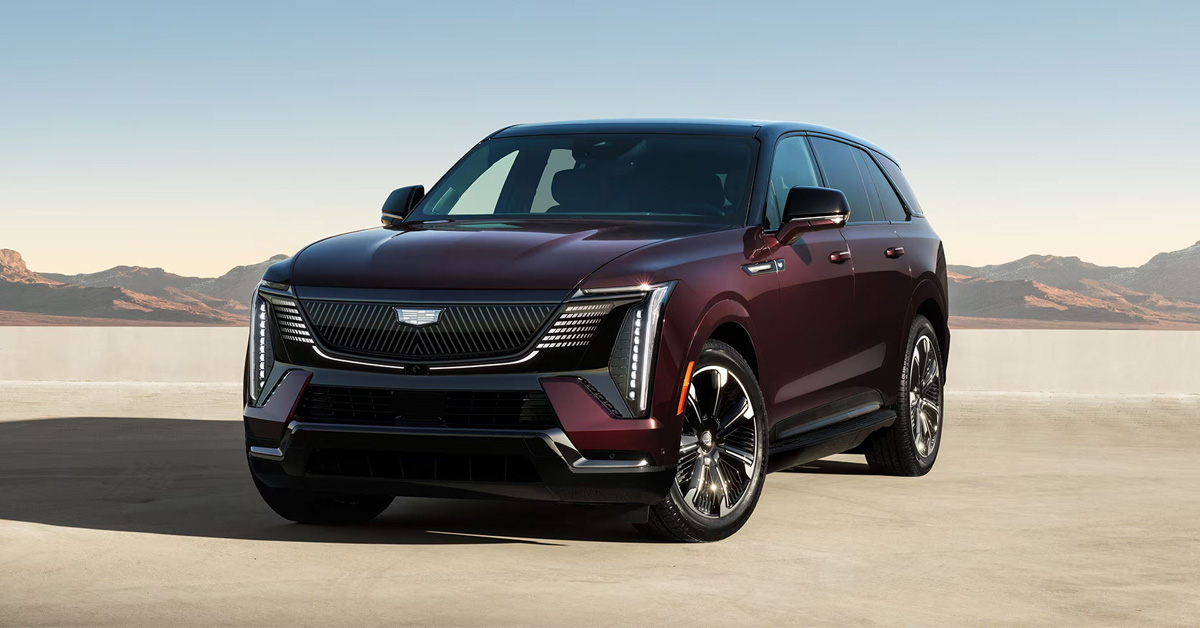
Choosing between the Cadillac Escalade and the Cadillac Escalade IQ comes down to one key decision: traditional V8 power or next-generation electric performance. The Escalade delivers proven capability, strong towing, and classic luxury, while the Escalade IQ introduces all-electric innovation with up to 465 miles of range, rapid acceleration, and advanced technology. For drivers comparing the Cadillac Escalade vs Escalade IQ 2026, the right choice depends on your lifestyle, driving habits, and whether you prioritize gas convenience or EV efficiency.
At Crestview Cadillac, we are proud to help drivers find the luxury SUV that fits their needs. Whether you are exploring the latest Escalade models, scheduling service, or searching for genuine parts, our team is here to support you every step of the way. Contact us today or visit our showroom to experience both models in person and get expert guidance tailored to you.
What Is the Difference Between the Cadillac Escalade and Escalade IQ 2026?
The choice between the Cadillac Escalade and the Cadillac Escalade IQ comes down to power and lifestyle. The Escalade is a traditional gas-powered SUV with a strong V8 engine, while the Escalade IQ is fully electric, offering quiet performance and up to 465 miles of estimated range. Both deliver premium comfort and advanced technology, but they serve different types of drivers.
Gas vs Electric: The Core Difference
At the heart of the Cadillac Escalade vs Escalade IQ 2026 comparison is how each vehicle is powered:
- Cadillac Escalade
- 6.2L V8 engine
- Strong towing capability
- Fast and convenient refueling
- Cadillac Escalade IQ
- All-electric powertrain
- Up to 465-mile range
- Home and public charging options
How They Feel on the Road
The Escalade offers a smooth, powerful, and familiar driving experience. It is ideal for long trips and drivers who want traditional SUV capability. The Escalade IQ feels more modern, with instant acceleration, quiet operation, and a new level of refinement made possible by its electric platform.
Which One Is Right for You?
- Choose the Escalade for proven performance, towing strength, and gas convenience
- Choose the Escalade IQ for innovation, efficiency, and a next-generation driving feel
To truly understand the difference, it helps to experience both in person. Visit Crestview Cadillac to compare the Cadillac Escalade and Escalade IQ side by side and find the one that fits your lifestyle.
How Do Performance and Power Compare in This Electric vs Gas Escalade Comparison?
Performance is where the difference between the Cadillac Escalade and the Cadillac Escalade IQ becomes immediately clear. Both deliver impressive capability, but they achieve it in completely different ways. One relies on a powerful V8 engine, while the other uses advanced electric motors to deliver instant response.
Traditional V8 Strength vs Instant Electric Power
The Cadillac Escalade is built around a naturally aspirated 6.2L V8 engine that produces strong, consistent power. It feels confident on the highway and remains a top choice for drivers who value towing and long-distance cruising.
The Escalade IQ takes a different approach. Its electric powertrain delivers power instantly, with no delay when you press the accelerator. That immediate response creates a smoother and quicker driving experience, especially in city traffic or when merging onto busy roads.
- Cadillac Escalade
- 6.2L V8 engine
- 420 horsepower and 460 lb-ft of torque
- Strong, steady acceleration
- Ideal for towing and highway driving
- Escalade IQ
- Up to 750 horsepower in Velocity Max
- Near-instant torque delivery
- 0 to 60 mph in about 4.7 seconds
- Smooth and quiet performance
What Are the Escalade IQ Range and Specs Compared to the Gas Escalade?
Range and efficiency play a major role when comparing the Cadillac Escalade IQ with the Cadillac Escalade. The difference is not just about numbers. It is about how each vehicle fits into your daily routine, from quick errands to long-distance travel.
Electric Range vs Gas Flexibility
The Cadillac Escalade IQ is designed to go the distance on a single charge, offering up to 465 miles of Cadillac-estimated range. For many drivers, that means several days of driving without needing to plug in.
By comparison, the gas-powered Escalade does not rely on a fixed range in the same way. You can refuel in minutes and continue your trip without planning around charging stations.
- Escalade IQ highlights
- Up to 465 miles of range
- Home charging convenience
- Public DC fast charging capability
- Escalade highlights
- Quick refueling at gas stations
- No dependency on charging infrastructure
- Ideal for spontaneous long trips
Charging vs Refueling in Real Life
Imagine starting your day with a full charge without stopping at a gas station. That is one of the biggest advantages of the Escalade IQ. Plugging in overnight can cover most daily driving needs.
On the other hand, the Escalade offers unmatched convenience for drivers who are always on the go. A quick stop for fuel gets you back on the road in minutes, which can be especially useful on longer drives.
Fast charging also helps close the gap. With DC fast charging, the Escalade IQ can add significant range in a short amount of time, making road trips more practical than ever.
How Range and Specs Affect Value
When looking at overall ownership, range, and efficiency, they often tie into the Escalade vs Escalade IQ price discussion. While the Escalade IQ typically starts at a higher price point, it may offer savings over time through reduced fuel costs and fewer maintenance needs. The Escalade, however, provides a lower starting price and familiar ownership experience that many drivers still prefer.
Choosing between them comes down to how you plan to use your SUV. If you want the convenience of charging at home and cutting-edge EV capability, the Escalade IQ is a strong fit. If you value flexibility and quick refueling for long drives, the Escalade continues to deliver.
To see how these differences feel in real life, visit Crestview Cadillac and explore both models side by side. A quick comparison in person can make your decision much clearer.
How Do Interior Features, Technology, and Space Compare?
Step inside the Cadillac Escalade and the Cadillac Escalade IQ, and you will immediately notice that both deliver a high level of luxury. The difference is in how that luxury is presented. One leans into a refined, familiar layout, while the other introduces a more open and futuristic feel made possible by its electric platform.
Shared Technology That Defines the Experience
No matter which model you choose, Cadillac places a strong focus on innovation and connectivity.
- Curved 55-inch Horizon Display stretching across the front row
- Super Cruise hands-free driving technology
- Google built-in apps, navigation, and voice controls
- Available premium AKG audio systems
These features create a seamless driving experience, whether you are commuting locally or heading out for a weekend trip.
Space and Comfort for Every Row
Both SUVs offer three rows of seating, but the layout and feel are slightly different.
- Cadillac Escalade
- Available seating for up to eight passengers
- Spacious second row with available executive seating
- Up to 120.5 cubic feet of cargo space
- Traditional cabin layout with a solid, upscale feel
- Escalade IQ
- Seating for up to seven passengers
- Flat floor design for improved legroom
- eTrunk adds extra front storage
- Up to 131.3 cubic feet of cargo space
The Escalade feels like a luxury lounge with defined spaces, while the Escalade IQ feels more open and flexible.
How Much Is the Escalade vs Escalade IQ Price in 2026?
Price is often a deciding factor when comparing a traditional SUV with its electric counterpart. The Cadillac Escalade vs Escalade IQ 2026 comparison shows that while both deliver luxury and performance, the upfront cost and long-term considerations differ.
Starting Prices and Trim Levels
The gas-powered Cadillac Escalade begins at a lower starting price, making it more accessible for buyers looking for traditional luxury SUV performance. Higher trims add advanced features, premium finishes, and optional packages, but the entry point remains competitive.
The Cadillac Escalade IQ starts at a higher base price, reflecting its electric architecture, advanced battery technology, and premium EV features. Despite the higher initial cost, it offers potential long-term savings through lower fuel and maintenance costs.
- Cadillac Escalade
- Starting price around $91,100
- Multiple trims, including Luxury, Sport, Platinum, and V-Series
- Options add technology, luxury, and performance upgrades
- Escalade IQ
- Starting price around $127,405
- Trim options include Luxury, Sport, and Premium configurations
- Advanced EV technology, extended range, and premium features included
Long-Term Value Considerations
While the Escalade IQ requires a larger initial investment, many drivers find value in reduced fuel costs, fewer oil changes, and lower long-term maintenance. The electric SUV also qualifies for certain incentives, which can help offset the higher purchase price.
The traditional Escalade offers familiar ownership costs, with quick refueling and a well-established service network. Its lower starting price and proven durability appeal to drivers who prioritize immediate affordability and long-term reliability.
Balancing Budget and Lifestyle
When weighing the electric vs gas Escalade comparison, consider not just the sticker price but how each SUV fits your lifestyle. If you spend most of your driving in the city or want to embrace electric vehicle benefits, the Escalade IQ may be the right choice. If you frequently tow, travel long distances, or prefer a lower entry cost, the gas Escalade remains a strong option.
Visit Crestview Cadillac to explore pricing, compare trims, and find the right Escalade or Escalade IQ for your needs. Our team can provide personalized guidance to make the decision simple and confident.
Where Can You Compare the Escalade vs Escalade IQ Near You?
Experiencing the Cadillac Escalade and Escalade IQ in person is the best way to understand their differences. Seeing the interior space, testing the driving feel, and exploring the Escalade IQ range and specs firsthand can make your decision much easier.
Test Driving and Viewing Options
When you visit a local dealership, you can:
- Sit behind the wheel of both the gas and electric Escalade
- Explore seating configurations and cargo space
- Experience advanced technology features like the 55-inch Horizon Display and Super Cruise
- Compare handling, ride comfort, and acceleration side by side
Test driving allows you to feel the difference between a traditional V8 engine and the instant torque of the electric motors in the Escalade IQ, giving you a clear sense of which SUV matches your driving style.
Finding a Dealership Near You
For drivers in the Vincent, Irwindale, Valinda, and Walnut areas, Crestview Cadillac offers a full lineup of both Cadillac Escalade and Escalade IQ models. Our knowledgeable team can answer questions, provide guidance on the Escalade IQ range and specs, and help you compare trims and options efficiently.
Maximizing Your Visit
- Schedule a test drive in advance to ensure availability
- Ask about specific features, including cargo solutions, tech packages, and driver assistance options
- Review pricing and trim options to see how each SUV fits your lifestyle and budget
Seeing the vehicles in person is the most effective way to weigh the Cadillac Escalade vs Escalade IQ 2026. Stop by Crestview Cadillac to experience both SUVs, explore their capabilities, and get personalized recommendations from our team.
How Does the Cadillac Escalade IQ Differ from the Standard Escalade?
The Escalade IQ is an all-electric SUV built on a dedicated EV platform, while the standard Cadillac Escalade uses a traditional 6.2L V8 gasoline engine. The Escalade IQ offers a smoother, quieter ride, unique storage options like the eTrunk, and design elements optimized for aerodynamics, whereas the gas Escalade focuses on towing capacity and conventional SUV performance.
What Is the Electric Range of the Escalade IQ?
The Cadillac Escalade IQ has an estimated electric range of 465 miles.
How Do Operating Costs Compare Between Escalade and Escalade IQ?
Operating costs for the Escalade IQ are generally lower due to reduced fuel expenses, fewer oil changes, and less frequent maintenance. The gas-powered Escalade has higher fuel costs and more routine maintenance requirements, but has a lower initial purchase price.
What Charging Options Are Available for the Escalade IQ?
The Escalade IQ supports multiple charging options:
- 350 kW public DC fast charging (up to 117 miles of range in about 10 minutes)
- Level 2 AC charging at 11.5 kW (up to 22 miles of range per hour)
- Level 2 AC charging at 19.2 kW on Premium trims (up to 36 miles of range per hour)
Is the Escalade IQ Faster Than the Gas Escalade?
Yes, the Escalade IQ can be faster in acceleration. It delivers up to 750 horsepower in Velocity Max mode with instant electric torque, while the gas Escalade produces 420 horsepower. This gives the Escalade IQ quicker 0–60 times under typical conditions.
Explore the Cadillac Escalade and Escalade IQ at Crestview Cadillac
For drivers in Vincent, Irwindale, Valinda, and Walnut, Crestview Cadillac offers a wide selection of vehicles, including the full Cadillac Escalade lineup and the all-electric Escalade IQ. Whether you’re drawn to the commanding presence and performance of the gas-powered Escalade or the cutting-edge technology and long-range capabilities of the Escalade IQ, our team is here to help you find the perfect fit for your driving needs.
Many luxury EVs, like some Tesla models, come with compromises in range, interior space, or towing capability that the Escalade IQ avoids. If you’re curious how other options compare, see our guides on the Escalade iQ vs. Model Y, Escalade IQ vs. Model 3, or Escalade vs. Model S to understand why the Escalade lineup offers more versatility and comfort. Contact us today or stop by Crestview Cadillac to experience the Escalade and Escalade IQ firsthand. Our sales, service, and parts teams are ready to assist with every step of your vehicle journey, helping you make an informed choice and enjoy the luxury, performance, and advanced technology only Cadillac can offer.
Get Directions to Crestview Cadillac
Disclaimer: All information is provided for general informational and entertainment purposes only. While we strive for accuracy, we cannot guarantee that all content is complete, current, or error-free. Any reliance you place on such information is strictly at your own risk. This article may include opinions and is not endorsed by, or officially affiliated with, any vehicle manufacturer or brand. Always consult official sources – such as the vehicle’s owner’s manual, authorized dealerships, or certified professionals – for the most up-to-date and personalized information.
Connect with us


- July 2026
- May 2026
- April 2026
- March 2026
- February 2026
- January 2026
- December 2025
- November 2025
- October 2025
- September 2025
- August 2025
- July 2025
- June 2025
- May 2025
- April 2025
- March 2025
- February 2025
- November 2024
- October 2024
- September 2024
- August 2024
- July 2024
- June 2024
- May 2024
- April 2024
- March 2024
- February 2024
- January 2024
- December 2023
- November 2023
- October 2023
Archives
Categories